
A Baroque Sanctuary of Light and Devotion
In the beating heart of Rome, where the ancient cobblestones meet the vibrant energy of the modern city, stands the Chiesa di Santa Maria in Vallicella . Affectionly known to locals as La Vallicella , this architectural jewel is far more than a mere place of worship; it is a profound sensory experience that captures the very essence of the Counter-Reformation. Founded in 1577 by the charismatic St. Philip Neri, the church was conceived as a spiritual home for the Oratorian confraternity, a movement dedicated to elevating the human soul through beauty and communal prayer. As one steps across its threshold, the outside world fades, replaced by an atmosphere of ethereal grandeur where light and shadow perform a sacred dance across gilded surfaces.
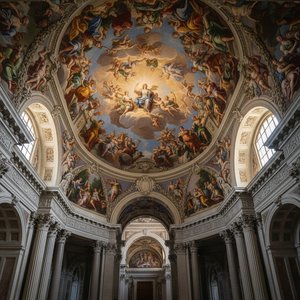
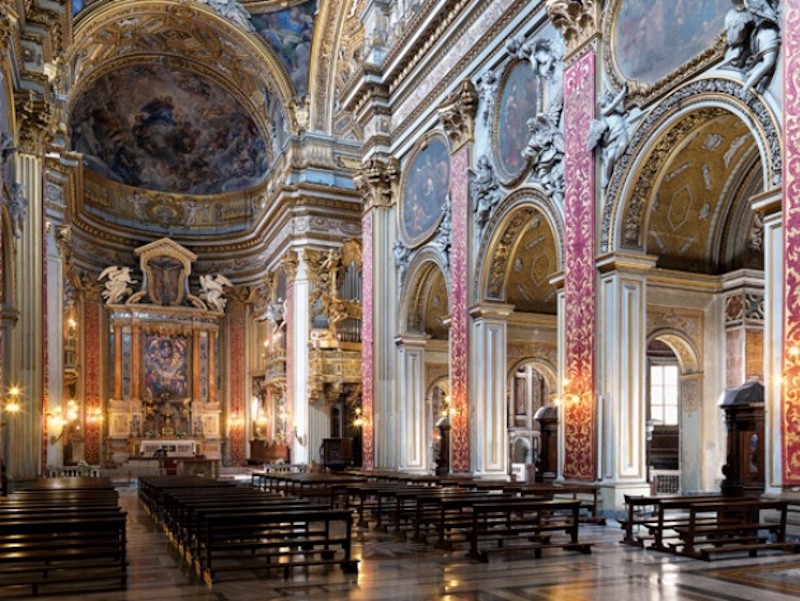
The architecture itself tells a story of transition and triumph. The façade, a masterful collaboration between Martino Longhi the Elder and Giuseppe Fontana, presents a harmonious blend of classical restraint and Baroque dynamism. Upon entering the nave, the eye is immediately drawn upward toward soaring ceilings that seem to dissolve into the heavens. This sense of infinite space is achieved through intricate stucco work and the strategic use of light filtering through stained glass, creating an environment where the boundaries between the earthly and the divine feel beautifully blurred. It is a space designed not just to be seen, and certainly not just to be studied, but to be felt deeply within the spirit.
Masterpieces of the Baroque Soul
The true splendor of La Vallicella lies in its extraordinary collection of artworks, which serves as a breathtaking gallery of Europe’s most formidable masters. The walls are adorned with monumental frescoes by Pietro da Cortona , particularly within the Cappella Vitale. These works are triumphs of perspective and color, depicting scenes from the life of the Virgin Mary with such dramatic intensity that they appear to breathe. Cortona’s ability to manipulate light and movement transforms the chapel into a theatrical stage of divine narrative, where every brushstroke serves a theological purpose, conveying grace through sheer visual splendor.
For the discerning collector and lover of fine art, the presence of Sir Peter Paul Rubens within these walls is nothing short of miraculous. The church houses monumental canvases that showcase Rubens’ unparalleled mastery of the human form and emotional depth. His Madonna della Vallicella and the Vision of Ezekiel immerse the viewer in a world of rich textures and luminous palettes, utilizing chiaroscuro to evoke a profound psychological resonance. Furthermore, his Equestrian Portrait of Giancarlo Doria stands as a testament to his ability to capture regal dignity with a fluidity that transcends the rigid portraiture of previous eras. To stand before these works is to witness the pinnacle of Baroque brilliance, where every pigment and shadow contributes to a larger, more profound human story.
A Living Legacy of Art and Faith
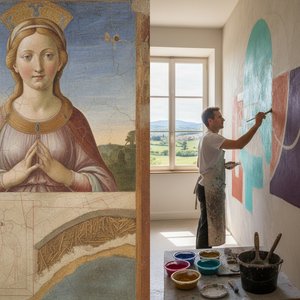
What truly distinguishes La Vallicella from other Roman monuments is its status as a living, breathing ecosystem of culture. It is not a static museum frozen in time, but a site where history, theology, and artistic genius continue to converge. The legacy of the Oratory movement—a commitment to moral reform through beauty—remains palpable in every corner of the structure. Recent preservation efforts and meticulous restorations have ensured that the vibrant colors of the frescoes and the delicate details of the stucco work remain as vivid today as they were in the seventeenth century, allowing modern scholars and art enthusiasts to engage with the past in its most authentic form.
For interior designers and those with an eye for classical elegance, the church offers an inexhaustible source of inspiration. The interplay of heavy textures, dramatic lighting, and the sophisticated use of gold and marble provides a blueprint for creating spaces that evoke both luxury and tranquility. La Vallicella remains a singular destination—a place where the weight of history meets the lightness of divine inspiration, inviting every visitor to contemplate the sublime power of creative expression.