A Journey Through Faith and History: The Diocesan Museum Francesco Gonzaga in Mantua
Nestled within the remarkably preserved complex of the former Church of San Francesco in Mantua, Italy, lies a treasure trove of sacred art and a poignant reflection on centuries of Gonzaga family patronage. More than just a museum, this Diocesan Museum offers an immersive experience—a tangible connection to the spiritual heart of the region and the powerful legacy of its rulers. Originally an Augustinian monastery, the building itself is a captivating narrative in stone, showcasing layers of architectural evolution from Romanesque foundations through Renaissance embellishments. The very walls whisper tales of monastic life, royal devotion, and the enduring beauty of Italian artistry.
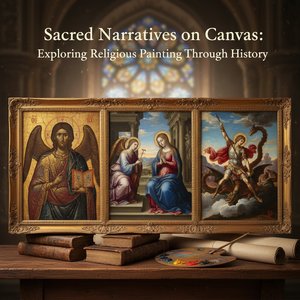
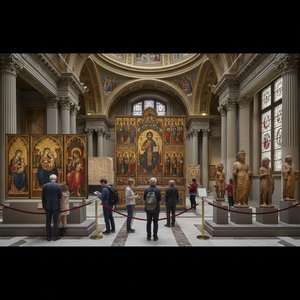
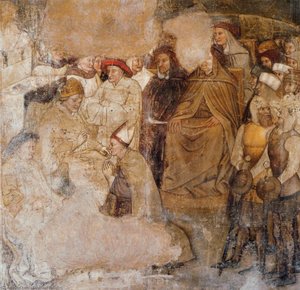
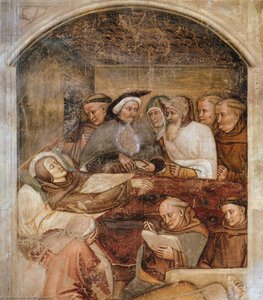
The museum’s core collection centers around its impressive assemblage of religious artworks spanning several centuries. Visitors are immediately drawn to paintings depicting scenes from the lives of saints and biblical narratives, rendered in a variety of styles—from the early Gothic influences evident in some pieces to the refined elegance characteristic of later Renaissance masters. Sculptures, often crafted from marble or bronze, add another dimension to this devotional landscape, offering intimate portrayals of religious figures and symbols. Beyond paintings and sculpture, the museum’s holdings include a fascinating array of liturgical objects: intricately carved altarpieces, richly embroidered vestments that once adorned priests during Mass, and relics—fragments of saints' remains—that served as focal points for prayer and pilgrimage. These tangible artifacts provide invaluable insights into the practices and traditions of the Catholic Church in Mantua throughout its history.
The Gonzaga Legacy: Patrons of Art and Faith
At the heart of the museum’s narrative lies the profound influence of the Gonzaga family, who reigned over Mantua for centuries. More than mere rulers, they were ardent patrons of the arts and deeply committed to the Church, shaping the cultural landscape of the region with their lavish support. The museum meticulously traces this connection through a carefully curated selection of artifacts—from exquisite tapestries depicting scenes from the lives of St. Francis and St. Anthony to elaborate furnishings that adorned their magnificent palaces. Examining these objects reveals not only the Gonzaga’s artistic tastes but also their deep-seated faith, reflected in their commissioning of works intended to inspire piety and reinforce their authority as both spiritual leaders and powerful patrons.
The museum doesn't simply display artifacts; it illuminates the context surrounding their creation. Detailed explanations accompany each piece, exploring the historical events, artistic techniques, and theological themes that informed its production. The Gonzaga’s patronage wasn’t merely about acquiring beautiful objects; it was a deliberate strategy to elevate Mantua’s status as a center of culture and faith, solidifying their dynasty's power and prestige. The collection offers a unique window into the complex interplay between political ambition, religious devotion, and artistic innovation during this pivotal period in Italian history.
Architectural Echoes: From Monastery to Museum
The museum’s location within the former Church of San Francesco is itself a remarkable testament to architectural evolution. The original structure, built as an Augustinian monastery, retains much of its medieval character—robust Romanesque arches, simple yet elegant proportions, and a palpable sense of history. Over time, successive rulers added their own embellishments, transforming the building into a magnificent complex that seamlessly blends different stylistic influences. The upper church, with its soaring ceilings and intricate frescoes, showcases elements of Gothic architecture, while later additions reflect Renaissance design principles.
The museum’s layout mirrors this architectural journey, guiding visitors through a sequence of spaces that reveal the building's layered history. The original monastic cells have been carefully preserved, offering glimpses into the daily lives of the monks who once resided within these walls. The grand nave of the former church now houses the museum’s collection, while smaller chapels and side rooms display devotional objects and illuminated manuscripts. Exploring this architectural tapestry provides a deeper appreciation for the building's significance as both a religious sanctuary and a cultural landmark.
A Unique Blend: Art, Faith, and Historical Context
What truly distinguishes the Diocesan Museum Francesco Gonzaga is its ability to seamlessly blend artistic appreciation with a profound understanding of religious history and practice. It’s not merely an art museum; it's a repository of faith—a place where visitors can engage with sacred art in a meaningful way, gaining insights into the beliefs, rituals, and values that shaped medieval and Renaissance Italy. The museum’s curators have skillfully contextualized each artwork within its historical and religious context, providing visitors with a rich and nuanced understanding of the objects they are viewing.
Furthermore, the museum's location within Mantua—a city renowned for its cultural heritage and its role in the development of opera—adds another layer of significance to the experience. The Gonzaga legacy continues to resonate throughout the city, shaping its identity and contributing to its vibrant artistic scene. A visit to the Diocesan Museum Francesco Gonzaga is therefore an opportunity not only to admire exceptional works of art but also to delve into the fascinating history of a region that has long been at the forefront of Italian culture.