

A Sanctuary of Spirit and Stone
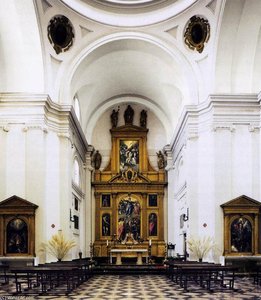
In the labyrinthine heart of Toledo, Spain, where the shadows of ancient civilizations dance upon weathered stone arches, lies the Church of Santo Domingo el Antiguo . To enter this sacred space is to step beyond the veil of the modern world and into a profound architectural palimpsest. Originally established as a mosque during the Moorish reign, the site evolved through centuries of religious transformation, eventually becoming a significant Dominican convent in 1364. The very walls whisper tales of royal patronage and enduring devotion, offering a rare glimpse into the "City of Three Cultures" where Christian, Jewish, and Islamic legacies intertwine.
The architecture itself serves as a monumental vessel for history. Its Gothic foundations and Renaissance expansions provide a dramatic stage for the spiritual atmosphere that permeates the air. For those who appreciate the weight of history, the building offers a sense of timelessness, where the heavy textures of stone and the ethereal glow of light work in harmony to evoke a sense of profound contemplation.
The Legacy of El Greco
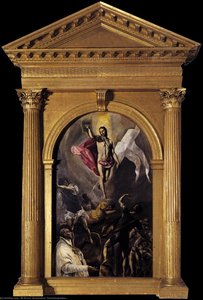
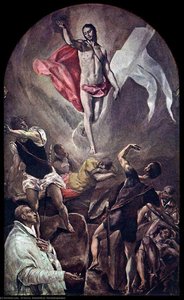
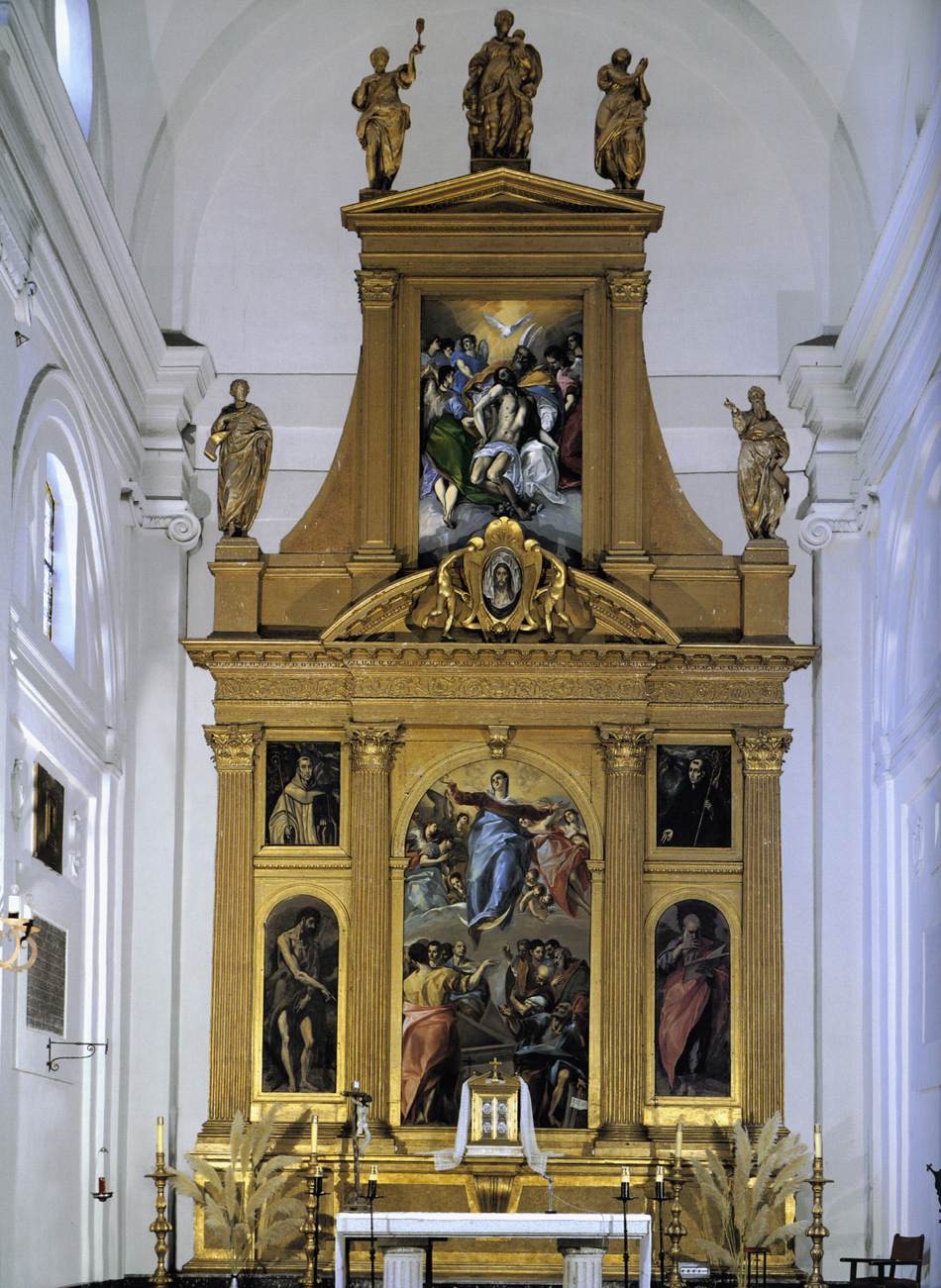
The soul of this sacred site resides in its unparalleled connection to the master El Greco . It was here, between 1577 and 1579, that the Greek painter began his legendary thirty-seven-year journey in Toledo. The centerpiece of the church's historical identity is the Santo Domingo Altarpiece , a monumental commission that marked the artist's first major triumph in Spain. While time and history have dispersed several of these precious panels to esteemed institutions like the Prado Museum, the remaining fragments offer an intimate encounter with El Greco’s formative vision.
Visitors can still sense the breathtaking intensity of his Mannerist principles through the surviving works, characterized by:
- Dramatic use of light that illuminates the divine.
- Celestial movement of figures that defies earthly gravity.
- Chromatic brilliance that captures the very essence of grace.
To view his depictions of the saints within the very monastic setting for which they were originally conceived is a transformative experience. The atmosphere of serenity inherent in the former convent elevates the appreciation of the art, turning a simple viewing into a spiritual pilgrimage. For lovers of classical beauty and interior inspiration, the church stands as an enduring testament to an era where history, architecture, and art are so inextricably linked that they breathe as one single, magnificent entity.