
A Sanctuary of Medieval Splendor
Nestled within the hallowed grandeur of Rome’s Archbasilica, the Cloister of San Giovanni Laterano stands as a profound testament to artistic devotion and architectural ingenuity. It is a place where the frantic pulse of the Eternal City fades into a rhythmic silence, allowing time to slow and beauty to unfold in serene contemplation. Constructed during the 13th century, this cloister is far more than a mere monastic enclosure; it is a living chronicle of Roman medieval art and faith. To wander through its shaded walkways is to step into a sanctuary where every stone and mosaic serves as a bridge between the earthly and the divine, offering a rare moment of stillness for the modern soul.
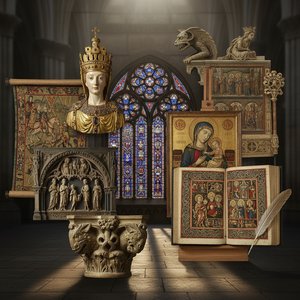
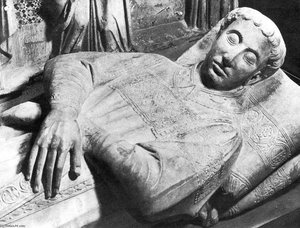
The true treasures of this sacred space reside within its breathtaking mosaics, which illuminate the spiritual landscape of a bygone era. These shimmering tesserae, meticulously placed to catch the shifting Roman light, depict profound biblical narratives ranging from the foundational stories of Genesis to the transformative journeys of Exodus. The artistry is matched by the exquisite sculptures crafted in alabaster and marble, portraying saints and figures that embody the highest Christian virtues. For the art lover or collector, these works represent a pinnacle of medieval craftsmanship, where technique and theology are inextricably entwined, creating a visual language of light and shadow that continues to captivate the eye centuries later.
Architectural Harmony and Sacred Design
Architecturally, the cloister embodies the quintessential principles of medieval monastic design, striking a perfect balance between structural strength and aesthetic grace. At its heart lies a verdant central garth, a lush garden bathed in sunlight that serves as the lungs of the complex. This peaceful core is encircled by a covered walkway supported by soaring arches constructed from ancient Roman brick. The columns, adorned with ornate capitals, contribute to a sense of visual harmony and rhythmic movement. Every corner of the architecture invites reflection, with intricate carvings on the walls providing narrative-driven details that whisper stories of saints and biblical events to those who linger long enough to listen.
The historical significance of the Cloister is inseparable from the Archbasilica itself—the oldest cathedral in Rome and a symbol of supreme papal authority. Built during the transformative reign of Pope Innocent III, the site reflects the intense fervor for piety and artistic patronage that defined the era. Throughout its long existence, the Cloister has been a stage for significant cultural moments, hosting notable exhibitions that have brought masterpieces of European medieval art to the forefront of scholarly and public discourse. These displays have often focused on the evolution of sculptural representation and the evocative power of religious mosaics, cementing the site's reputation as a vital center for art historical study.
What truly distinguishes the Cloister of San Giovanni Laterano from the more crowded landmarks of Rome is its capacity for immersive engagement. It offers an intimate encounter with history, free from the overwhelming bustle of the city's main squares. For interior designers and enthusiasts of classical beauty, the cloister provides a masterclass in how sacred space can be used to foster tranquility and awe. It remains a rare opportunity to touch the tangible connection to a bygone era, where the fusion of papal history, spiritual heritage, and unparalleled medieval artistry creates an experience that is as much a pilgrimage for the heart as it is a journey for the eyes.