
A Symphony of Light and Canvas in Puerto Madero
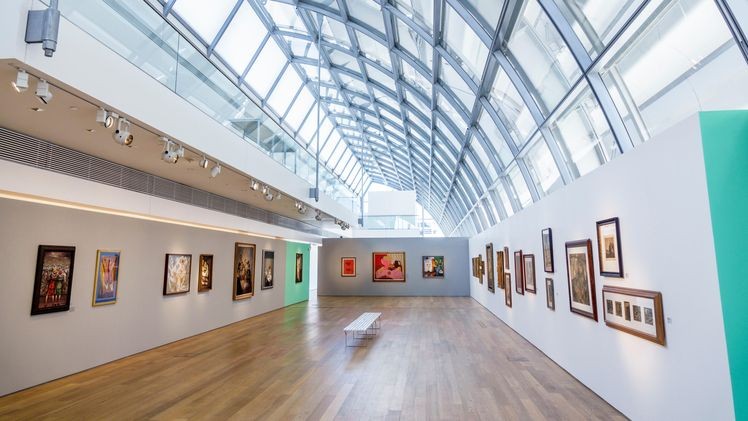
In the heart of Buenos Aires, where the modern pulse of Puerto Madero meets the tranquil expanse of the Río de la Plata, stands a sanctuary of profound aesthetic beauty: the Colección de Arte Amalia Lacroze de Fortabat . This is not merely a repository for masterpieces, but a carefully orchestrated dialogue between continents and eras. The architecture itself, a breathtaking masterpiece by Rafael Viñoly , serves as a silent protagonist in the visitor's journey. Constructed from a sophisticated interplay of concrete, steel, and glass, the structure invites the outside world in, flooding the galleries with natural light that dances across the surfaces of legendary canvases. The museum’s innovative roof, featuring mobile aluminum awnings, embodies the very soul of its founder, reflecting her poetic desire to gaze upon fine art and the stars simultaneously. For the discerning collector or interior designer, the space offers a masterclass in how architectural transparency can elevate the emotional resonance of a painting.
A Curated Tapestry of Global and Local Identities
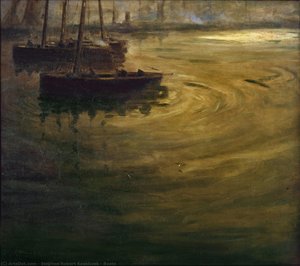
The collection is a curated tapestry that weaves together the grandeur of European traditions with the vibrant, soulful identity of Argentine art. To walk through these halls is to experience a seamless transition from the surrealist dreams of Salvador Dalí and the lyrical abstractions of Marc Chagall to the profound sculptural presence of Auguste Rodin . The museum avoids the dry rigidity of chronological timelines, opting instead to highlight the interconnectedness of global movements. One might find themselves contemplating the intricate compositions of Pieter Brueghel II before being swept into the bold, transformative energy of 20th-century icons like Andy Warhol and Roberto Matta . This deliberate blending of styles creates a rich, layered atmosphere where the historical weight of the Old World meets the experimental spirit of the New.
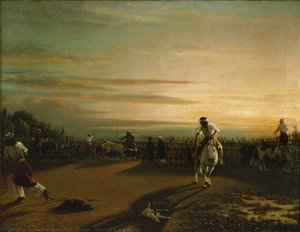
Yet, the true heartbeat of the collection lies in its unwavering dedication to the Argentine spirit. The museum provides an unparalleled stage for the masters who shaped the nation's visual language, offering a deep dive into landscapes that capture the vastness of the Pampas and urban scenes that pulse with local life. Visitors can trace the evolution of Argentine identity through the evocative works of:
- Fernando Fader , whose atmospheric mastery captures the essence of light;
- Martín Malharro , a pioneer of local landscape;
- Benito Quinquela Martín , who brings a rugged, industrial beauty to the collection;
- Xul Solar and Berni , representing the experimental and transformative power of Argentine modernism.
Beyond the galleries, the experience is one of holistic sensory immersion. The museum serves as a cultural oasis where one can retreat from the city's bustle to find quiet reflection. After wandering through rotating exhibitions that frequently challenge contemporary perspectives, visitors often find themselves lingering at Café Croque Madame , where the beauty of the art continues to resonate over conversation and refreshment. It stands as a testament to the vision of Amalia Lacroze de Fortabat—a legacy of philanthropy that ensures art remains a living, breathing connection between humanity and the infinite.