
A Renaissance Heartbeat: The Soul of Perugia
Nestled within the majestic Palazzo dei Priori in Perugia, Italy, lies a treasure trove of Renaissance artistry and historical significance – the Collegio del Cambio . More than simply a hall for financial exchange, this site serves as a portal to 15th-century Umbria, offering an immersive experience into a world defined by merchants, humanism, and artistic innovation. Built between 1452 and 1457, the building stands as a testament to Perugia’s prosperity during the Renaissance, its very stones echoing with the ambitions and cultural fervor of the era. The Collegio was meticulously designed to impress upon visitors the power and sophistication of the city’s ruling class, acting as a symbol of both civic pride and intellectual pursuit.
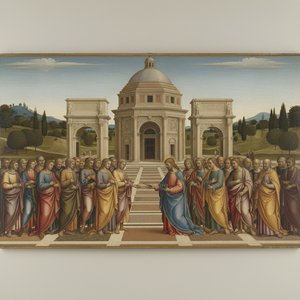
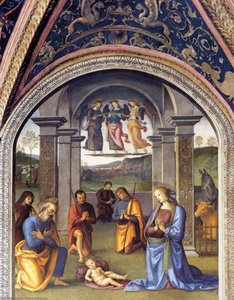
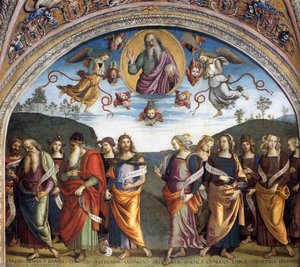
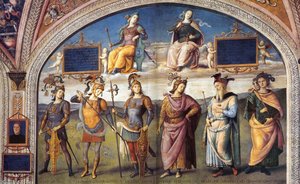
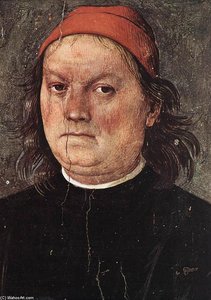
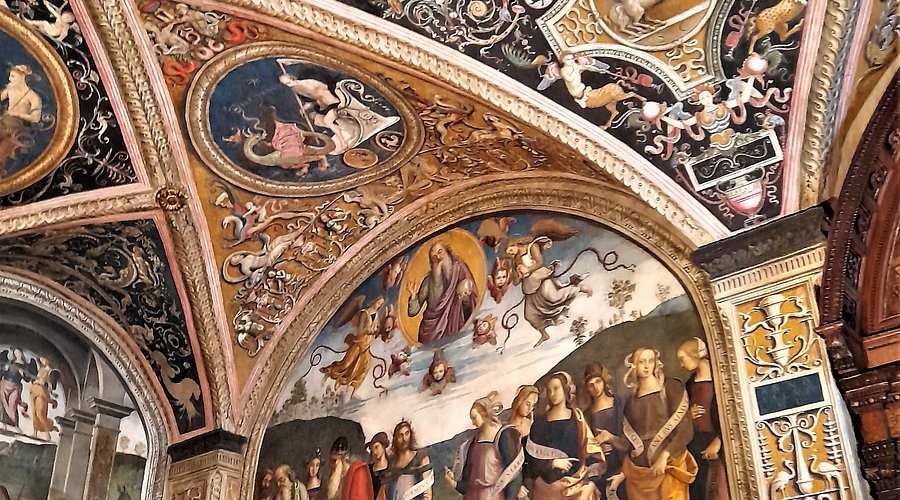
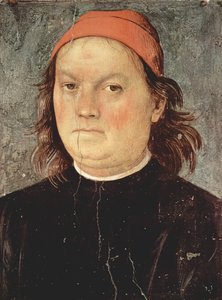
The true splendor of this site is found within the Sala dell’Udienza – the Hall of Audience – where the master Pietro Vannucci, known as Perugino , breathed life into the walls between 1496 and 1500. His breathtaking cycle of frescoes remains one of the most captivating achievements of the Umbrian Renaissance. In his celebrated series, Famous Men of Antiquity , Perugino does not merely paint portraits; he creates embodiments of humanist ideals, celebrating intellectual achievement, civic virtue, and artistic excellence. Through a masterful use of perspective and a delicate rendering of drapery, these figures emerge from the plaster with a serene beauty that invites profound contemplation.
Artistic Mastery and Architectural Grandeur
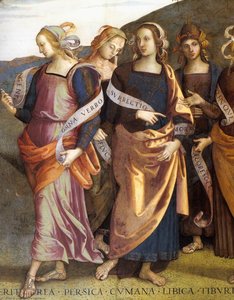
The influence of Florentine masters like Botticelli and Leonardo da Vinci is palpable within these walls, yet Perugino infuses the work with a uniquely Umbrian grace and clarity. Beyond the celebrated figures of antiquity, the hall is enriched by layers of symbolic meaning found in his depictions of prophets and sibyls. These works weave together theological depth and classical wisdom, creating an atmosphere where the sacred and the secular meet in perfect harmony. The artistry even hints at the presence of the young Raphael, who likely contributed to the figure of Strength and the face of Solomon.
This artistic mastery is framed by architecture that is itself a masterpiece of Renaissance design. The hall presents a symphony in wood and stone, featuring:
- Intricate woodwork that lends a sense of warmth and texture to the space.
- A magnificently carved wooden ceiling that draws the eye upward, instilling a sense of grandeur and spaciousness.
- Ornate capitals and delicate window tracery that showcase the unparalleled skill of Renaissance craftsmen.
As one of the best-preserved examples of a medieval exchange guild hall, the Collegio del Cambio offers invaluable insights into the economic and social life of 15th-century Perugia. For the art lover, the collector, or the designer seeking inspiration, it stands as a living legacy—a place where the preservation of cultural heritage meets the enduring beauty of human creativity. It remains a destination where history is not merely studied but felt, inviting all who enter to witness the eternal pulse of the Renaissance.