A Journey Through Bolognese Artistic Heritage: Exploring Palazzo d’Accursio’s Treasures
Palazzo d’Accursio, nestled in the vibrant heart of Bologna, Italy, isn't merely a museum; it’s a portal into centuries of artistic evolution—a testament to the enduring spirit of Bolognese creativity. Founded as a noble residence in the 13th century for the Accursii family and subsequently serving as Bologna’s municipal government seat, this palazzo now houses a remarkable collection of art spanning from the Medieval period through the Romantic era, offering visitors an unparalleled opportunity to immerse themselves in Italian artistic history.
-
Paintings: Renaissance Echoes & Baroque Grandeur
-
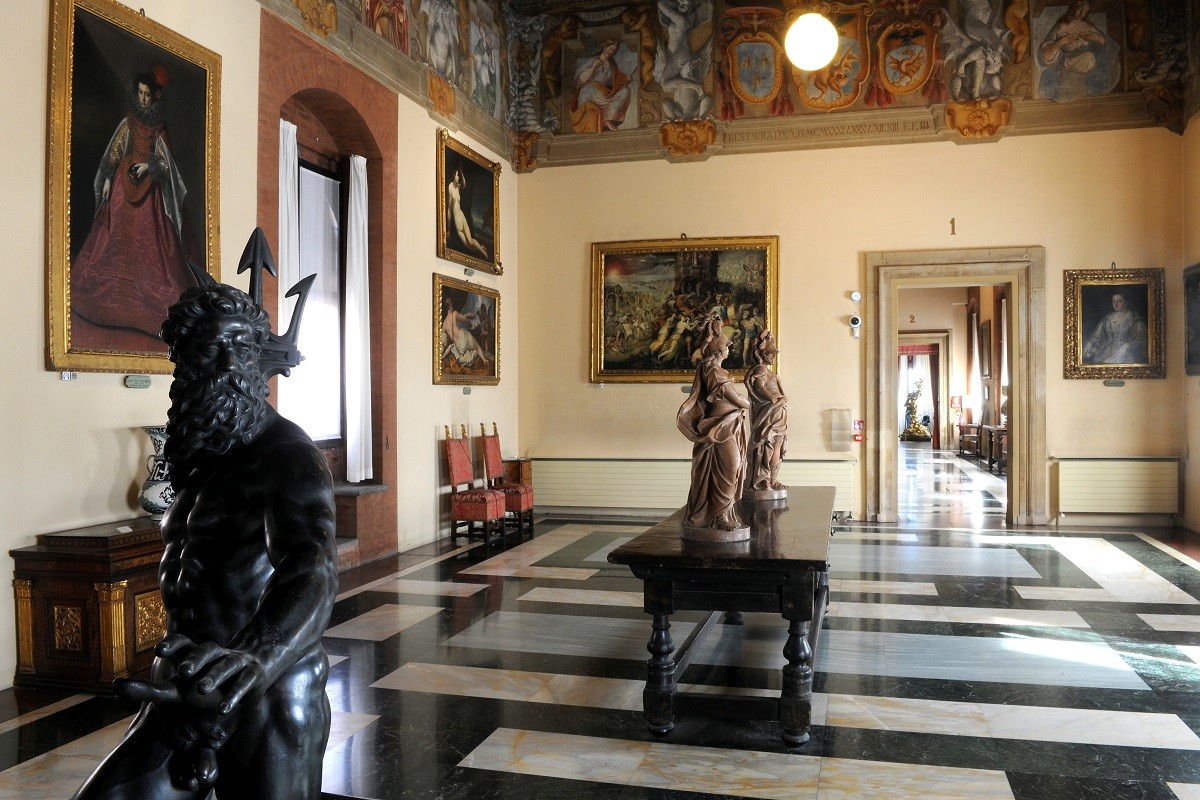
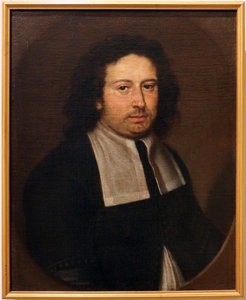
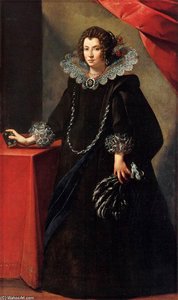
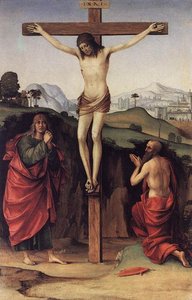
The Collezioni Comunali’s paintings represent a cornerstone of Bolognese art, showcasing masterpieces from both the Renaissance and Baroque movements. Admire works by artists like Francesco Francia and Carlo Francesco Nuvolone, whose canvases capture the humanist ideals of the Renaissance alongside the dramatic flair characteristic of Baroque artistry. Their meticulous detail and masterful use of color illuminate the artistic sensibilities of their time.
-
Sculptures: Skillful Hands & Diverse Materials
-
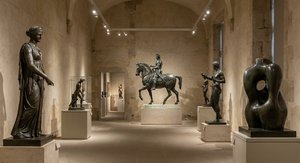
Beyond paintings, the museum’s sculpture collection reveals the exceptional craftsmanship of Bolognese sculptors across generations. Crafted from marble, bronze, terracotta and alabaster, these sculptures exemplify artistic innovation and technical prowess. Observe pieces reflecting stylistic influences ranging from Gothic to Mannerism, demonstrating the breadth of sculptural expression.
-
Furniture: Domestic Life Reflected
-
Step back in time as you explore a captivating assemblage of historic furniture—a tangible connection to the daily lives and decorative tastes of Bolognese households throughout history. These pieces offer insights into social customs, artistic trends, and the evolution of interior design during specific periods.
The Palazzo’s Architectural Legacy: A Medieval Marvel
Palazzo d’Accursio itself stands as a magnificent exemplar of medieval Bolognese architecture. Originally conceived for the Accursii family—powerful bankers and influential figures in Bologna’s political landscape—the palazzo underwent significant transformations over time, adapting to its role as the city's administrative center. Its imposing façade, adorned with intricate carvings and embellished with decorative elements, commands attention and transports visitors back to the 13th century. The interior spaces are equally impressive, featuring soaring ceilings, opulent frescoes, and richly ornamented walls—a breathtaking backdrop for appreciating the museum’s artistic treasures.
A Singular Perspective: Bolognese Artistic Identity
What distinguishes Palazzo d’Accursio from other museums is its unwavering focus on Bolognese artistic heritage. Unlike institutions prioritizing international collections, this museum delves deeply into the creative output of Bologna and its surrounding region—a deliberate choice that underscores the importance of regional artistic traditions. The museum's curators have painstakingly researched and documented artworks originating from Bologna, providing visitors with a nuanced understanding of the city’s cultural significance.
The Medieval Bologna Model: Visualizing History
Perhaps the most extraordinary element of Palazzo d’Accursio’s offerings is its meticulously crafted scale model recreating Medieval Bologna. This ambitious project allows visitors to visualize the city as it appeared during its formative years—a vibrant hub of commerce, scholarship, and artistic innovation. Examining the model provides a powerful tool for contextualizing the artworks within their historical milieu, fostering appreciation for Bologna's rich medieval past.
-
Notable Exhibitions:
Palazzo d’Accursio regularly hosts exhibitions showcasing both Bolognese artists and international masterpieces, enriching visitors’ experience and promoting scholarly dialogue.
A visit to Palazzo d’Accursio transcends mere observation; it's an immersive encounter with Bologna’s artistic soul—a celebration of creativity that continues to inspire generations of art lovers.