
A Whispered Conversation with New Granada
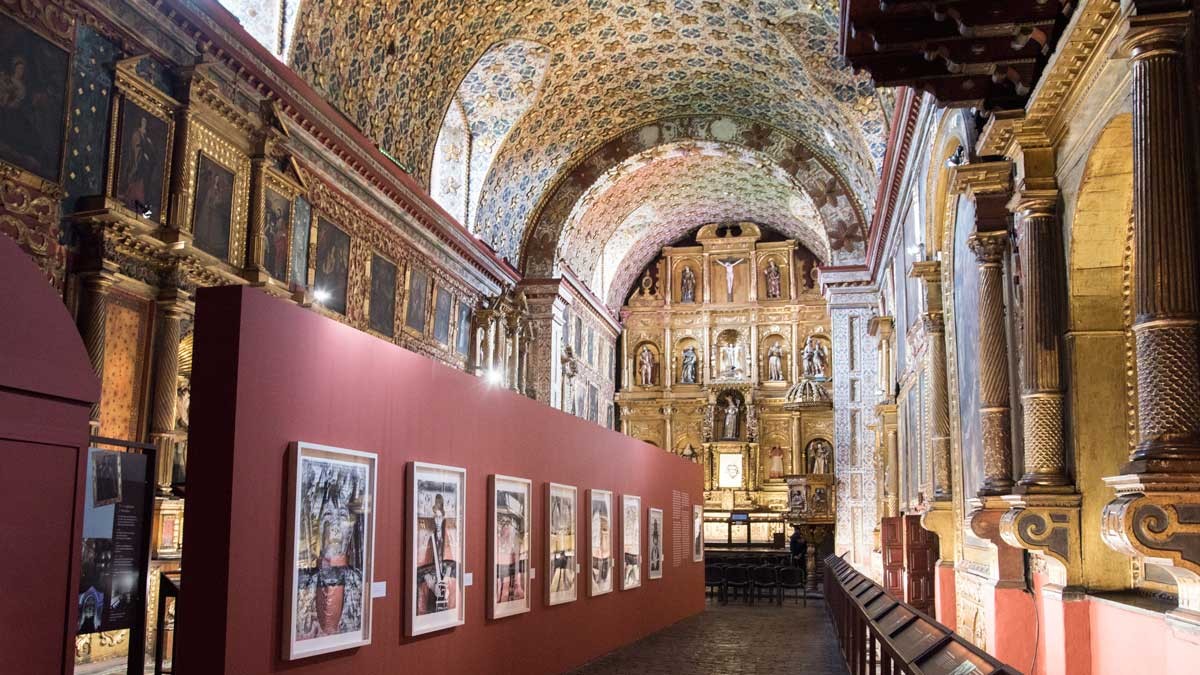
To step across the threshold of Bogotá’s Colonial Museum is to leave the frantic pulse of the modern metropolis behind and enter a preserved world where time flows with the deliberate grace of the sixteenth century. Housed within the historic Casa de Aulas , a structure dating back to 1610, the museum is far more than a mere repository for artifacts; it is an immersive journey into the soul of colonial New Granada. The very architecture serves as a silent narrator, with its cool stone courtyards and arched doorways echoing the grandeur of the Society of Jesus, for whom this building was originally constructed. As one wanders through these halls, the transition from a Jesuit school to a Royal Library, and eventually to a national sanctuary of knowledge, becomes palpable in every layer of the masonry and every soaring ceiling adorned with religious frescoes.
The architecture itself is not simply a backdrop but an integral part of the narrative, representing a testament to the enduring legacy of Spanish colonial design adapted to the Andean landscape. For those drawn to the intersection of history and aesthetics, the building exemplifies Baroque grandeur blended with profound Andean practicality.
Treasures of Faith and Colonial Elegance
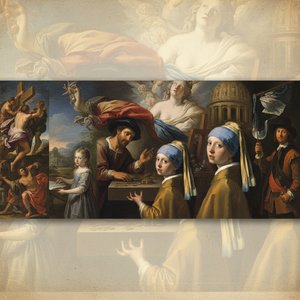
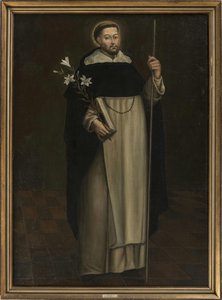
The collection within the museum offers an intimate glimpse into a society defined by a profound intersection of faith and daily existence. For the art lover and the collector, the museum presents a captivating tapestry of 16th to 18th-century mastery. The walls are dominated by ancient paintings that eschew grand political pronouncements in favor of spiritual intimacy. Here, the religious iconography is deeply woven into local customs, revealing a distinctive Colombian Baroque aesthetic—a breathtaking fusion where European techniques meet indigenous sensibilities to create a visual language that is uniquely Andean.
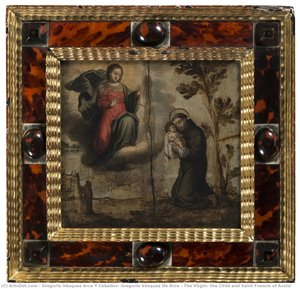
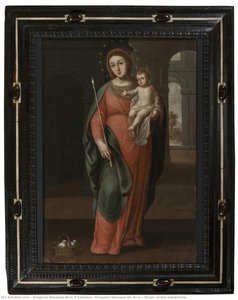
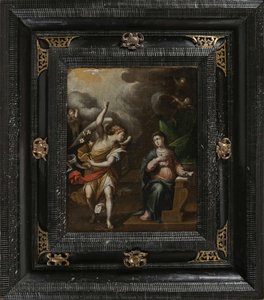
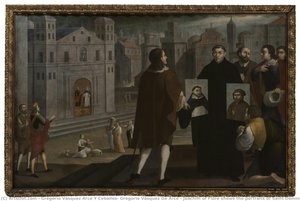
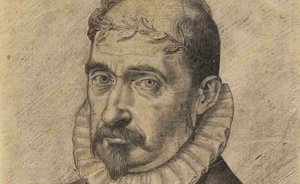
At the heart of this artistic treasure trove lies the legacy of Gregorio Vásquez de Arce y Ceballos , a true master whose work defines the golden age of Bogotá. His prolific output serves as a window into the spiritual landscape of the time, featuring:
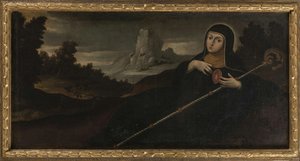
- Oil Paintings: Dozens of works where saints and biblical figures are often set against lush, evocative Andean landscapes, symbolizing a harmony between divine grace and the natural world.
- Intricate Drawings: Masterful sketches that showcase the technical evolution of the era's most significant artist.
- Decorative Arts: An exquisite array of wood carvings, jewelry, fine textiles, and antique furniture that illustrate the material elegance of the period.
For interior designers and enthusiasts of classical beauty, the museum’s display of colonial-era documents, books, and sculpted objects provides essential inspiration, illustrating how the tastes and social hierarchies of a bygone era were expressed through meticulous craftsmanship and ornamental grace.