
A Sanctuary of Renaissance Splendor
Nestled within the verdant, rolling hills of Umbria, the Convent of the Tertiary Franciscans in Foligno serves as a profound testament to the intersection of spiritual devotion and artistic mastery. To enter this sacred space is to step beyond the veil of the modern world and into a realm where history breathes through every stone and pigment. The convent, originally established as a residence for the Franciscan Third Order monks, offers far more than mere architectural interest; it provides an immersive journey into the heart of the Italian Renaissance. Its unassuming exterior masks a treasure trove of cultural significance, acting as a silent witness to the enduring legacy of Saint Angelina of Folgano , whose life of charity and mysticism deeply influenced the very soul of this institution.
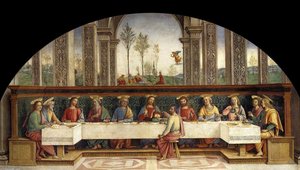
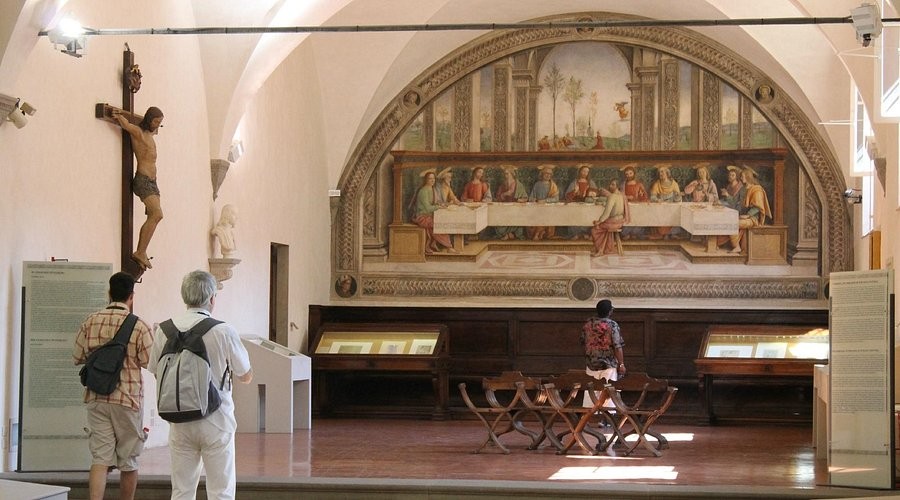
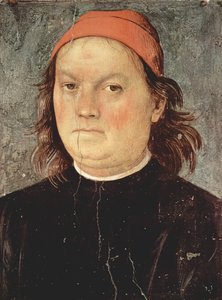
The artistic heartbeat of the convent resides within its remarkable assemblage of fifteenth-century masterpieces, most notably the monumental fresco of The Last Supper by Pietro Perugino . This work stands as a pinnacle of Renaissance achievement, inviting viewers to lose themselves in the delicate application of sfumato . Through this technique, Perugino achieves a breathtakingly subtle gradation of tone, allowing light and shadow to dance across the faces of the disciples, capturing the profound emotional weight of Christ’s final meal. For the art lover or collector, witnessing such mastery is a rare privilege, as the painting does not merely depict a biblical narrative but evokes a palpable sense of divine presence and human vulnerability.
Architectural Harmony and Spiritual Legacy
The architecture of the convent further elevates the visitor's experience, particularly within its monumental refectory. This space stands as an exemplar of Renaissance design, where soaring ceilings and intricate carvings create an atmosphere of solemn reverence. The harmonious proportions of the building reflect the era's obsession with balance and classical beauty, making it a site of immense inspiration for those seeking to understand the origins of spatial grandeur. As one wanders through these halls, the architectural rhythm seems to echo the spiritual discipline of the Franciscan tertiaries who once inhabited these cells, blending the physical structure with a sense of eternal peace.
What truly distinguishes the Convent of the Tertiary Franciscans from other religious sites is its unique ability to weave together the personal and the universal. Recent scholarly exhibitions have highlighted this by pairing deep dives into Perugino’s technical innovations with comparative studies of Renaissance theological perspectives across Europe. This dialogue between art and faith makes the convent a living monument, where the memory of Saint Angelina—a woman who championed the sanctity of marriage and service—remains etched into the very atmosphere. It is a sanctuary where history does not feel like a distant memory, but rather a vibrant, breathing force that continues to inspire awe in all who seek beauty and contemplation.