


A Sanctuary of Infinite Vision
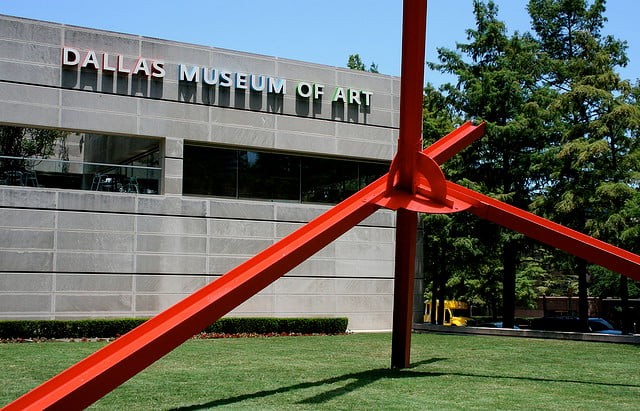
In the beating heart of the Dallas Arts District, where the urban energy of Texas meets a profound stillness of spirit, stands the Dallas Museum of Art . It is not merely a repository for objects, but a living, breathing chronicle of human creativity that spans five millennia. To step through its doors is to embark on a journey that transcends time and geography, moving seamlessly from the whispered secrets of ancient Greek vases to the visceral, boundary-pushing provocations of contemporary masters. Since its humble inception in 1903, the museum has evolved from a local gathering of enthusiasts into a global beacon of cultural excellence, driven by an unwavering commitment to making the sublime accessible to every visitor.
The architecture itself serves as a silent protagonist in this narrative of beauty. Designed by the visionary Edward Larrabee Barnes , the museum’s structure is a masterclass in modernism, characterized by clean, sophisticated lines and an intentional dialogue with light. The expansive halls are not merely containers for art but are designed to breathe alongside it; natural light pours into the galleries, illuminating the textures of ancient ceramics and the bold strokes of oil paintings alike. This architectural brilliance creates an atmosphere of contemplative grandeur, where the soaring ceilings and open floor plans invite the wandering eye to linger on the interplay between shadow and substance.
A Tapestry of Global Heritage
The true soul of the DMA lies in its breathtakingly diverse collection, a rich tapestry woven from threads of countless civilizations. For the collector or the lover of antiquity, the museum offers an unparalleled encounter with the past. One might find themselves lost in the delicate elegance of Chinese porcelain or mesmerized by the rhythmic power of Indian sculptures, each piece serving as a window into the philosophical and spiritual landscapes of their creators. The collection’s strength lies in its ability to bridge the gap between the ancient and the modern, presenting a continuous stream of human expression that feels remarkably unified despite its vast chronological range.
As one wanders deeper into the galleries, the European masters emerge with an emotional depth that continues to captivate the modern soul. The works of Paul Gauguin and Henri Matisse offer vibrant explorations of color and form, while the haunting, complex compositions of Francis Bacon challenge our very perceptions of reality. For the interior designer or the art enthusiast seeking inspiration, these masterpieces provide a profound study in how color, texture, and emotion can transform a space. This seamless blend of ancient craftsmanship and modern experimentation ensures that every visit to the DMA is an encounter with the unexpected, making it a cornerstone of the American cultural landscape.
A Catalyst for Community and Connection
Beyond its walls of stone and glass, the Dallas Museum of Art functions as a vibrant community hub, fostering a deep connection between the public and the transformative power of art. Through its dynamic exhibition policy, the museum breathes life into its permanent holdings with rotating displays that tackle contemporary issues and celebrate forgotten histories. Programs such as the Late Night events and the Arts & Letters Live series transform the institution into a social stage, where literature, music, and visual arts converge to inspire curiosity across all generations.
What truly distinguishes the DMA is its radical dedication to accessibility. By offering free general admission, the museum removes the barriers between the individual and the masterpiece, ensuring that the profound beauty of its 24,000-strong collection remains a shared heritage for all. Whether it is through the scholarly depths of the Mayer Library or the engaging educational programs for young minds, the museum remains steadfast in its mission to act as a catalyst for engagement. It is a place where history is not just studied, but felt—a sanctuary where every brushstroke and every carved stone tells a story that belongs to us all.