

The Pulse of Industry: A Symphony of Labor at DASA Dortmund
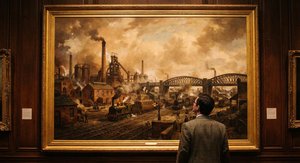
In the heart of Dortmund, a city whose very soul was forged in the heat of steel and coal, lies an institution that transcends the traditional boundaries of a museum. The DASA Working World Exhibition is not merely a repository of artifacts; it is a living, breathing narrative of human endeavor. To step inside is to enter a space where the boundary between history and the future dissolves, offering a profound meditation on the relationship between man, technology, and the evolution of society. For the art lover and the historian alike, DASA provides a sensory journey through the rhythmic pulse of industry, capturing the raw energy of the machine age alongside the delicate precision of modern innovation.
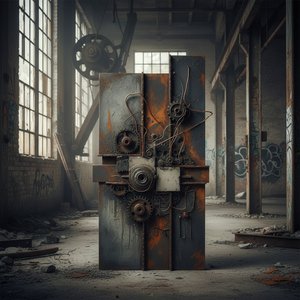
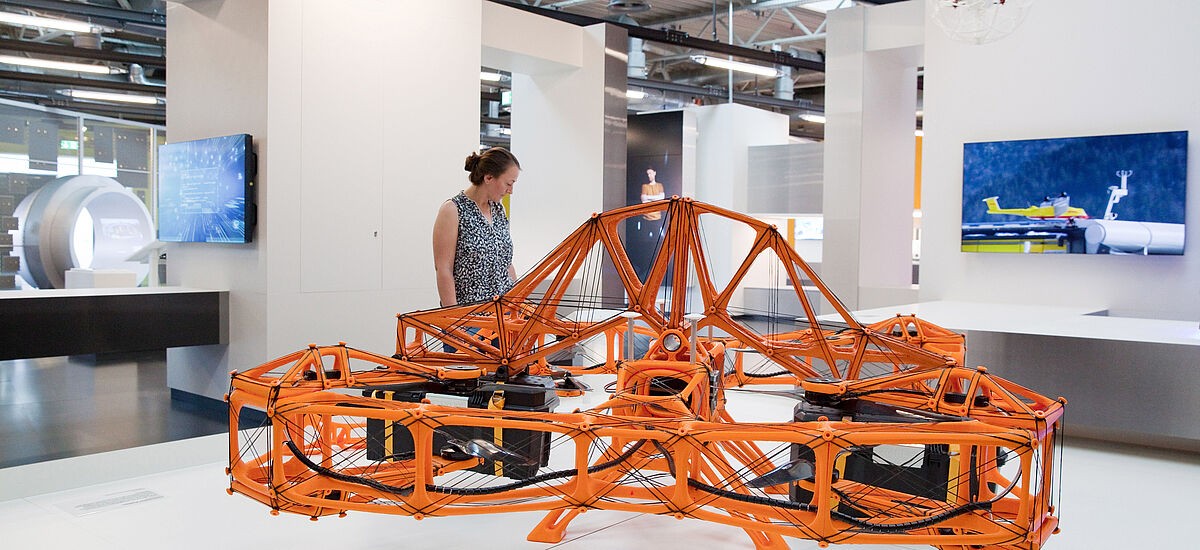
The architecture of DASA itself serves as a monumental prelude to its contents. Designed with a spacious, flowing layout that prioritizes accessibility and movement, the building embodies the spirit of industrial progress. Its construction utilizes innovative materials that reflect Dortmund’s legacy as a manufacturing powerhouse, creating an environment that feels both robust and contemporary. The exhibition design is a masterclass in scenography, where light, sound, and space are orchestrated to create immersive environments. It is a place where the heavy, metallic echoes of the past meet the sleek, digital whispers of the future, making it a captivating destination for those who appreciate how structural form can mirror thematic depth.
A Curated Tapestry of Human Toil and Technological Triumph
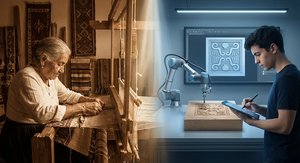
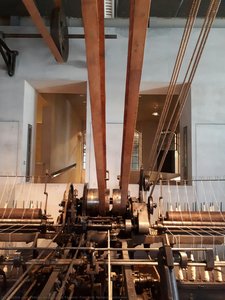
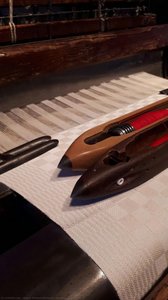
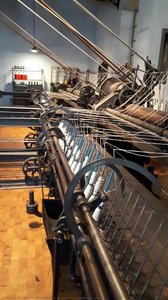
The collection within DASA is a meticulously curated journey through the changing nature of human effort. Visitors are invited to wander through recreated workshops where the scent of oil and the clatter of looms evoke the disciplined, dust-filled reality of the textile industry's golden age. Here, the museum highlights the profound transition from manual craftsmanship to the automated precision of the modern era. One might find themselves mesmerized by the evolution of communication, tracing the lineage from the tactile click of typewriters and mechanical calculators to the ethereal glow of contemporary digital interfaces. This juxtaposition of the tangible and the virtual offers a poignant reflection on how our tools shape our very identity.
Beyond the historical artifacts, the exhibition explores several captivating themes:
- The Rhythm of Machines: A vivid insight into traditional factory work, where the whistling of steam engines and the rattle of weaving looms transport visitors to a bygone era.
- At the Screen: An exploration of working with information and communication technology, featuring regular demonstrations of modern tools.
- The Race for Headlines: A look at the evolution of media production, from manual typesetting to the digital age of desktop publishing.
- Safety and Engineering: An immersive experience in the building trades, where visitors can descend into deep tunnels to understand the hazards of civil engineering.
An Immersive Vision of the Future
What truly distinguishes DASA is its commitment to experiential learning—a concept that resonates deeply with those who value art as an interactive medium. It is a space designed for participation rather than passive observation. One can stand amidst the looming shadows of robotics to contemplate the potential effects of artificial intelligence on employment, or engage with emerging technologies like virtual reality. This dynamic approach extends to its temporary exhibitions, which frequently explore contemporary challenges such as sustainable agriculture and urban development.
For the interior designer or collector seeking inspiration in the intersection of utility and beauty, DASA stands as a testament to the idea that work is not just a necessity, but a fundamental element of our cultural and artistic landscape. It remains a unique destination where the leitmotif of man, work, and technology creates a holistic understanding of our place in an ever-evolving world.