

A Sanctuary of Stories: The Soul of Copenhagen
Nestled along the tranquil waters of Copenhagen, Det Kongelige Bibliotek stands as much more than a mere repository for books; it is a living, breathing embodiment of Denmark’s intellectual heritage and artistic spirit. To step within its walls is to enter a realm where centuries of human thought whisper from ancient manuscripts and architectural grandeur inspires profound contemplation. Founded in 1648 by King Frederik III, the institution was born from an era of scholarly fervor that swept across Europe, and it has since evolved into Scandinavia’s premier literary archive. It serves as a sacred custodian of the Danish identity, where the weight of history is felt in every silent corridor and the light of knowledge illuminates the path for future generations.
The library’s true heart beats within its extraordinary collection, a vast tapestry of human expression amassed through centuries of astute acquisitions. As a legal deposit library, it holds nearly every known Danish printed work dating back to 1482—the very year Johann Snell inaugurated the art of printing in Denmark. For the collector of history and the lover of fine detail, the holdings offer breathtaking treasures, from illuminated manuscripts that showcase intricate, hand-painted artistry to early printed books that bear witness to the pivotal moments of a nation's birth. This dedication to preservation even extends into the digital frontier, as the library meticulously archives the entire Danish internet, ensuring that the ephemeral traces of our modern age are preserved with the same reverence as the timeless classics.
Architectural Dialogue: From Neo-Classical Grandeur to The Black Diamond
The architectural journey of Det Kongelige Bibliotek is a captivating dialogue between the echoes of the past and the bold strokes of modernity. The original structure, completed in 1906, draws its profound inspiration from the majesty of Charlemagne’s Palace chapel in Aachen Cathedral. It embodies the Neo-Classical ideals of symmetry, proportion, and monumental scale, creating an atmosphere of solemn beauty that commands respect. This historic edifice provides a sense of permanence and stability, grounding the institution in the classical traditions of European scholarship.
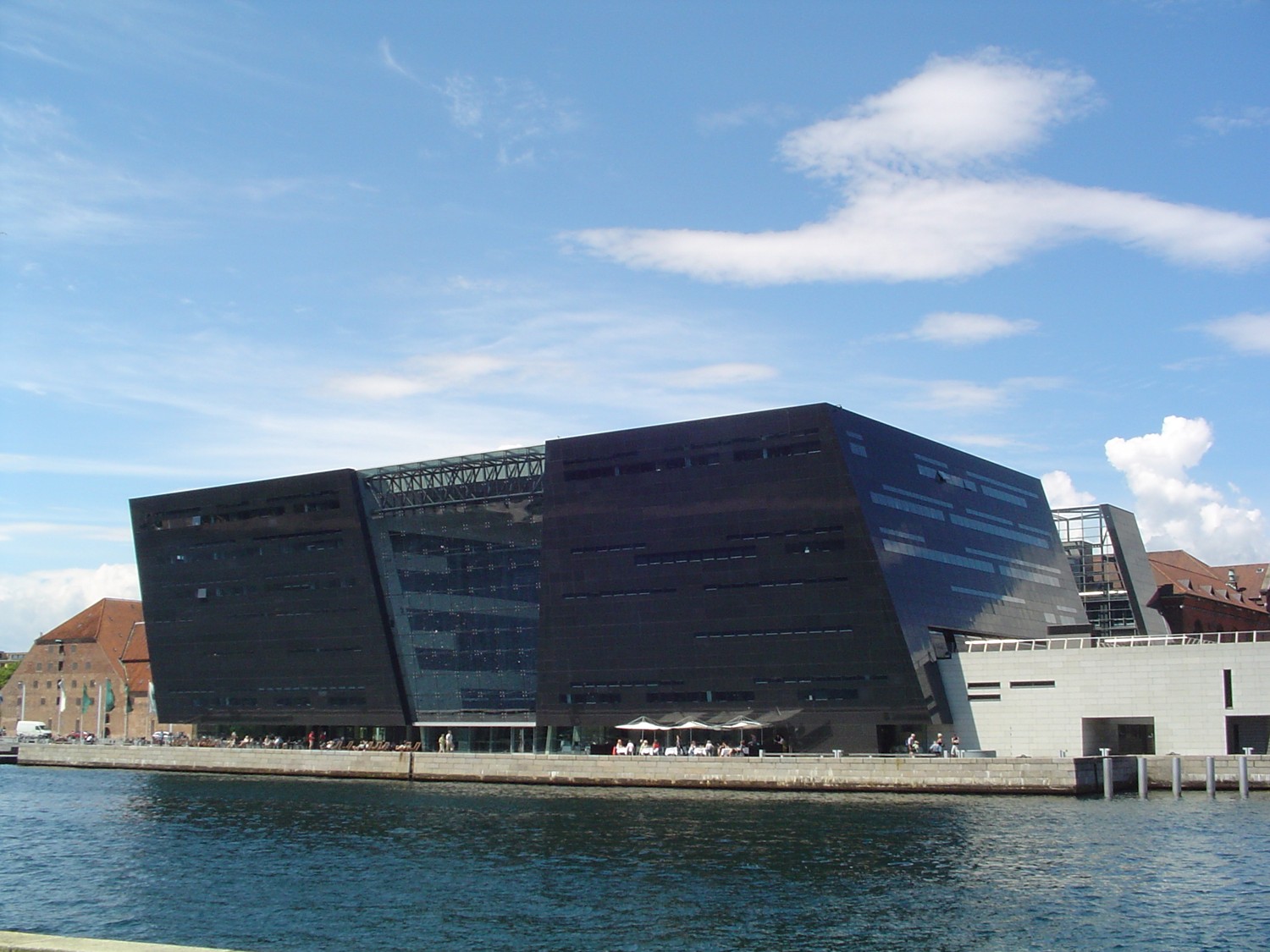
However, the library’s visual landscape was dramatically transformed with the inauguration of The Black Diamond in 1999. Designed by the visionary architects Schmidt Hammer Lassen, this striking addition of black marble and glass boldly confronts the harbor waters. It is a masterpiece of contemporary design, its angular, reflective surfaces creating a mesmerizing interplay of light and shadow. This architectural juxtaposition—the heavy, historical weight of the old library meeting the sleek, translucent innovation of the new—serves as a metaphor for the institution itself: a place where tradition and progress exist in perfect, breathtaking harmony. Within this modern marvel, a world-class concert hall further transforms the library into a vibrant cultural hub where music and art converge with literature.
A Living Legacy of Culture and Exhibition
Beyond its role as an archive, Det Kongelige Bibliotek serves as a dynamic stage for cultural exploration through its curated exhibitions. These displays are designed to illuminate the depths of Danish culture and the universal human experience. For instance, the exhibition “Between Heaven and Earth” invites visitors on a celestial journey, weaving together folklore, ancient texts, and astronomical observations to explore humanity's enduring quest for meaning. Such exhibitions do not merely display objects; they tell stories that resonate emotionally with the viewer, bridging the gap between scientific inquiry and artistic wonder.
For the interior designer seeking inspiration or the art enthusiast looking for depth, the library offers an inexhaustible wellspring of aesthetic and intellectual richness. It is a place where the tactile beauty of vellum meets the sharp, clean lines of modern glass, and where the history of a nation is laid bare through its printed word. Det Kongelige Bibliotek remains a beacon of knowledge, a sanctuary that continues to shape Denmark's future by ensuring that the brilliance of the past remains an active, inspiring force in the contemporary world.