


A Chronicle Etched in Stone and Paper
Nestled within the tranquil, verdant embrace of Kew Gardens, The National Archives stands as far more than a mere repository for parchment and ink; it is a living, breathing testament to Britain’s enduring narrative. To step into this sanctuary is to enter a space where time itself seems to pause, allowing the whispers of millennia to reach the modern soul. Established in 2003 through the visionary merger of the Public Record Office and the Historical Manuscripts Commission, the institution serves as the ultimate custodian of the nation's identity. Every corridor and hall acts as a bridge between the ancient and the contemporary, offering a profound journey through the layers of human experience that have molded the British Isles from the Anglo-Saxon era to the digital age.
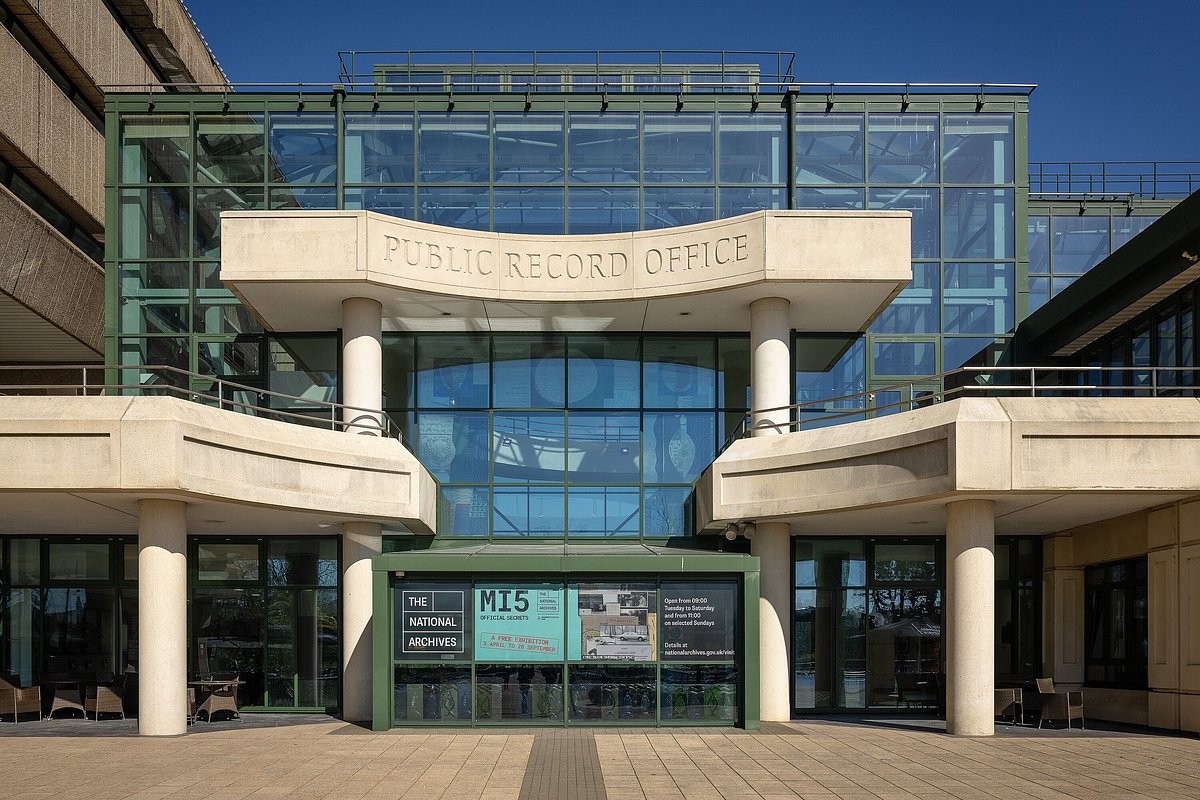
The architecture of the building tells a story of remarkable transformation and resilience. Originally conceived during the Great War as a hospital, its spacious, light-filled design was thoughtfully reimagined in 1977 to serve as a monumental sanctuary for governmental records. This modernist structure, characterized by its functional elegance, allows sunlight to stream through expansive windows that overlook the lush greenery of the surrounding UNESCO World Heritage site. For the art lover and the interior designer alike, the building offers a masterclass in how purpose-driven design can create an atmosphere of contemplative beauty, blending the clinical precision of archival science with the organic serenity of the gardens.
Treasures of the Human Spirit
The true soul of The National Archives lies within its extraordinary holdings, a collection of over ten million documents that pulse with the heartbeat of history. For the collector of stories and the seeker of truth, the highlights are nothing short of breathtaking. One might find themselves moved by the poignant intimacy of Shakespeare’s will, a fragile piece of paper that offers a window into the private life of England's greatest Bard, or mesmerized by the intricate beauty of medieval manuscripts. These illuminated texts, adorned with vibrant pigments and meticulous artistry, reveal a world where religious devotion and artistic mastery were inextricably linked.
Beyond the aesthetic splendor, the collection holds the weight of political evolution through royal charters that chart the very rise of the monarchy. The archives also hold the shadows of the past, as seen in recent exhibitions featuring declassified MI5 documents—a sobering reminder of the secrets once held beneath layers of state silence. This duality of the public and the hidden, the beautiful and the bureaucratic, creates a tension that makes every visit an intellectual adventure. It is this unique ability to weave together the grand political shifts with the delicate threads of individual lives that distinguishes The National Archives as a premier destination for anyone captivated by the art of human history.
A Beacon of Accessibility and Innovation
What truly sets this institution apart in the modern landscape is its unwavering commitment to making the past accessible to all. It does not merely guard history behind locked doors; it actively invites the world to participate in its unfolding story. Through a sophisticated blend of interactive exhibits, comprehensive online databases, and immersive educational programs, The National Archives empowers researchers, genealogists, and dreamers to uncover hidden narratives. This dedication to transparency ensures that the archives are not a static monument to what has passed, but a dynamic resource for shaping future understanding.
For the contemporary designer or scholar, the institution serves as an inexhaustible wellspring of inspiration. The interplay between the historical weight of the documents and the innovative methods used to preserve them offers a profound lesson in continuity. As it continues to evolve, The National Archives remains a steadfast guardian of Britain’s story—a narrative that is never truly finished, but rather rediscovered with each passing generation, inviting us all to find our own place within its grand, unfolding tapestry.