



A Venetian Masterpiece Revisited: The Soul of the Serenissima
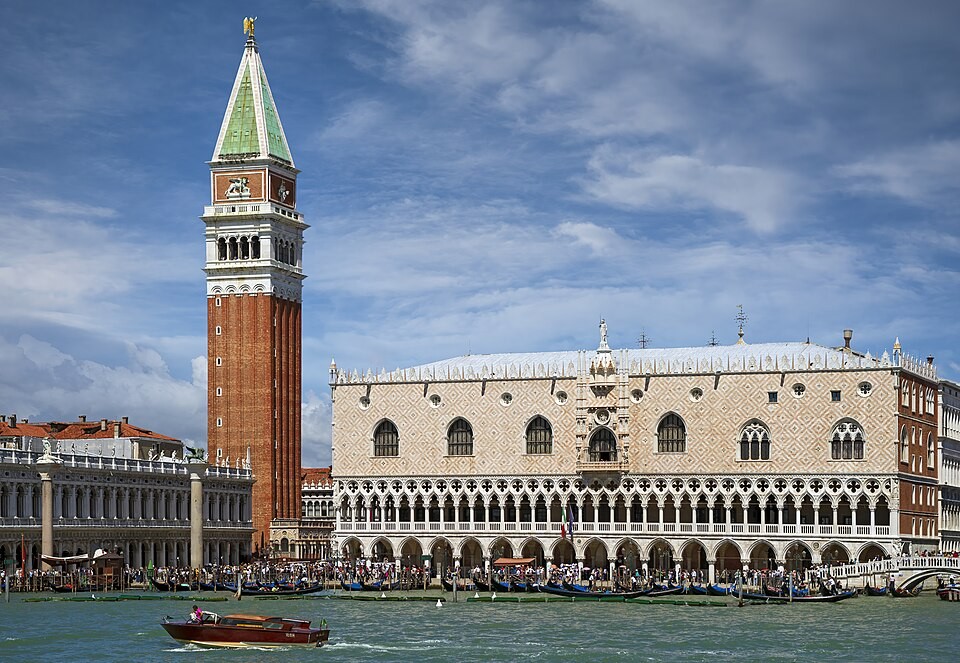
The Doge’s Palace in Venice stands as an unparalleled testament to Venetian grandeur—a building that transcends mere stone and mortar, embodying centuries of political ambition, artistic innovation, and cultural legacy. More than just a palace, it is the very heart of the Venetian Republic's identity, meticulously crafted to inspire awe and solidify its dominion over the Adriatic Sea. To walk through its gates is to step into the living memory of a maritime empire that once commanded the respect of the known world. The architecture is undeniably Venetian Gothic —a singular style born from Venice’s position as a crossroads between East and West. Delicate pink and white marble façades create an illusion of lightness, adorned with pointed arches, intricate tracery, and sculptures that convey power and prestige.
The palace's monumental presence is further defined by the Campanile , designed by Giovanni Fantuzzi, which rises majestically above St. Mark’s Square as a symbol of Venetian resilience. Inside, the palace unfolds into a labyrinthine network of interconnected spaces, reflecting the complex political hierarchy of the Republic, where every corridor and courtyard tells a story of governance and splendor.
Artistic Treasures and the Zenith of Venetian Brilliance
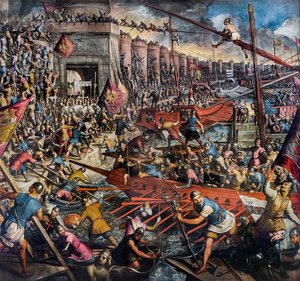
The artistic treasures housed within these walls illuminate the very zenith of Venetian history and brilliance. The palace houses an extraordinary collection that serves as a gallery of the Renaissance's most profound voices, where canvases dominate several halls and recount pivotal moments in Venetian life. Among its most celebrated treasures are paintings by titans such as Titian, Veronese, and Tintoretto .
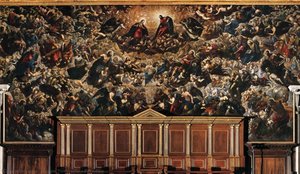
Veronese’s colossal “Paradise,” originally commissioned for the Sala del Maggiment Consiglio, exemplifies the palace's ambition to impress visitors with its scale and vibrancy—a breathtaking panorama of biblical scenes rendered in luminous colors and dynamic movement. Similarly, Tintoretto’s dramatic compositions, infused with theatrical lighting and emotional intensity, further heighten the atmosphere of grandeur, evoking a profound sense of artistic accomplishment that remains unparalleled.
Secrets, Shadows, and the Bridge of Sighs
Beyond its public façade, the Doge’s Palace harbors secrets that intrigue historians and art lovers alike. The Bridge of Sighs —connecting the palace to the New Prison—is perhaps Venice's most poignant symbol of sorrowful history. Legend recounts that prisoners traversing the bridge gazed upon St. Mark’s Square for the final time before entering confinement, sighing in despair—a haunting reminder of Venetian justice and human vulnerability.
For those seeking to uncover the hidden layers of this monument, the “Secret Itineraries” tours reveal a hidden network of passageways and chambers utilized by government officials for surveillance and discreet communication. These clandestine routes underscore the palace’s role as both residence and center of power, encapsulating Venice's multifaceted character throughout its illustrious past.