

A Venetian Tapestry Unfolding
Dorsoduro is far more than a mere district of Venice; it is an unfolding narrative of artistic evolution, a place where the echoes of Renaissance masters resonate alongside the bold declarations of modern visionaries. Unlike the often-overwhelmed thoroughfares surrounding St. Mark’s Square, Dorsoduro offers a more intimate encounter with the soul of Venice—a slower rhythm that allows for genuine immersion in its rich cultural landscape. Historically defined by its relatively stable land, this sestiere has transformed from a residential area into a vibrant hub, attracting artists, students, and discerning travelers alike. The district’s charm lies not just within individual landmarks but in the very fabric of its streets, where palatial architecture serves as a constant reminder of Venice's glorious past, whispering tales of power, patronage, and artistic ambition.
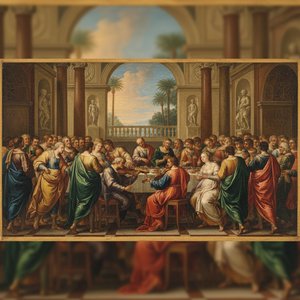
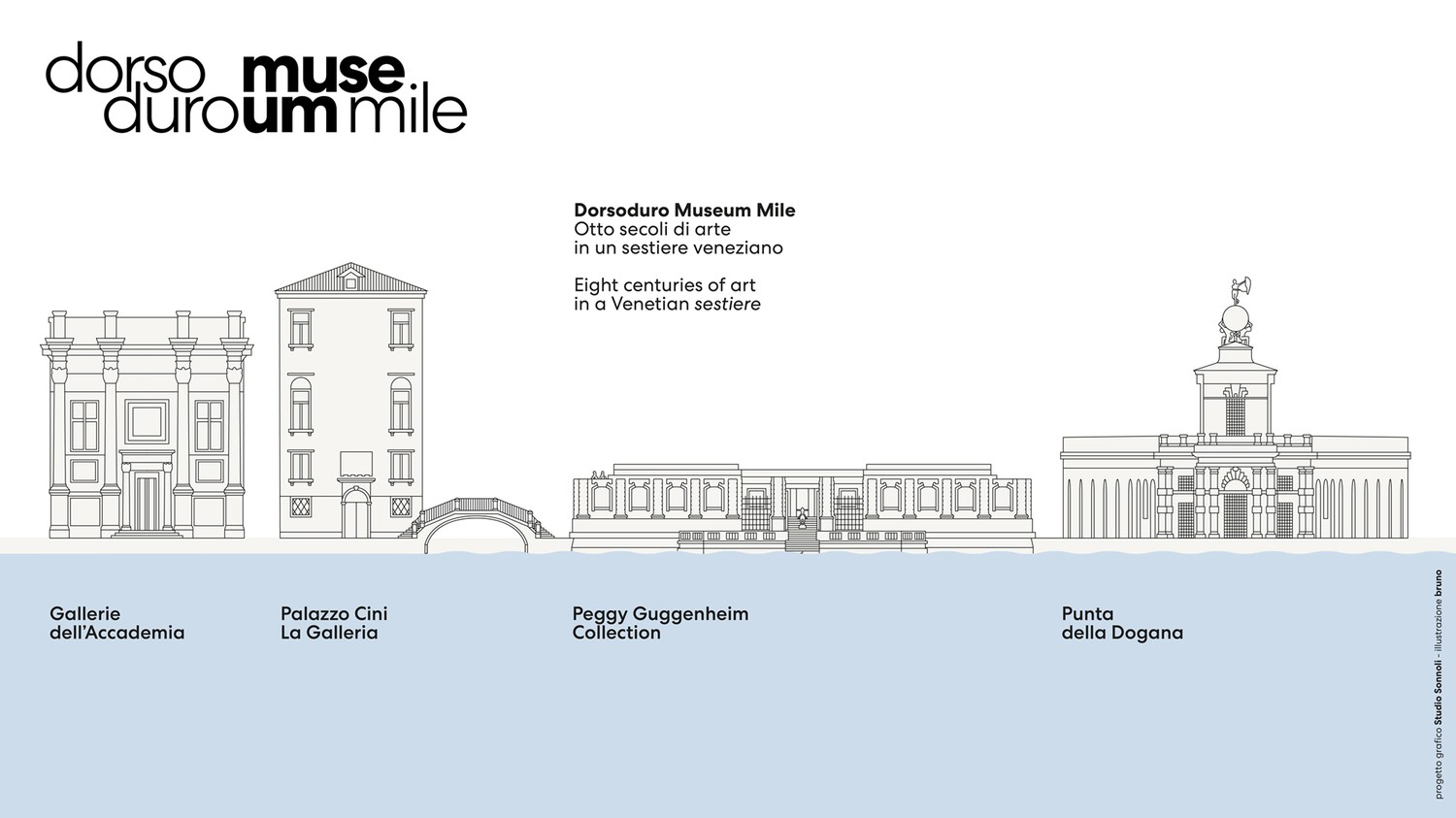
The artistic journey through Dorsoduro is remarkably diverse, presenting a captivating juxtaposition of eras and styles. At its core lies an unparalleled concentration of Renaissance Venetian painting, most notably housed within the Gallerie dell’Accademia . Here, masterpieces by Titian, Tintoretto, and Veronese are not merely displayed; they are experienced within a setting that reflects their historical context—grand halls echoing with the voices of artists who once commanded these very spaces. The Accademia itself is a testament to Venice’s unwavering commitment to artistic preservation, evolving from an academy of drawing established in the 18th century into the comprehensive collection it is today.
A Landscape of Architectural Splendor
Stepping away from the classical, one encounters the groundbreaking vision of Peggy Guggenheim. Her collection, housed in her former home—the Palazzo Venier dei Leoni —presents a stunning panorama of 20th-century modern art, featuring works by Picasso, Dalí, and Pollock. The palazzo itself, with its unique architectural character—a harmonious blend of Venetian Gothic and Baroque styles—and tranquil garden overlooking the Grand Canal, embodies Guggenheim’s own avant-garde spirit.
Beyond these flagship institutions, Dorsoduro reveals a wealth of hidden treasures waiting to be discovered among its winding canals. The district is home to several architectural marvels that define the Venetian experience:
- Ca’ Rezzonico : A magnificent Baroque palace that offers a glimpse into the opulent lifestyle of 18th-century Venice, with lavishly decorated rooms adorned with frescoes and period furnishings.
- Santa Maria del Rosario : Also known as Gesuati, this sanctuary offers an immersive descent into an 18th-century dreamscape where architecture and art dissolve into a singular experience.
- Chiesa dell'Angelo Raffaele : A remarkable example of Venetian Baroque architecture that is one of the few churches in Venice that visitors can walk entirely around.
- Ca’ Zenobio : A triumph of late-Baroque architectural ambition, this palace presents an exquisite collection of Oriental art within a stunning setting.
The Living Pulse of the District
What truly sets Dorsoduro apart is its unique blend of history and contemporary life. Unlike areas solely focused on tourism, it remains a vibrant residential district, home to the University of Venice and a thriving student population. This youthful energy infuses the area with a dynamic atmosphere, creating a palpable sense of authenticity where students debate art theory in cafes alongside seasoned gondoliers. The evolution of the district is marked by pivotal moments, such as the construction of the Ponte dell’Accademia in the 19th century, which fostered its growth as a premier artistic destination.
Today, the area continues to evolve through rotating exhibitions at the Gallerie dell’Accademia and contemporary installations at Palazzo Venier dei Leoni, ensuring that Dorsoduro remains a dynamic space for innovation—a place that honors its rich heritage while looking vibrantly toward the future. Whether wandering the waterfront promenades of the Zattere or exploring the quiet, labyrinthine streets, one finds a district that is both a guardian of tradition and a cradle of new expression.