
A Sanctuary of Scientific Reverie
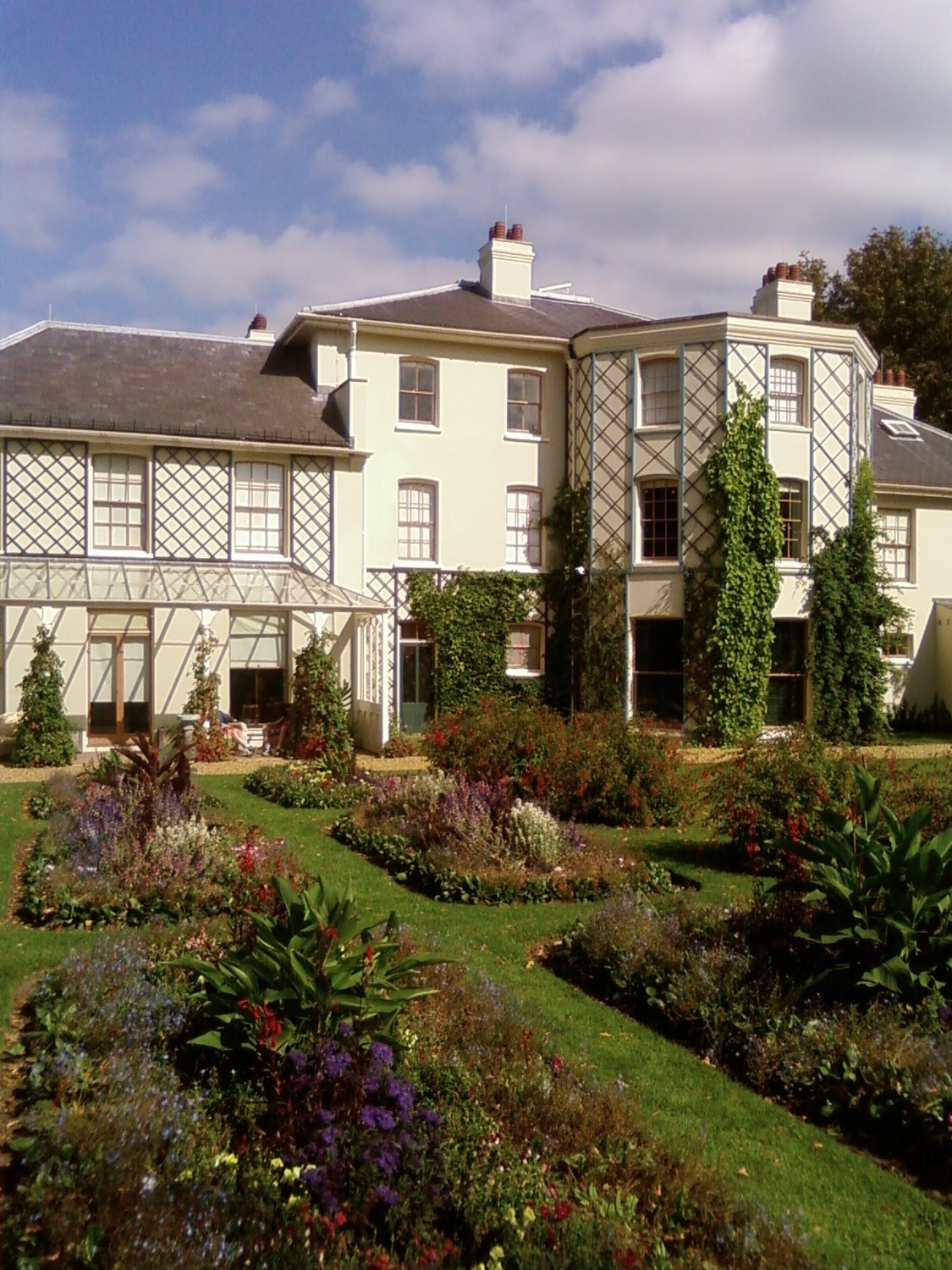
In the tranquil embrace of the Kent countryside, where the verdant landscapes of Downe unfold in a tapestry of soft greens and earth tones, lies Down House —a residence that transcends its architectural modesty to become a profound monument to human curiosity. This is not merely a house, but a living canvas upon which Charles Darwin painted his revolutionary understanding of life itself. For the discerning visitor, the estate offers an immersive journey into the Victorian soul, where the boundaries between domestic intimacy and scientific rigor dissolve. To step across its threshold is to enter a world where every specimen, every botanical treasure, and every meticulously kept journal serves as a brushstroke in the grand narrative of evolution.
The architecture of Down House reflects the quintessential Victorian ethos of practical comfort intertwined with an expanding intellectual horizon. Originally a modest two-story structure, the villa underwent a graceful metamorphosis under Darwin’s stewardship, growing to accommodate both his burgeoning family and his relentless scientific pursuits. The house embodies a sense of lived-in history; it is a space where the warmth of familial devotion meets the cold precision of empirical research. For those with an eye for period detail and interior harmony, the rooms offer a masterclass in Victorian domesticity, presenting a curated atmosphere of quiet contemplation and scholarly elegance that feels remarkably present, as if the inhabitants had only just stepped away from their desks.
The Living Laboratory and the Heart of Discovery
The true heart of this estate resides within the hallowed silence of Darwin’s Study. Here, the air seems thick with the weight of monumental thought. The walls, lined with books and scientific instruments, bear witness to the very moments when On the Origin of Species was conceived. It is a room of profound texture, where the horsehair chair remains as a silent participant in history, and the clutter of specimens provides a tactile connection to the natural world. Beyond these interior walls, the gardens serve as an expansive, outdoor laboratory. This "living laboratory" allows one to wander through the same paths Darwin once trod, observing the delicate interplay of botany and entomology that fueled his observations.
What distinguishes Down House from more sterile historical sites is its unparalleled ability to weave science into the fabric of human emotion. It does not merely display artifacts; it preserves an atmosphere. There is a poignant beauty in seeing Emma Darwin’s knitting left upon a chair or discovering the remnants of family life amidst the tools of discovery. The estate offers several intimate encounters for those seeking to connect with the genesis of modern thought:
- The Study: A space of profound intellectual density, housing the very desk where evolutionary theory took shape.
- The Greenhouse: A structure of glass and light that stands as a testament to botanical experiments and the cultivation of rare species.
- The Sandwalk: The famous "thinking path" where Darwin strolled to contemplate the complexities of the natural order.
- The Kitchen: A place of domestic warmth, located in the old kitchen where the family meals were prepared, now offering a taste of the era's simplicity.
For collectors of history and lovers of profound narratives, Down House remains a singular destination where the legacy of one of history's greatest minds is not just studied, but felt through the very textures of the home and garden.