
A Sanctuary of Artistic Lineage
To step through the gates of the École Nationale Supérieure des Beaux-Arts in Paris is to enter a sanctuary where time seems to fold upon itself, blending the rigorous discipline of the past with the vibrant pulse of contemporary creation. Located in the heart of the French capital, this institution is far more than a mere school; it is a living monument to the evolution of Western aesthetics. The very air within its walls breathes the spirit of centuries of artistic endeavor, serving as a bridge between the classical foundations laid under Louis XIV and the avant-garde explorations of the modern era. For the art lover, it offers a profound journey through the lineage of mastery; for the collector, it represents the ultimate benchmark of artistic excellence; and for the interior designer, it provides an inexhaustible wellspring of classical proportion and grandeur.
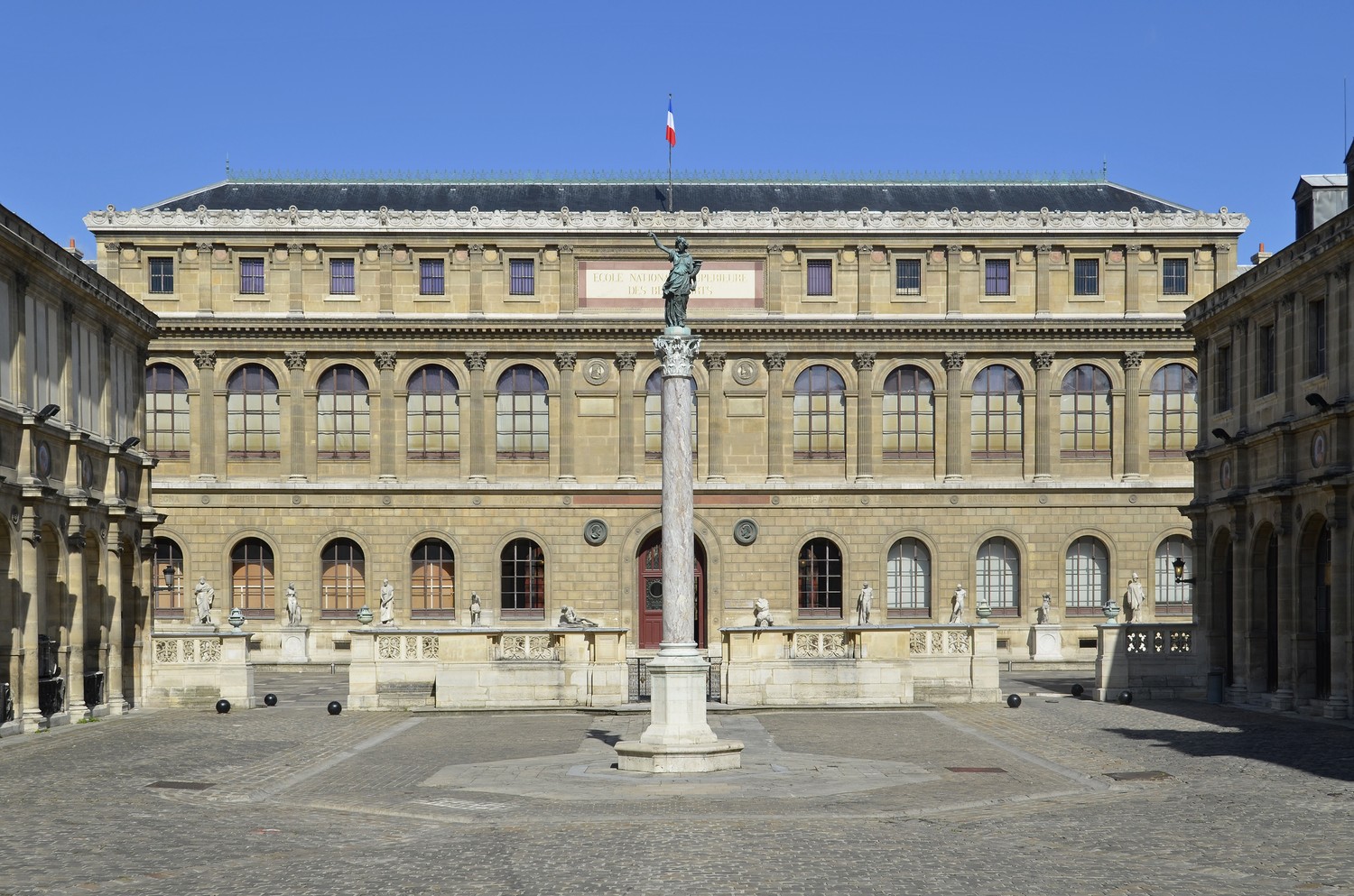
The architectural experience of the École is itself a masterpiece of the Beaux-Arts style. Designed by the visionary Félix Duban, the main building stands as a triumph of symmetry and meticulous craftsmanship. Constructed primarily between 1830 and 1861, the structure embodies the very principles taught within its studios: a reverence for harmony, balance, and elaborate detailing. Every stone and every carved surface reflects a commitment to precision that inspires discipline in the students who walk these halls. This architectural grandeur does not merely house art; it frames it, creating an and environment where the monumental scale of the surroundings prepares the soul for the profound beauty of the works held within.
A Tapestry of Masterpieces and Movement
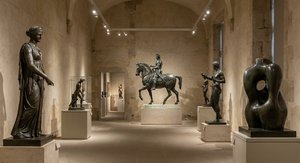
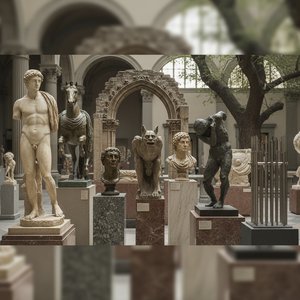
The collection housed within the École is a breathtaking panorama of human creativity, spanning from the heroic ideals of antiquity to the emotive brushstrokes of the modern age. Visitors can find themselves captivated by the silent strength of Greek and Roman sculptures, which serve as eternal models for those seeking to master form and anatomy. Moving through the galleries, one encounters a rich tapestry of paintings that trace the stylistic metamorphosis from the Renaissance through the luminous innovations of Impressionism. Notable works, such as the vibrant Fauvist energy found in Albert Marquet’s Life Class at the École des Beaux-Arts , offer glimpses into the lively, communal spirit of the studio life that has defined this institution for generations.
The historical weight of the collection is further anchored by the dramatic realism of masters like Paul Delaroche. His works, including detailed studies such as the Hemicycle of the Ecole des Beaux-Arts , bring to life significant events and figures from the past with a meticulousness that remains unparalleled. These pieces serve as a reminder of the school's role in documenting the human narrative through a lens of historical truth and emotional depth.
The Crucible of Future Innovation
What truly distinguishes the École des Beaux-Arts is its unique position as both a repository of history and a crucible of future talent. It is a place where the weight of tradition does not stifle innovation but rather provides the essential foundation upon which new movements are built. The influence of its principles can be seen far beyond the classroom, echoing through the Art Deco movement and continuing to inspire contemporary interior design through its emphasis on refined detailing and harmonious proportions.
As a living legacy, the École continues to nurture diverse disciplines—from sculpture and painting to photography and digital media. It remains an enduring institution where the tools of expression may change, but the pursuit of beauty remains an eternal and unwavering mission. For those seeking inspiration in the intersection of classical rigor and modern creativity, there is no greater destination.