
A Tapestry of Time: The Soul of Cambridge’s AMES
Nestled within the hallowed, ancient corridors of the University of Cambridge, the Faculty of Asian and Middle Eastern Studies (AMES) serves as much more than a mere academic institution; it is a living, breathing sanctuary where the echoes of distant civilizations converge. To step into its domain is to embark on a journey through the very fabric of human history, where the boundaries between East and West dissolve into a singular, profound narrative of cultural evolution. The air within these walls seems thick with the weight of millennia, inviting scholars and art enthusiasts alike to contemplate the intricate dance between politics, language, and the enduring beauty of artistic expression. It is a place where the scholarly rigor of Cambridge meets the evocative spirit of the world's most storied regions.
The essence of AMES lies in its unparalleled ability to weave together the disparate threads of diverse regional identities. It is a space where the delicate precision of Japanese aesthetics meets the rhythmic complexity of Islamic calligraphy , and where the monumental grandeur of ancient Egyptian iconography finds resonance with the nuanced political landscapes of modern Asia. For the discerning collector or lover of fine arts, the Faculty offers a window into the profound symbolism that defines these cultures. The atmosphere is one of quiet, intellectual grandeur, making it a destination of immense inspiration for those who curate aesthetic spaces or seek to understand the deep-seated connections between art and human society.
A Legacy of Scholarship and Artistic Portraiture
The history of this institution is one of remarkable transformation. Originally established as the School of Oriental Studies, it has matured into a sophisticated beacon of global scholarship. While its origins were rooted in an era of imperial curiosity, the Faculty has evolved into a center for critical analysis, moving far beyond practical governance to embrace a deep commitment to exploring cultural traditions and historical narratives. This evolution is reflected in the very atmosphere of the Faculty, which balances the weight of tradition with a dynamic engagement with the present.
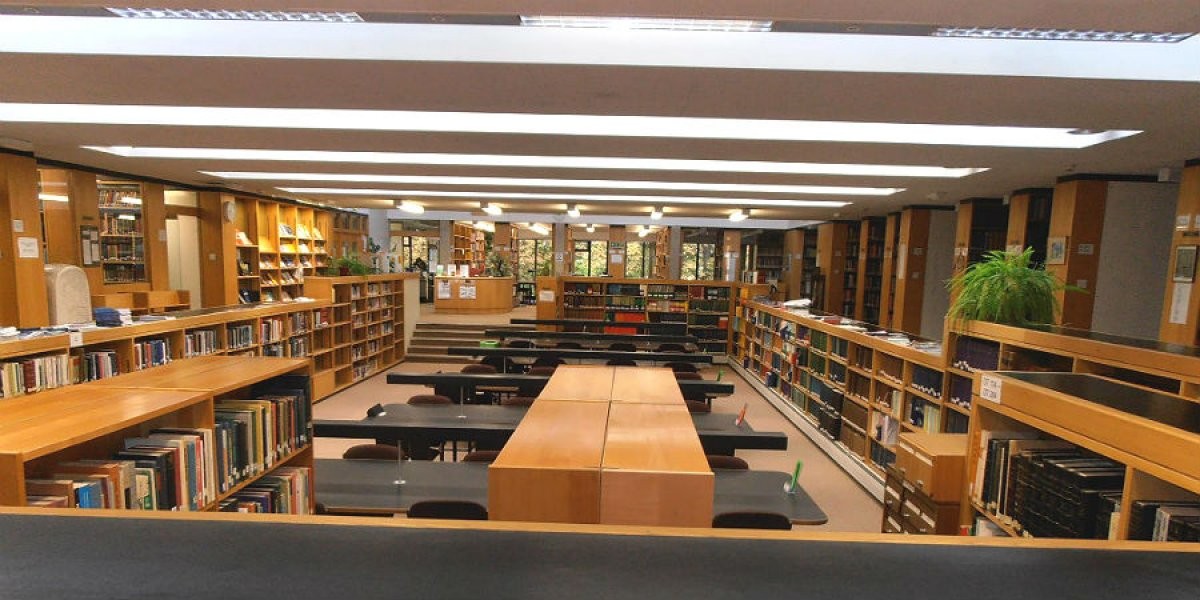
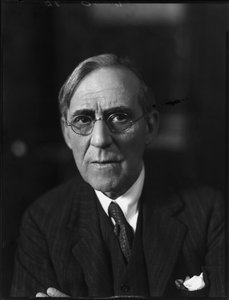
The collection within the Faculty’s purview boasts an impressive array of portraits that lend a sense of narrative depth and classical prestige to the environment. One might find themselves captivated by the legacy of figures such as T.E. Lawrence , whose spirited depiction embodies both adventure and intellectual rigor. These visual records, alongside the vast library resources that house rare manuscripts and maps, serve as artifacts capable of transporting any observer to another age. The intersection of research and exhibition ensures that the Faculty remains a vibrant site for exploring how beauty is often inextricably linked to the struggles and triumphs of human society.
An Interdisciplinary Sanctuary
What truly distinguishes the Faculty of Asian and Middle Eastern Studies is its commitment to interdisciplinary harmony. It is a rare space where the linguist, the historian, and the artist find common ground, fostering a holistic understanding of the Middle East, Africa, and Asia. This convergence of disciplines allows for a unique exploration of:
- East Asian Studies: Delving into the rich linguistic and cultural histories of regions including China and Japan.
- Middle Eastern Studies: Investigating the complex geopolitics, art, and traditions of the Middle East.
- Visual and Sacred Languages: Analyzing the profound impact of iconography, from Egyptian antiquity to Islamic calligraphy.
- Historical Documentation: Engaging with rare manuscripts and maps that provide a tactile connection to the past.
For those seeking to understand the profound impact of cultural heritage on our global identity, AMES provides an immersive experience that transcends traditional academic boundaries. It stands as a testament to the power of curiosity, offering a curated glimpse into the magnificent, multifaceted soul of the world’s most storied regions.