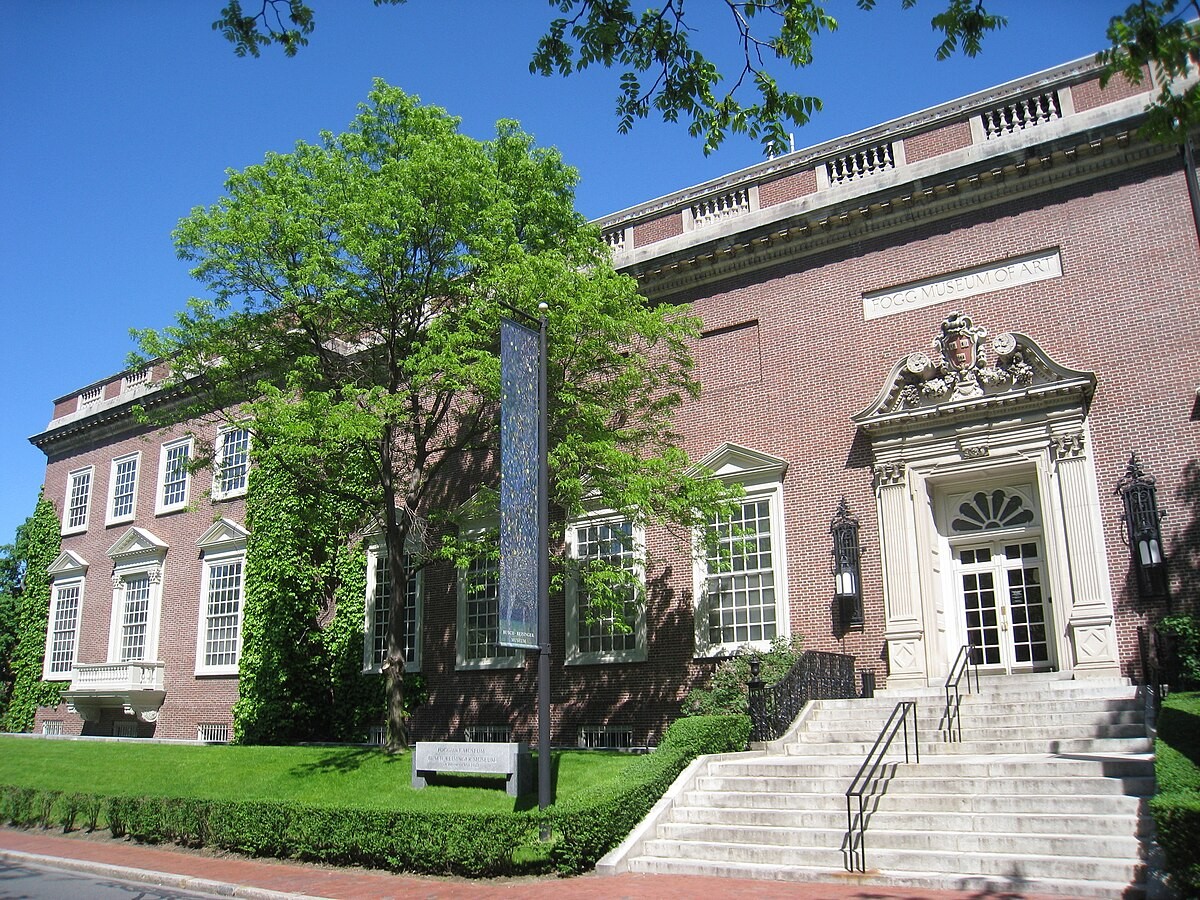




A Sanctuary of Vision: The Fogg Museum of Art
Nestled within the intellectual heart of Cambridge, Massachusetts, the Fogg Museum of Art serves as a profound testament to the enduring power of human creativity. As a cornerstone of the Harvard Art Museums, this institution is far more than a mere repository for relics of the past; it is a living, breathing dialogue between centuries of Western artistic evolution and the contemporary mind. To step through its doors is to embark on a curated journey where the boundaries of time seem to dissolve, allowing the viewer to witness the very moment when light first met pigment to redefine our perception of reality. The museum’s legacy, which traces its roots back to 1873 with the delicate precision of botanical illustrations, has blossomed into an internationally renowned sanctuary for those who seek beauty, meaning, and historical truth.
The soul of the Fogg resides in its extraordinary collection of Italian Renaissance masterpieces, where the brushstrokes of legends like Botticelli, Michelangelo, Raphael, and Leonardo da Vinci invite a sense of breathless wonder. These works do not merely hang upon the walls; they command the space, offering an intimate encounter with the foundational geniuses who reshaped the trajectory of Western art. For the discerning collector or the lover of fine detail, the museum provides a rare opportunity to study the compositional ingenuity and masterful use of chiaroscuro that define this golden era. This reverence for classical mastery is beautifully balanced by the fervent, romantic spirit of the Pre-Raphaelite movement. In the works of Dante Gabriel Rossetti, William Holman Hunt, and John Everett Millais, one finds a meticulous dedication to realism and an evocative palette that captures the lush, often melancholic, beauty of Victorian ideals and mythological storytelling.
Beyond the canvas, the Fogg offers a profound exploration of the lens through its impressive photography collection. From the early, ethereal magic of Daguerreotypes to the soft, painterly textures of Pictorialism, these images illuminate how technological innovation has historically been harnessed to explore deep psychological insights and social commentary. This breadth of medium ensures that the museum remains a vital destination for interior designers and art enthusiasts alike, providing endless inspiration through the interplay of texture, light, and historical narrative. The institution continues to push these boundaries through regularly curated exhibitions that tackle the pressing complexities of our modern age—addressing themes of identity, migration, and environmental sustainability—ensuring that the art on display remains as relevant to today's global discourse as the Renaissance masters were to their own.
The physical experience of the museum is itself a masterpiece of modern design. Housed within an architectural marvel designed by the legendary Renzo Piano, the building acts as a luminous vessel for the treasures it protects. A sophisticated harmony of glass, limestone, and steel allows natural light to flood the galleries, creating a serene atmosphere that encourages deep contemplation and discovery. This transparent, airy structure minimizes environmental impact while maximizing the connection between the art and its surroundings, making the museum a beacon of sustainable design. For anyone seeking to connect with the enduring pulse of visual artistry, the Fogg Museum of Art offers an unforgettable encounter, where every corner turned reveals a new layer of history, technique, and soul.