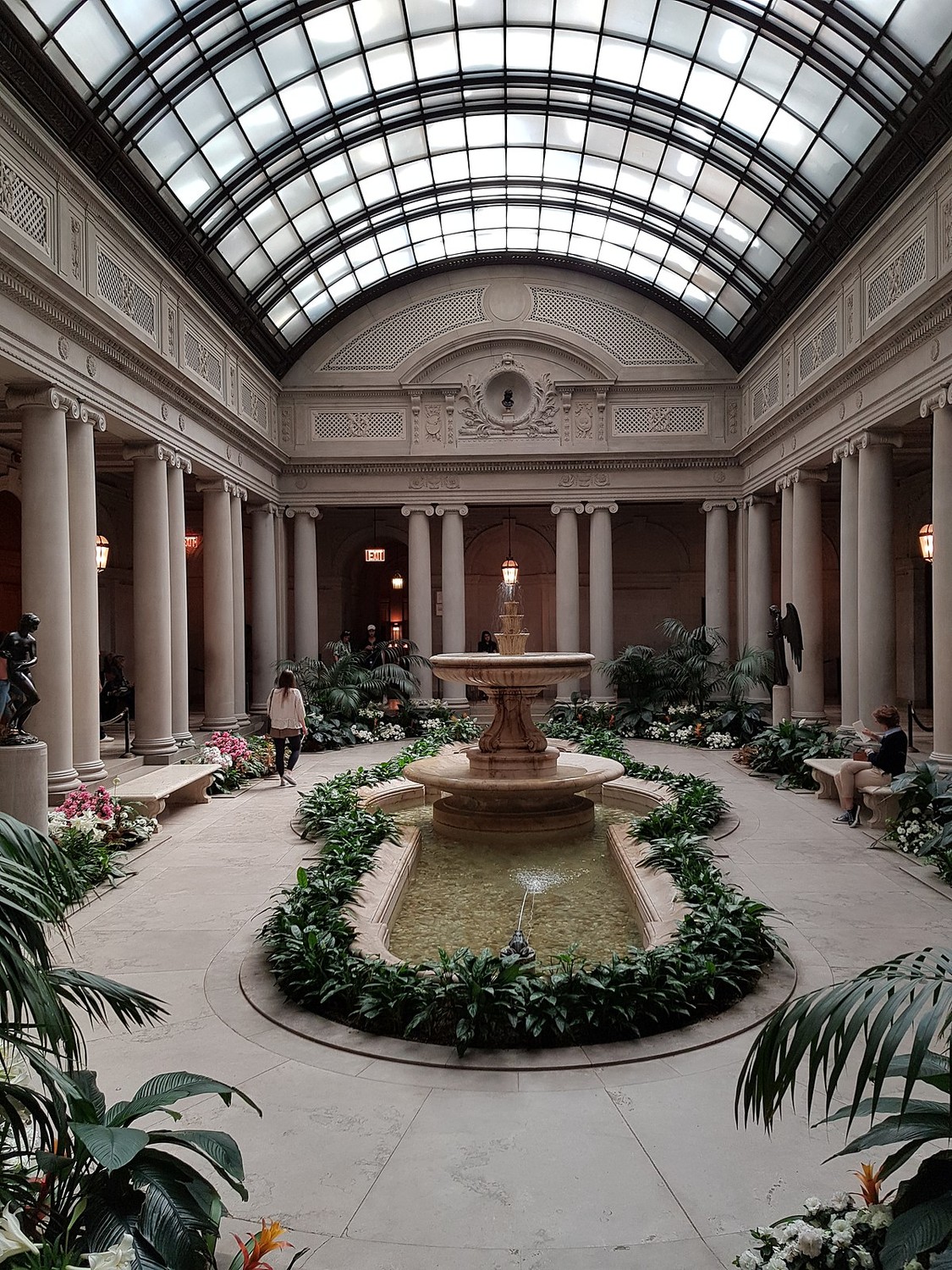




A Gilded Age Sanctuary
To step across the threshold of The Frick Collection is to leave the frantic pulse of Manhattan behind and enter a carefully preserved dream of another era. Located on the Upper East Side, this singular institution serves as a profound testament to the power of artistic patronage and the enduring allure of architectural grandeur. Originally conceived as the lavish private residence of the industrial titan Henry Clay Frick , the mansion now functions as an intimate sanctuary where history breathes alongside masterpieces. Unlike the cavernous, often impersonal halls of larger museums, The Frick offers a sense of domesticity and quietude, inviting visitors to experience art not merely as observed objects, but as vital components of a lived environment. It is a place where beauty is meant to be actively absorbed, fostering a deep, contemplative connection between the viewer and the canvas.
The architectural setting is as much a masterpiece as the paintings it houses. Designed by Thomas Hastings , the Beaux-Arts mansion exudes an understated elegance that balances monumental form with intimate function. The interior spaces, particularly the Great Hall, are bathed in natural light that dances across ornate plasterwork ceilings and richly patterned parquet floors. This deliberate architectural rhythm guides visitors through interconnected rooms that feel more like private salons than traditional galleries. Every detail, from the gilded medallions to the seamless flow between the three wings of the mansion, was designed to foster an atmosphere of grace and contemplation. For the collector or designer, these spaces represent the pinnacle of European fine and decorative arts, embodying a standard of quality that remains unsurpassed.
A Masterful Dialogue of Masterpieces
The collection itself is a masterfully curated dialogue across centuries, prioritizing works from the Renaissance through the late nineteenth century. Within these walls, the interplay of light and shadow takes on a visceral quality; one can witness the dramatic chiaroscuro of Rembrandt’s self-portraits, which offer haunting glimpses into the artist's very psyche. The museum’s strength lies in its ability to present profound human truths through varying lenses, from the breathtakingly precise domestic scenes of Vermeer —such as the tender "Officer and Laughing Girl" —to the psychological intensity of Goya . In works like "Saturn Devouring His Son," the collection confronts the viewer with the darker, more turbulent currents of the Romantic era.
The narrative of the collection is remarkably cohesive, reflecting a deliberate evolution of artistic ideals and techniques. Visitors may find themselves moved by:
- Giovanni Bellini's "St. Francis in Meditation," a luminous panel that establishes a theme of spiritual contemplation.
- Jean-Honoré Fragonard’s "The Swing," which injects a dose of playful Rococo charm into the experience.
- The elegant depictions of English society by Gainsborough , capturing aristocratic grace and social nuance with remarkable precision.