


A Sanctuary of Slovene Identity
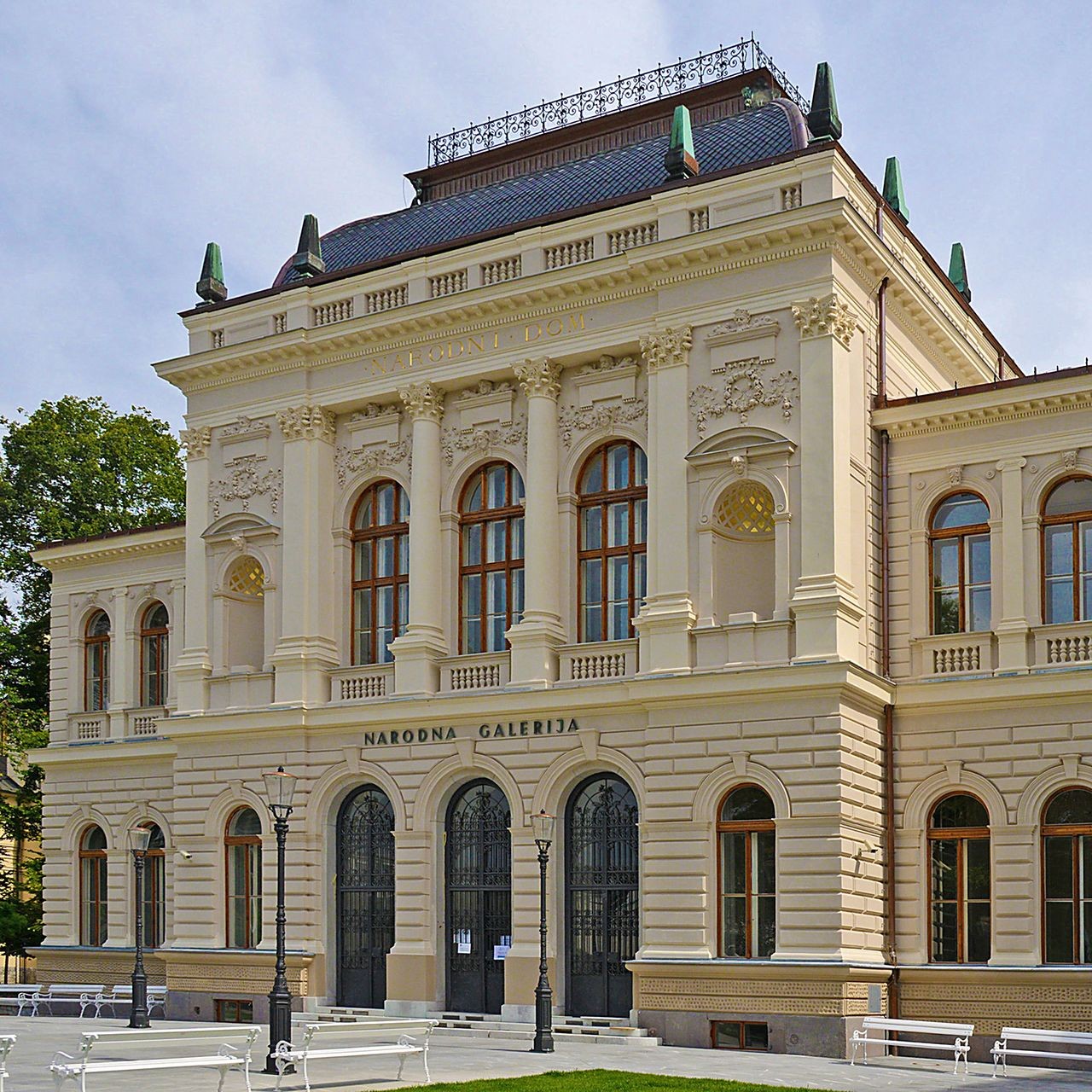
In the heart of Ljubljana, where the pulse of the city meets the quiet reverence of history, stands the National Gallery of Slovenia —a sanctuary that breathes life into the very soul of a nation. This institution was born from a singular, noble ambition: to safeguard and celebrate the aesthetic heritage of the Slovene people. To walk through its doors is to embark on a temporal journey, moving seamlessly from the spiritual depths of the Middle Ages to the vibrant, experimental energies of the early twentieth century. It is not merely a repository for objects, but a living narrative of a culture asserting its presence within the grand tapestry of Europe.
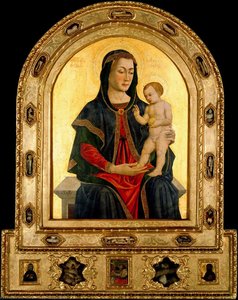
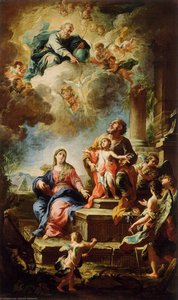
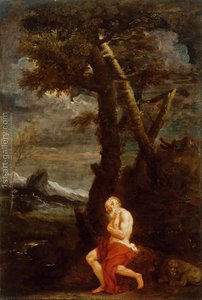
The collection itself is a breathtaking mosaic of human creativity, spanning nearly a millennium of artistic evolution. Visitors are greeted by the profound stillness of Gothic sculptures and medieval paintings that evoke a sense of divine mystery, only to find themselves swept into the theatrical splendor of the Baroque era. The halls hold treasures that bridge local traditions with broader European movements, featuring works by masters such as Hans Holbein the Younger and Édouard Manet alongside the quintessential voices of Slovene art. One cannot help but be moved by the emotive landscapes of Ivan Grohar or the delicate mastery of Ivana Kobilca , whose brushstrokes capture the light and spirit of the Slovenian landscape with an intimacy that feels both timeless and deeply personal.
Architectural Dialogue and Artistic Light
The architecture of the gallery serves as a magnificent dialogue between tradition and modernity, mirroring the very history it preserves. The original structure, designed in 1896 by the Czech architect František Edmund Škabrout , was envisioned as a grand cultural beacon for Ljubljana, drawing inspiration from the prestigious National Theatre in Prague. This classical elegance was later harmonized with a visionary expansion by Edvard Ravnikar in 1993, creating a seamless transition between historical weight and contemporary lightness. The addition of a magnificent dome in 2001 further transformed the space, bathing the galleries in a soft, natural luminescence that enhances the depth of every pigment and the tactile quality of every sculpture.
For the collector or the lover of fine art, these works offer a rare glimpse into the nuanced textures and shifting palettes that define a national aesthetic. The museum's environment provides an inspiring backdrop for interior designers and aesthetes alike, offering a setting where light and form coalesce to elevate the viewing experience. Beyond its permanent treasures, the institution remains a dynamic epicenter of contemporary thought through its rotating exhibitions and educational endeavors. By hosting international dialogues and showcasing modern Slovenian artists, it ensures that art remains a living, breathing force rather than a relic of the past.
Treasures of the Permanent Collection
The breadth of the collection offers an unparalleled look at the evolution of European and Slovene plastic arts. Within its walls, one can discover:
- Sacred Art: Profound works from the High Middle Ages that speak to the spiritual foundations of the region.
- Baroque Splendor: Masterful creations by artists such as Gregorio Lazzarini and Giulio Quaglio .
- Biedermeier and Neoclassicism: Refined portraits by Jože Tominc and the neoclassical paintings of Franc Kavčič .
- Realism and Impressionism: The evocative realism of Janez and Jurij Šubic , alongside the luminous impressionist works of Rihard Jakopič and Matija Jama .
- Modernist Legacies: A permanent exhibition dedicated to Zoran Mušič , one of the leading European modernist painters of the twentieth century.