

A Pioneer of Modernity: The Soul of Turin’s Artistic Evolution
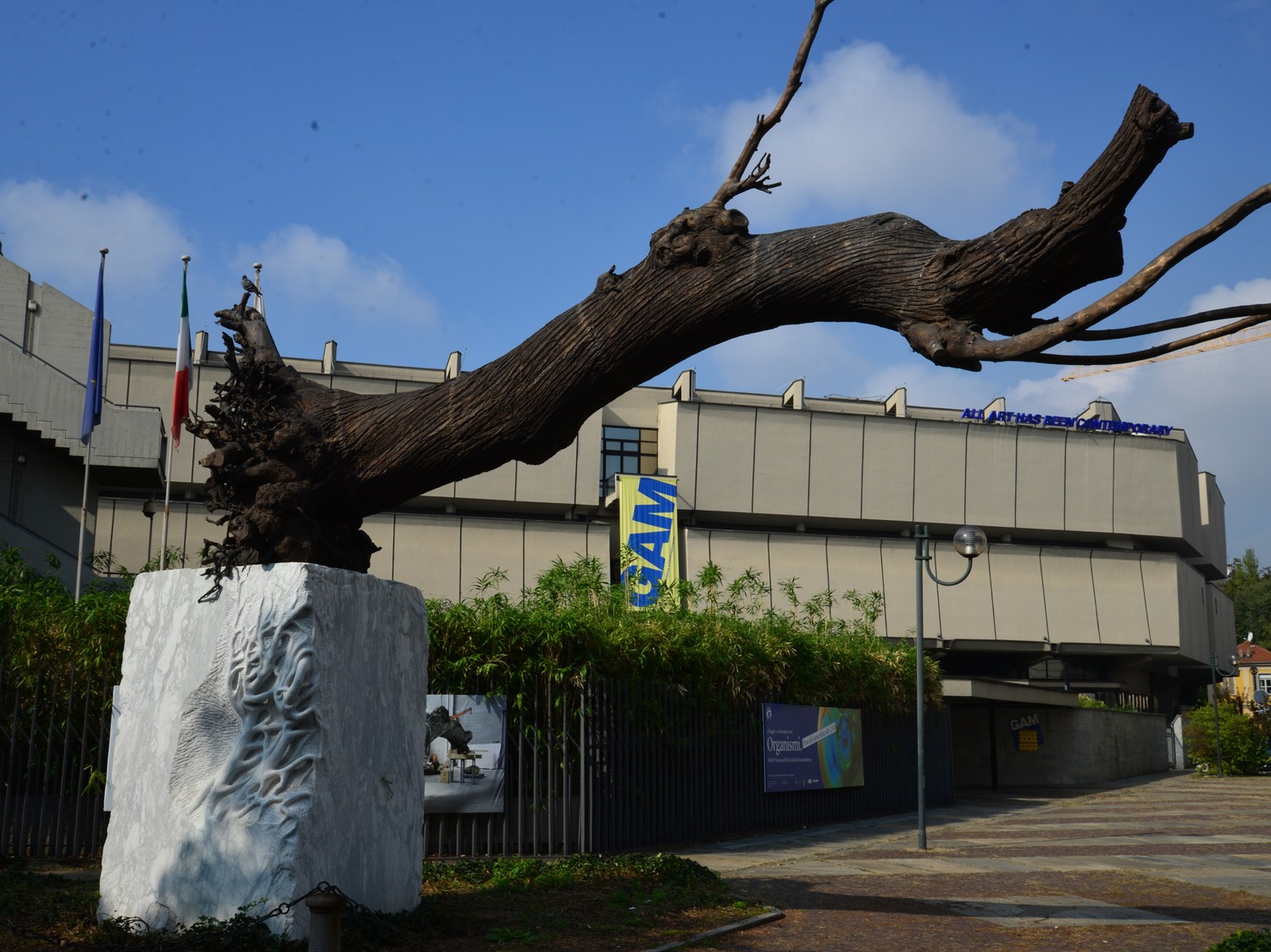
In the heart of Turin, a city defined by its regal heritage and industrial precision, lies a cultural sanctuary that serves as a living chronicle of Italy’s transformative journey through the modern era. The Galleria Civica d'Arte Moderna e Contemporanea is far more than a mere repository for masterpieces; it is a profound testament to the nation’s early embrace of artistic evolution. As the oldest institution in Italy dedicated specifically to modern art, it has spent over a century championing emerging talents and navigating the tumultuous currents of the 19th, 20th, and 21st centuries. To walk through its halls is to witness the very pulse of innovation, where every corridor offers a new perspective on the shifting boundaries of the human imagination.
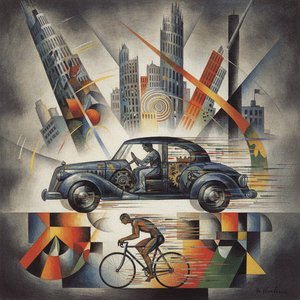
The museum’s strength lies in its unparalleled ability to capture pivotal moments in art history, most notably through its world-renowned collection of Futurism . Here, the air seems charged with the technological fervor and kinetic energy that defined early 20th-century Italy. Visitors can trace the movement's radical trajectory from its initial manifestos to its explosive explorations of speed, machinery, and the frantic rhythm of modern life. The canvases of artists like Umberto Boccioni and Giacomo Balla vibrate with fractured perspectives and a deliberate rejection of academic tradition, offering an immersive experience that pulls the viewer into a world of motion and light.
A Dialogue Between Materiality and Global Mastery
Beyond the dynamic energy of the Futurists, the collection offers a deeply resonant encounter with Arte Povera , the post-war movement that sought to redefine art through the use of humble, everyday materials. In the works of Mario Merz and Giorge Penone , one finds a raw, tactile authenticity; sculptures crafted from earth, wood, metal, and fabric challenge our conventional notions of value and invite a contemplative dialogue between humanity and the natural world. This profound exploration of materiality is beautifully balanced by the museum's inclusion of international masters, creating a sophisticated dialogue between Italian identity and global trends.
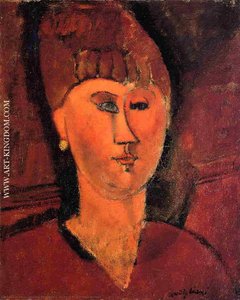
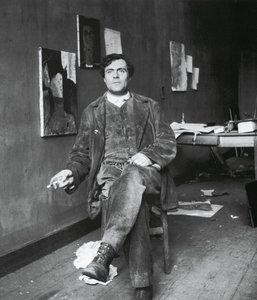
The collection invites collectors and designers alike to lose themselves in the haunting elegance of Amedeo Modigliani , the transformative power of Pablo Picasso , the pop-culture provocations of Andy Warhol , and the spatial revolutions of Lucio Fontana , whose mirrored canvases push the very boundaries of reality. The museum’s physical presence is as much a work of art as the treasures it houses. The current structure, a masterpiece of modern architecture, embodies the principles of rationalism and functionalism. Designed by the legendary Giuseppe Terragni and Ernesto Nervi , the building prioritizes clarity and simplicity, creating an environment where the architecture recedes to allow the art to breathe. The soaring atrium, bathed in a soft, natural light, serves as a luminous focal point for contemplation.
A Living Institution of Constant Movement
What truly distinguishes this institution is its refusal to remain static. It is a place of constant movement, characterized by a dynamic programming schedule that includes thematic exhibitions ranging from Surrealism to Conceptual Art . The museum has famously reorganized its collection around evocative themes such as:
- Infinity, Speed, Ethics and Nature
- Views, Genres, Childhood and Mirroring
Through workshops, lectures, and collaborative projects with contemporary curators, the institution ensures it remains at the forefront of artistic discourse. For the art lover, the collector, or the designer seeking inspiration, it provides more than just a viewing experience; it provides an invitation to explore the very soul of Turin—a place where history breathes alongside the relentless spirit of creativity.