

A Florentine Cornerstone: The Soul of the Renaissance
Florence, a city steeped in Renaissance grandeur, proudly enshrines within its heart an unparalleled treasure—the Galleria dell’Accademia di Firenze. Established in 1784 by Pietro Leopoldo, this institution was not initially conceived as the expansive museum it is today; rather, it emerged as a heartfelt tribute to Florentine artistry, specifically dedicated to showcasing Michelangelo’s monumental sculptures. Over centuries of evolution, it has blossomed into an indispensable pilgrimage site for art enthusiasts globally, offering an intimate immersion into the world of Renaissance masters—a space where history breathes alongside artistic brilliance. The very building itself whispers tales of bygone eras; its elegant neoclassical architecture provides a serene backdrop to the masterpieces housed within, meticulously designed to amplify contemplation and appreciation. Standing as a testament to Florence’s enduring legacy as a cradle of creativity and innovation, it embodies the spirit of intellectual curiosity and artistic patronage that defined the Enlightenment.
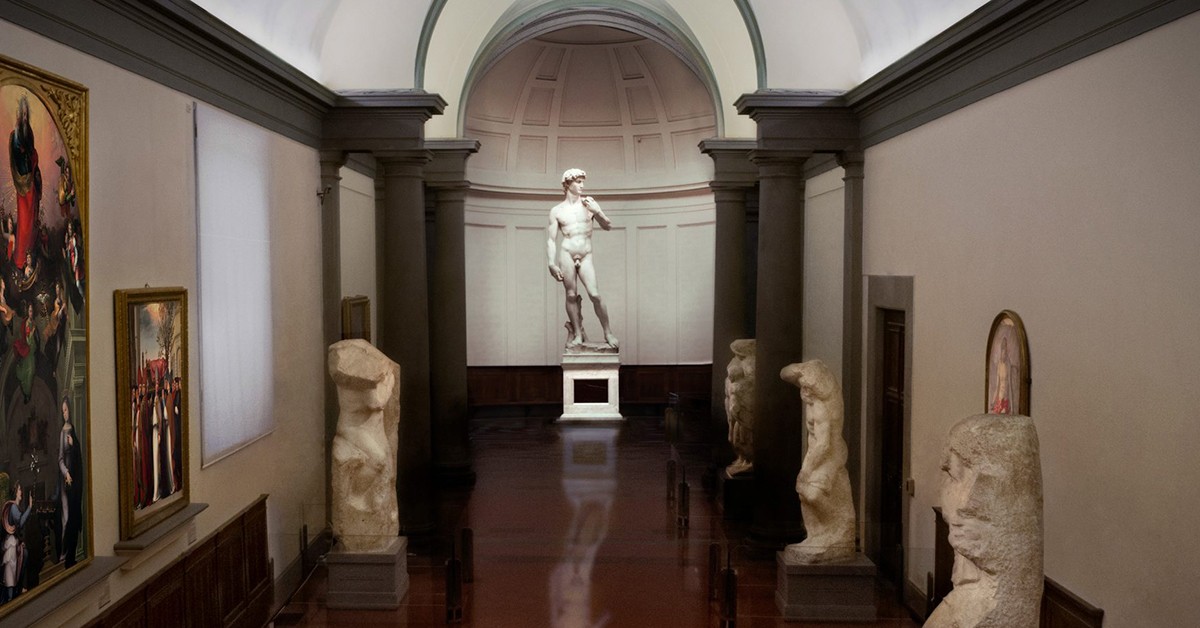
Undoubtedly, no discussion of the Galleria dell’Accademia is complete without acknowledging its most iconic inhabitant: David . This colossal marble sculpture—a symbol not merely of Florentine identity but also of human potential itself—dominates the hall with an undeniable presence. The sheer scale and anatomical precision are breathtaking, capturing a moment poised before confrontation—a testament to Michelangelo’s unparalleled skill and his profound understanding of the human form. More than just a statue; it is imbued with symbolic significance, representing Florentine republican ideals and embodying the humanist spirit that characterized Renaissance thought. Alongside David , visitors encounter Michelangelo’s unfinished Slaves ( Prigioni )—a poignant glimpse into the artist’s creative process—the struggle to liberate form from stone. These fragmented figures, seemingly straining against their marble confines, evoke a visceral response, conveying raw vulnerability and unwavering determination.
A Tapestry of Artistic Heritage and Global Echoes
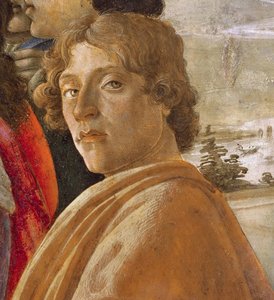
Delving deeper into the Galleria’s narrative reveals a broader panorama of artistic heritage that transcends the borders of Tuscany. The collection extends far beyond Michelangelo's sculptures, encompassing paintings by Florentine masters spanning from the 1300s to the 1600s. Botticelli’s delicate beauty and Ghirlandaio’s frescoes depicting biblical scenes exemplify the mastery of tempera paint—a technique favored during this period—while Andrea del Sarto's portraits reveal a masterful use of chiaroscuro , creating dramatic contrasts of light and shadow that heighten visual impact. Notably, the museum houses an impressive assemblage of Russian icons—a striking juxtaposition against the Italian canvases—offering insight into Eastern Orthodox artistic traditions distinct from Western European styles. These vibrant images, characterized by rich colors and stylized depictions, reflect spiritual beliefs rooted in Byzantine iconography and convey profound theological themes.
The museum's curation fosters a holistic appreciation for art history by providing crucial context through Gothic paintings, which demonstrate the foundations upon which later masters built their innovations. This journey through time is further enriched by the presence of exquisite musical instruments—primarily harpsichords and clavichords—which reflect Florentine musical life during the Renaissance, serving as a testament to the city's commitment to cultivating intellectual pursuits beyond the visual arts. The Galleria dell’Accademia distinguishes itself through this focused intensity—a deliberate antithesis to larger museums that overwhelm visitors with sheer volume. It offers a curated experience that allows for profound engagement with a specific artistic era, fostering an emotional connection between observer and artwork. For the collector or the designer, the museum stands as a beacon of inspiration, where the spirit of the Renaissance resonates within its walls, inviting all to contemplate the enduring power of human creativity.