
A Renaissance Jewel in Portugal’s Heart
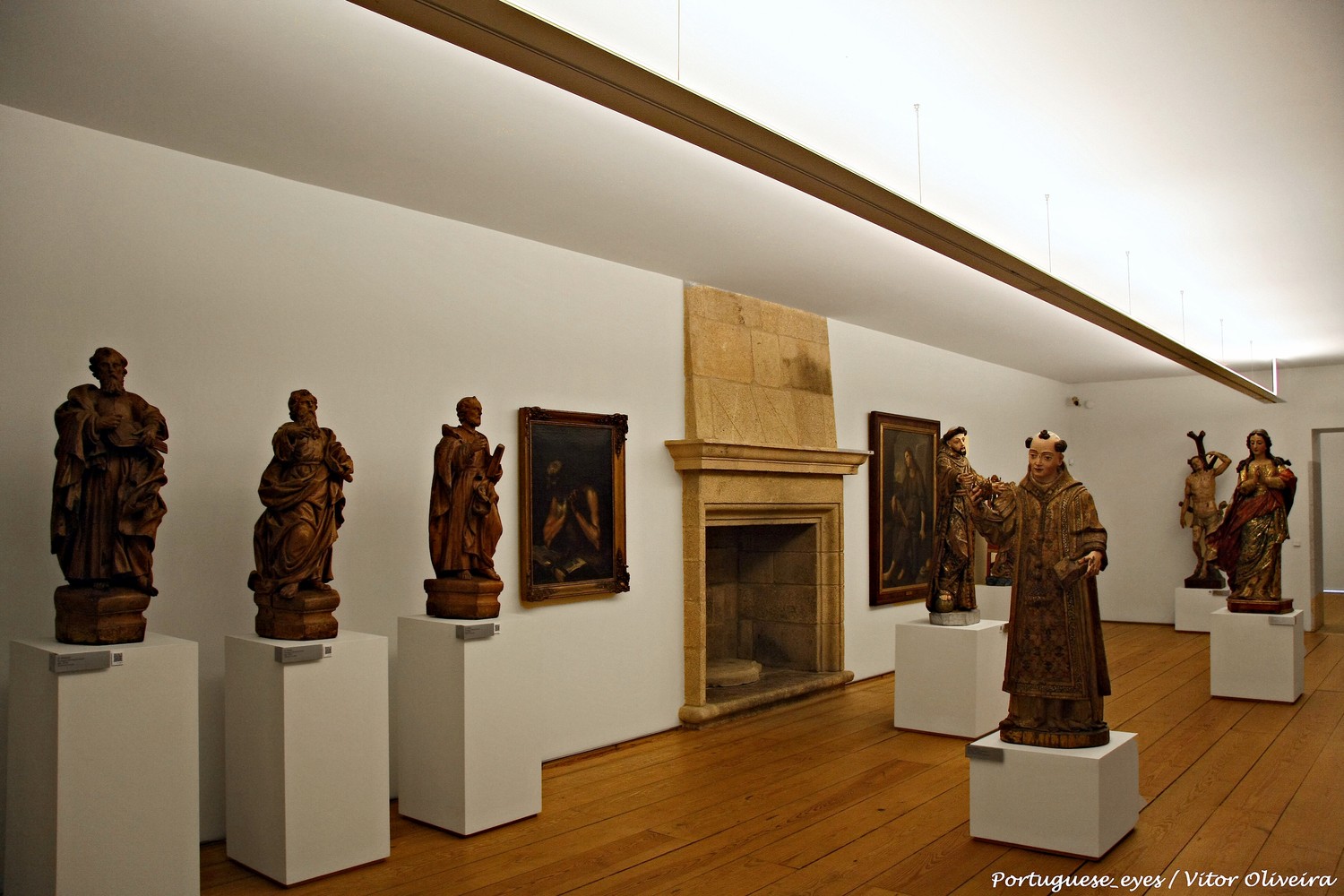
Nestled within the historic city of Viseu, the Grão Vasco National Museum stands as a profound testament to the artistic brilliance of the Portuguese Renaissance. More than just a repository for paintings and sculptures, it offers an immersive journey into a pivotal period of cultural and religious transformation. The museum’s very existence is a tribute to the preservation of Portugal's spiritual and aesthetic past, centered around the life and work of Vasco Fernandes —known to history as Grão Vasco, or “The Great Vasco.”
The building itself serves as a silent protagonist in this historical narrative; originally constructed as part of the Old Seminary in the late 16th century, its Mannerist architecture exudes a quiet grandeur. Through modern renovations spearheaded by the renowned architect Eduardo Souto de Moura, the museum achieves a seamless blend of old and new, creating an atmosphere where history breathes alongside contemporary sensibilities, inviting visitors to step into a living chronicle of art.
Masterpieces of Faith and Technique
At the heart of the museum's allure lies its exceptional collection of paintings, primarily monumental altarpieces commissioned for Viseu Cathedral and various regional churches during the 16th century. These are not merely devotional images but powerful expressions of faith, artistry, and societal values. Grão Vasco’s influence is pervasive throughout the galleries, his distinctive style characterized by a masterful use of color, dramatic compositions, and an uncanny ability to imbue religious figures with both solemnity and human emotion.
The collection is punctuated by masterpieces that demand deep contemplation and emotional engagement:
- Saint Peter : Painted around 1529, this work transcends its original function as an altarpiece component to become a powerful portrait of authority and spiritual conviction. Rendered with breathtaking detail, the painting utilizes light and shadow to reveal layers of meaning, from the symbolic Keys to Heaven to the distant, intricate scenes depicting pivotal moments in the saint's life.
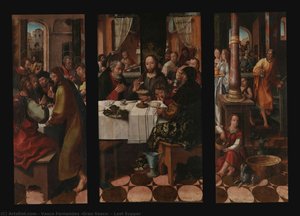
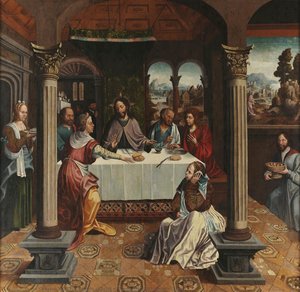
- The Last Supper : Created around 1535-1540, this monumental triptych is a profound exploration of human emotion and the weight of betrayal, serving as a timeless meditation on faith, guilt, and the complexities of human relationships.
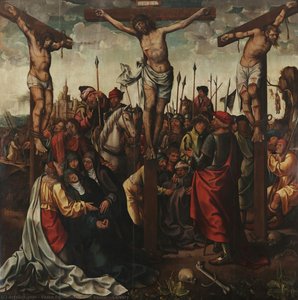
- Calvary : A monumental, Flemish-influenced masterpiece from 1530, capturing profound sorrow and spiritual grandeur through a meticulously layered narrative where the terrestrial and the divine meet.
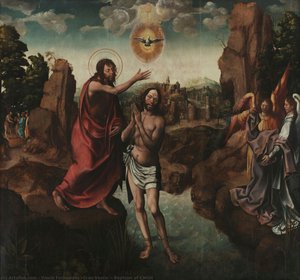
- Baptism of Christ : A captivating example of the era's ability to blend masterful composition with emotive, monumental figures, showcasing the genesis of Christ's ministry.
A Singular Dedication to the Portuguese Soul
What truly sets the Grão Vasco National Museum apart is its singular, unwavering focus. Unlike larger institutions that attempt to span centuries of diverse art, this museum maintains an intimate and unparalleled depth of exploration into the Renaissance period and the legacy of its namesake. This dedication allows for a nuanced understanding of technique, symbolism, and historical context that is rare in the modern museum landscape.
For the art lover, the collector, or the designer seeking inspiration, the museum offers more than just a viewing experience; it provides a profound connection to an era where craftsmanship and faith were inextricably linked. It remains a destination where the architectural harmony of the Old Seminary meets the enduring brilliance of the Portuguese Renaissance, safeguarding a vital part of national identity for generations to come.