



A Singular Canvas of Time: Where Roman Echoes Meet Victorian Grandeur
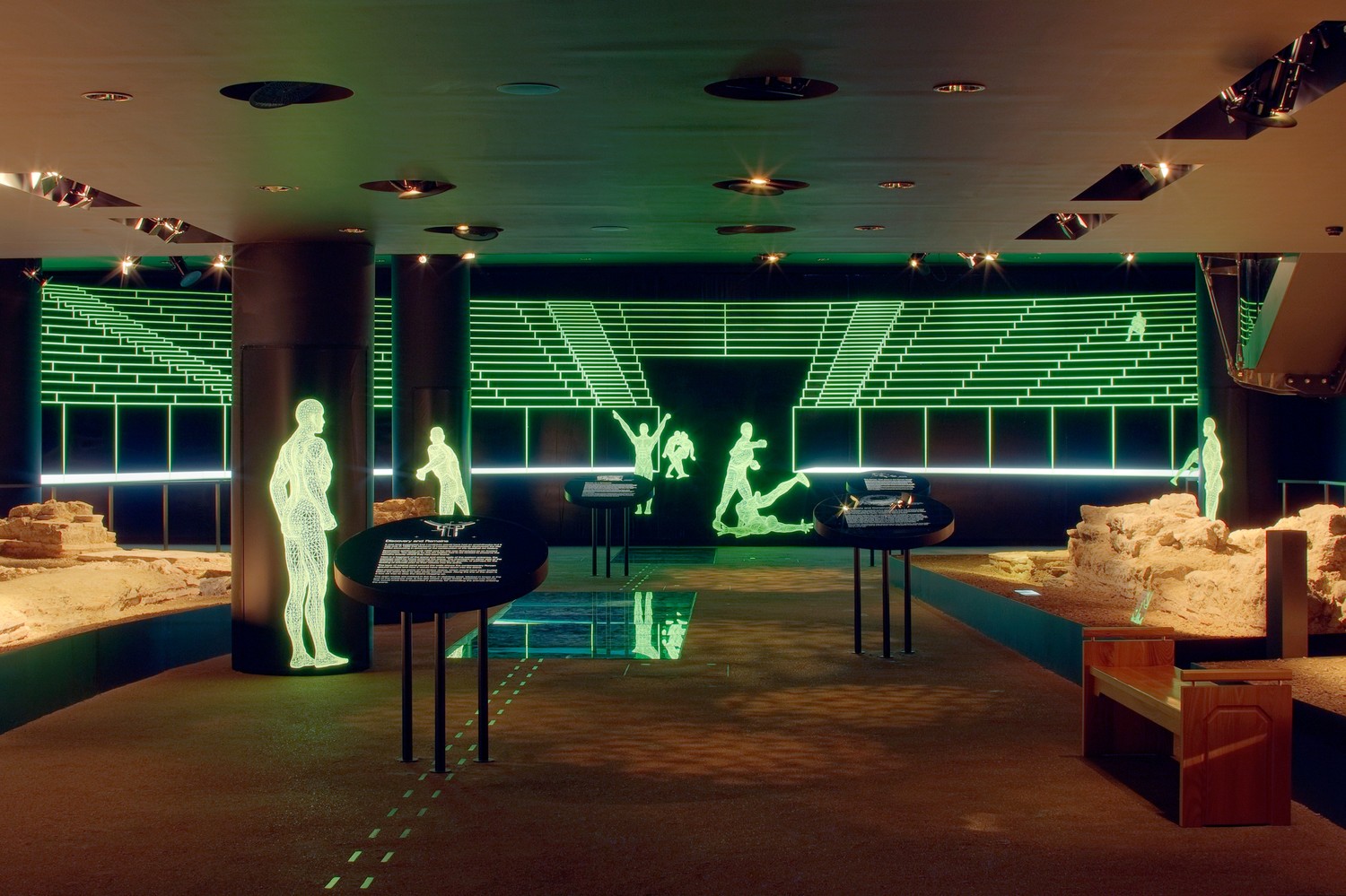
To step into the Guildhall Art Gallery - London's Roman Amphitheatre is to enter a profound dialogue between the ancient foundations of London and the opulent flourishes of the Victorian era. Located within the venerable heart of the City of London, this institution offers far more than a mere exhibition of canvases; it provides an immersive journey through the layers of British history. The gallery’s very architecture serves as a silent narrator, where the modern, postmodern design by Richard Gilbert Scott meets the tangible remnants of the past. Most strikingly, the site is built upon the excavated ruins of London's largest Roman amphitheatre, discovered in 1988. As visitors wander through the courtyard, the subtle markings on the paving trace the outline of this ancient arena, allowing one to feel the pulse of a Roman settlement beneath the feet of a contemporary metropolis.
The architecture itself is a masterclass in historical synthesis. The building is constructed in a stone, semi-Gothic style intended to be sympathetic to the historic Guildhall, which is adjacent and connected internally. This structural harmony allows for a seamless transition between the archaeological wonder of the Roman remains—some of which are displayed in situ in a room in the basement—and the sophisticated art spaces above. For the architecture enthusiast or the interior designer, the way the modern design cradles these ancient fragments offers a rare lesson in how to integrate heritage with contemporary elegance.
The Soul of the Collection: Victorian Mastery and Narrative Depth
The heart of the collection resides in its magnificent assemblage of Victorian paintings, a period characterized by unparalleled artistic ambition and social transformation. These works serve as luminous windows into a bygone age, capturing the rhythmic energy of London’s evolving cityscape with meticulous detail. Collectors and art enthusiasts will find themselves captivated by the atmospheric nocturnal scenes of artists such as John Atkinson Grimshaw , whose mastery of light and shadow evokes a sense of romantic mystery. Alongside these, the works of Albert Brumley offer a glimpse into the theatricality and industrial progress of the era, portraying aristocratic elegance and the bustling vitality of London life.
The collection is enriched by significant historical bequests that have shaped its character, most notably the 1902 donation from Charles Gassiot , which brought over a hundred paintings to the gallery. This influx bolstered the holdings with works by masters such as:
- John Singleton Copley , whose monumental painting depicting The Defeat of the Floating Batteries at Gibraltar commands attention in the entrance hall;
- John Everett Millais , a central figure in the Pre-Raphaelite movement;
- James Tissot , known for his exquisite depictions of social life;
- Clarkson Stanfield and David Roberts , whose works contribute to the gallery's rich narrative of history and landscape.
Beyond its permanent treasures, the institution distinguishes itself through a commitment to uncovering hidden narratives of British art. Through showcases like the "London Landscapes" exhibition, the gallery celebrates the city's resilience and aesthetic evolution. This dedication to educational engagement—through insightful lectures and interactive tours—fosters a deep, intellectual connection between the public and the masterpieces on display. It remains a place where the weight of Roman history provides a foundation for the delicate brushstrokes of the Victorian masters, creating a continuous loop of culture, memory, and artistic triumph.