
A Tapestry of Natural and Human History
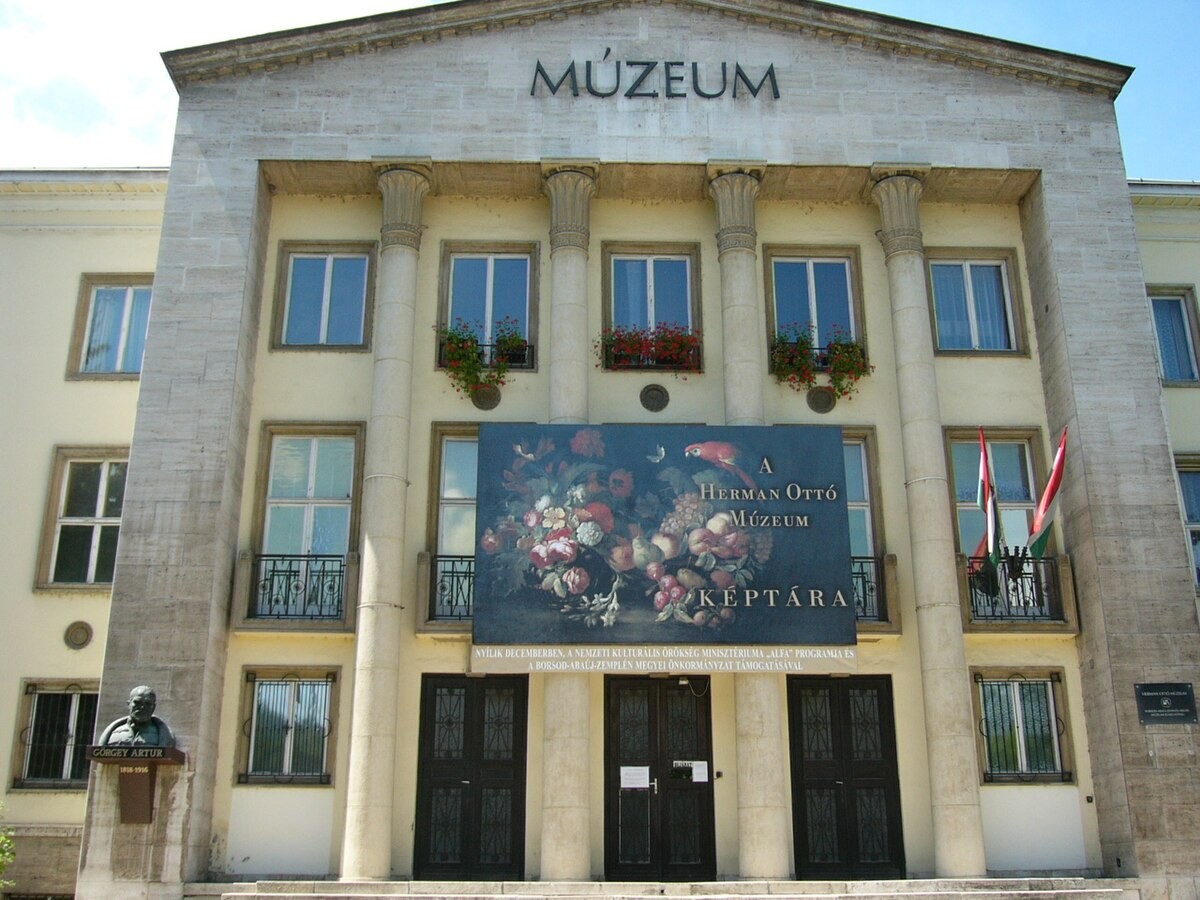
Nestled in the heart of Miskolc, Hungary, the Herman Ottó Museum stands as a profound sanctuary for those who seek to understand the intricate layers of our world. It is not merely a repository of objects but a sprawling narrative that weaves together the threads of archaeology, mineralogy, arts, history, and ethnography. The museum’s identity is deeply intertwined with the legacy of its namesake, Ottó Herman , a true polymath whose passion for natural history research and ornithology continues to resonate through the halls. Visitors are invited to wander through a collection that spans vast epochs, from the ancient traces of human civilization to the geological secrets held within the earth itself.
The museum’s presence is felt across several significant sites, each offering a unique window into the heritage of the Borsod-Abaúj-Zemplén region. The historic building near Erzsébet square serves as a cornerstone for mineralogical wonders, while the main building on Görgey street houses an expansive arts collection and a library that breathes life into the past. This multifaceted approach to curation ensures that every corner of the institution offers a new discovery, making it a vital destination for scholars and art enthusiasts alike.
The Wonders of the Pannonian Sea
One of the most enchanting dimensions of the museum is the Pannonian Sea Museum , a specialized realm that transports guests back to a time of primeval forests and ancient waters. Here, the atmosphere shifts to one of prehistoric mystery, where the echoes of the Miocene epoch are still palpable. The exhibition titled “On the paths of a primeval forest — The swamp cypress forest of Bükkábrány and its era” offers an immersive journey through a landscape that existed millions of years ago. It is a place where science meets storytelling, allowing visitors to walk among the shadows of 7 million-year-old swamp cypresses.
The collection within this specialized wing is nothing short of extraordinary, featuring:
- Fossils of prehistoric animals and plants that illuminate the biological evolution of the region.
- Rudapithecus fossils , which provide a breathtaking glimpse into the very beginnings of human evolution.
- Geological treasures from the Pannonian Sea, including raw materials from the Miocene epoch.
- The Minerals of the Carpathians , a stunning selection drawn from one of the largest mineralogical collections in Hungary.
For the interior designer or the collector of knowledge, the museum represents an unparalleled source of inspiration. The interplay between the rugged beauty of natural minerals and the delicate artistry of ethnographic treasures creates a sensory experience that is both educational and aesthetically profound. It remains a unique cultural landmark where the geological pulse of the earth meets the enduring spirit of human creativity.


