


A Gateway of Salt and Silk: The Soul of the Hong Kong Maritime Museum
To step into the Hong Kong Maritime Museum is to surrender oneself to the rhythmic pulse of Victoria Harbour, where the boundary between the city’s concrete skyline and the liquid expanse of the South China Sea begins to dissolve. This is not merely a repository for nautical relics; it is a profound narrative of human ambition, etched in wood, iron, and salt. As one wanders through its galleries, there is an immediate sense of being caught in a temporal slipstream, where the ancient traditions of the Pearl River Delta meet the relentless momentum of global modernity. The museum serves as a vital bridge, connecting the storied past of East-West trade routes with the contemporary maritime identity of a city that has always defined itself by its relationship with the tides.
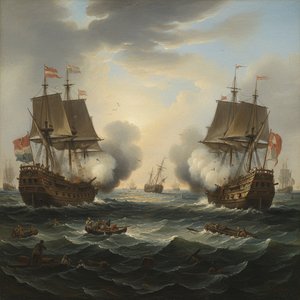
The collection itself is a masterclass in historical storytelling, offering a sensory journey through the evolution of seafaring. One might find themselves mesmerized by the intricate silhouettes of exquisitely crafted ship models—ghostly vessels that evoke the daring spirit of early explorers and the technological leaps of naval architecture. These artifacts do more than demonstrate craftsmanship; they embody the ingenuity required to navigate uncharted waters. Beyond the technical, the museum delves into the darker, more romantic shadows of maritime lore, particularly through the legendary exploits of the pirate Cheung Po Tsai . Through period clothing, navigational instruments, and rare maritime artifacts, the curators breathe life into the rebellious tales of those who once commanded the waves, transforming academic history into a gripping saga of conflict and opportunity.
Architectural Transparency and the Living Harbour
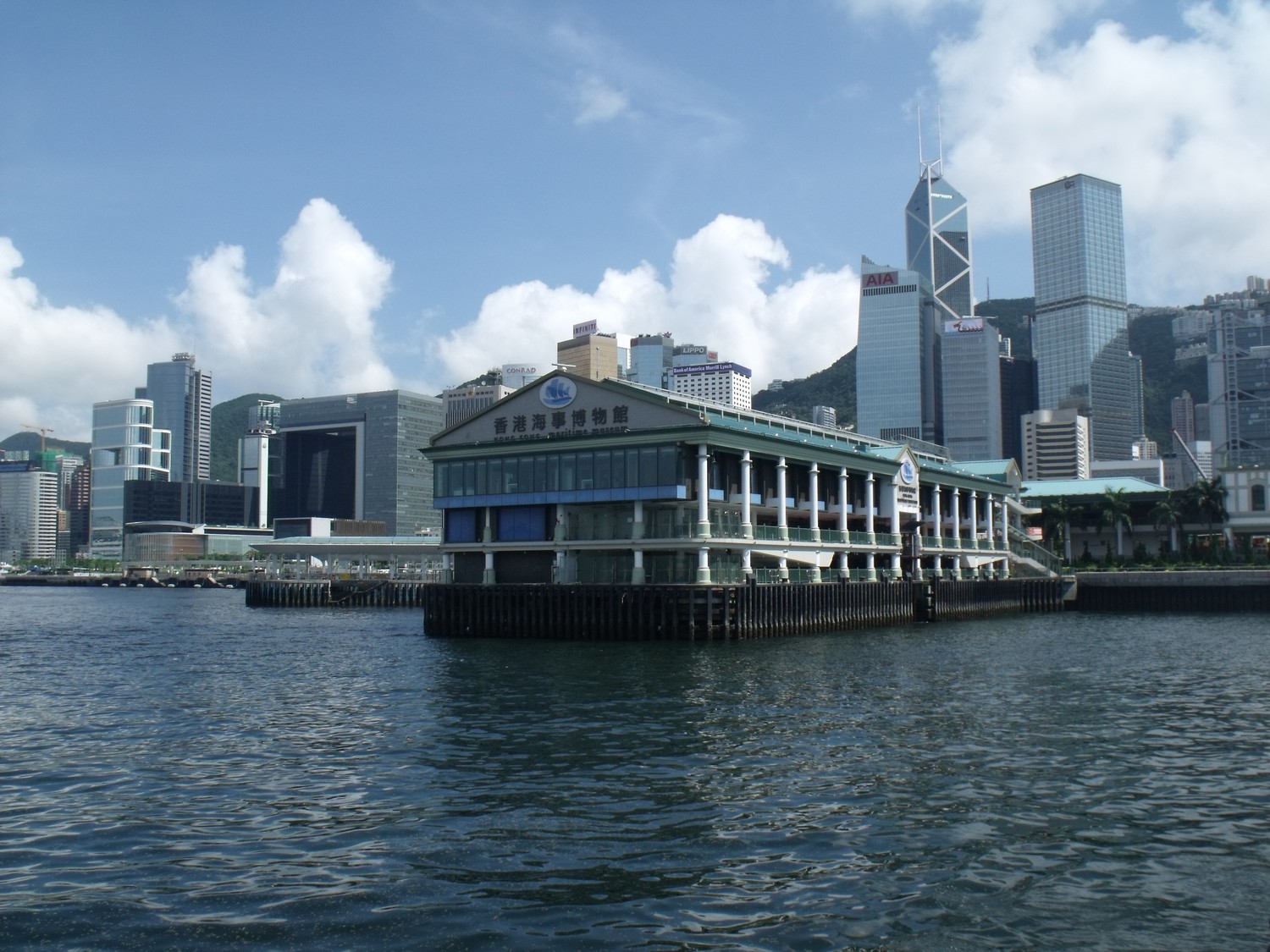
The architecture of the museum is as much a part of the experience as the exhibits themselves. Situated at Pier 8 of the Central Harbour Waterfront , the structure is a triumph of contemporary design that honors its historical roots. Designed by P&T Architects and Engineers , the space utilizes expansive glass walls to frame panoramic vistas of the harbour, ensuring that the sea remains a constant, living protagonist in every gallery. This deliberate transparency allows the natural light to dance across the displays, mirroring the shimmering surface of the water outside. It is a space where the built environment pays homage to the maritime heritage it protects, creating an atmosphere of openness and reflection.
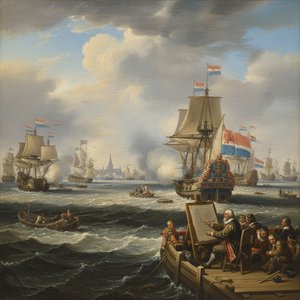
For the discerning art lover or interior designer seeking inspiration, the museum offers a unique aesthetic dialogue between history and fine art. The institution celebrates the profound influence of the sea on creative expression, showcasing works that capture the ephemeral beauty of the maritime landscape. From the evocative seascapes of Nam Cheong to the historical documentation found in the journals of explorers like Karl Friedrich August Gützlaff , the museum highlights how the ocean has fueled the imaginations of artists for centuries. This intersection of science, technology, and art creates a rich, multidisciplinary environment, making the Hong Kong Maritime Museum a sanctuary for anyone moved by the enduring, transformative power of the sea.