


A Legacy Etched in Stone and Time
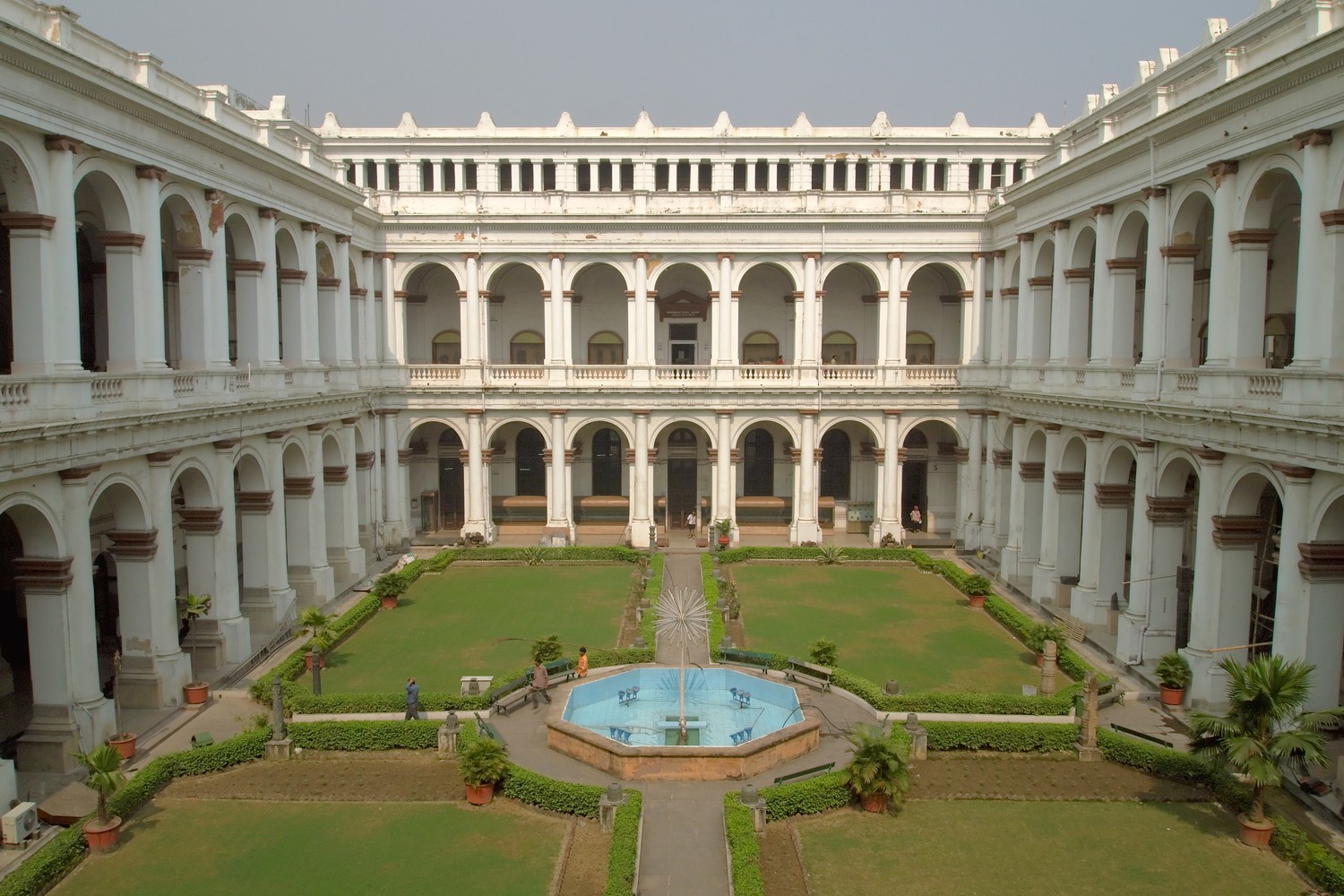
The Indian Museum stands as a monumental testament to Kolkata’s intellectual heritage—a beacon of knowledge illuminating centuries of artistic expression and scientific discovery. Approaching its imposing façade, one is immediately struck by an immediate sense of awe, recognizing the entrance to a space where the echoes of empires resonate alongside the whispers of ancient civilizations. The building itself is a magnificent neo-classical structure designed by William Lawrence Granville in consultation with Sir Thomas Oldham, serving as a deliberate statement of British colonial influence while being seamlessly integrated into the vibrant urban landscape of Kolkata. Constructed primarily from sandstone, its expansive courtyard and soaring ceilings create an atmosphere of profound contemplation, inviting visitors to delve deeper into its vast treasures.
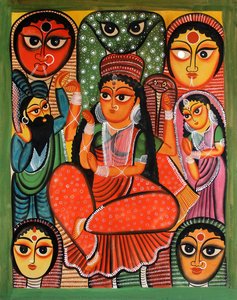
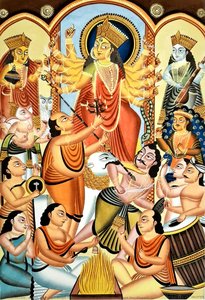
Stepping inside is akin to embarking on an extraordinary journey through time and across continents. The museum encompasses a staggering collection that bridges the gap between the human spirit and the natural world. For the art lover or the collector of history, the archaeological galleries are particularly breathtaking, showcasing relics from the Indus Valley Civilization , exquisite Buddhist sculptures from Bharrut, and intricate Gandharan art that reveals the beautiful confluence of Greek and Indian artistic traditions. Within these halls, one can marvel at terracotta figurines depicting Hindu deities and mythological narratives, providing a vibrant snapshot of ancient beliefs.
A Confluence of Art and Science
Beyond the archaeological wonders, the museum offers global perspectives that transport the soul to distant lands. The Egyptian Gallery , with its remarkably well-preserved mummies and sarcophagi, serves as a captivating reminder of Egypt’s rich cultural heritage and its pivotal role in shaping Western civilization. This journey through human history is beautifully complemented by the wonders of the natural world. The fossil collections—including majestic dinosaur skeletons—offer a window into prehistoric life, while the zoological galleries display an astonishing array of specimens ranging from massive mammals to delicate insects.
For the interior designer or the lover of fine detail, the museum’s ability to blend the scientific with the aesthetic provides endless inspiration. The collection is rich with diverse textures and historical narratives, including:
- Mughal Paintings: Offering a glimpse into the opulent courts and refined aesthetics of India's imperial past.
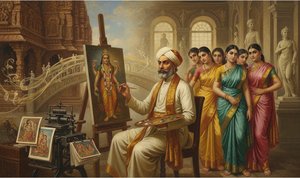
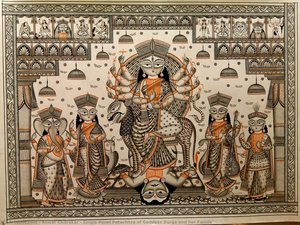
- Masterpieces of Form: Works by artists such as Raja Ravi Varma and Bharat Chandra Bose that capture the grandeur of royal processions and idealized depictions of Hindu deities.
- Ancient Artifacts: A curated selection of armour, ornaments, and antiques that speak to the craftsmanship of bygone eras.
The Indian Museum is not merely a static monument but a living institution that has continually evolved to embrace new technologies and scholarly perspectives. It remains a vital heartbeat of artistic dialogue, where research meets wonder, and where every artifact tells a story of human endurance and creative brilliance.