


A Sanctuary of Visual Splendor
In the heart of the American Midwest, the Institute of Arts stands as a profound testament to the enduring power of human creativity. To wander through its halls is to embark on a journey that transcends time and geography, moving seamlessly from the primal whispers of prehistoric cave paintings to the sophisticated brilliance of Renaissance masterpieces. For the art lover, it offers a profound connection to the past; for the collector, it serves as a benchmark of excellence; and for the interior designer, it provides an endless wellspring of inspiration drawn from the textures, colors, and forms that have defined human history.
The collection is nothing short of breathtaking, boasting over 83,000 artworks that speak across millennia. The Asian Art collection, widely regarded as one of the most comprehensive in the nation, invites a meditative stillness through its magnificent Chinese imperial porcelain and intricately carved jade sculptures. Here, the spiritual serenity of monumental bronze Buddhas meets the delicate artistry of ancient traditions. This global dialogue continues through vibrant African textiles and Latin American treasures, creating a tapestry of human experience that is as diverse as it is deeply moving. Even within the Western canon, the museum holds singular gems, such as Rembrandt van Rijn’s Lucretia , captured in his masterful chiaroscuro style, which depicts a poignant moment of intense gaze and dramatic light.
Architectural Mastery and Modern Dialogue
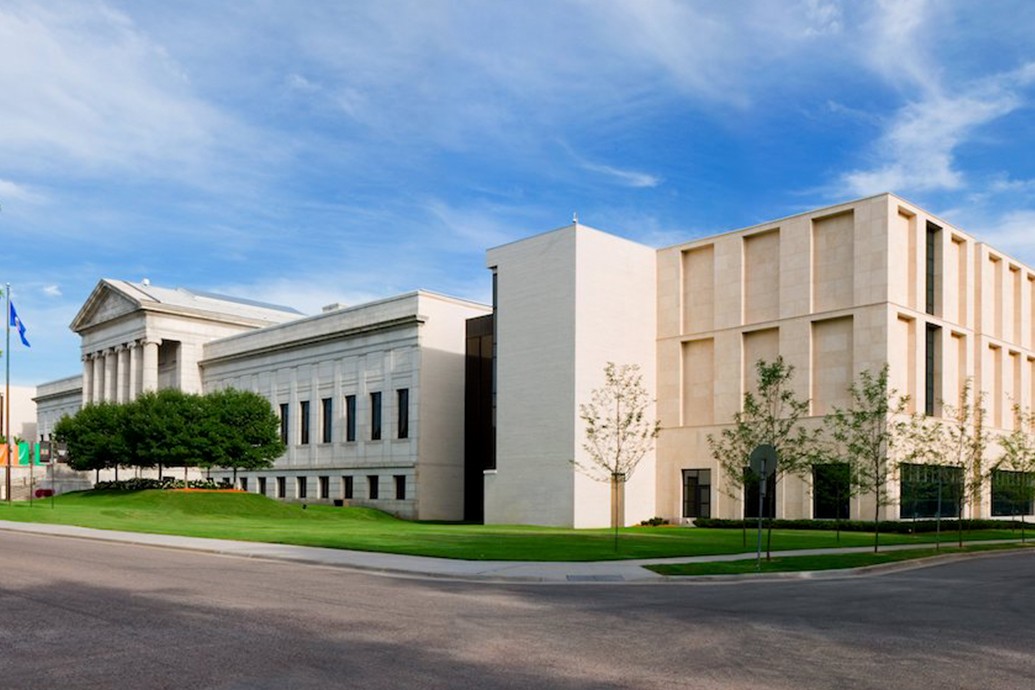
The physical vessel for this immense treasure is itself a work of architectural mastery. The original structure, designed by the legendary firm McKim, Mead & White in 1915, is a triumph of the Beaux-Arts style. Its presence is defined by a sense of monumental grandeur, characterized by symmetrical elegance, soaring columns, and an ornate façade adorned with mythological figures that command respect and inspire awe. As one moves through the interior, the classical weight of the original design meets the thoughtful modernism of later expansions by Kenzo Tange and Michael Graves .
This architectural evolution creates a unique dialogue between tradition and innovation, where neoclassical grandeur harmonizes with minimalist precision, providing a sophisticated backdrop that enhances the contemplative atmosphere of the galleries. This seamless blend of eras ensures that the building is not merely a container for art, but an active participant in the aesthetic experience.
A Living Pulse of Culture
What truly distinguishes the Institute of Arts , however, is its unwavering commitment to accessibility and the living pulse of contemporary culture. It is not merely a repository for the past but a dynamic center for ongoing discovery. Through groundbreaking exhibitions that bridge the gap between historical scholarship and modern social issues, the institution fosters a vital cultural dialogue.
The museum’s impact is felt through various layers of engagement:
- Art Adventure: Programs designed to ensure that the next generation of creators is nurtured.
- Radical Inclusivity: A policy of free general admission that ensures transformative experiences are available to all, regardless of socioeconomic background.
- Global Narrative: A curated experience where five millennia of global history converge within a single, breathtaking space.
It is this rare combination of world-class prestige and radical inclusivity that makes the Institute of Arts a beacon of artistic inspiration, inviting every visitor to find themselves reflected in the infinite mirror of art.