

A Sanctuary of Artistic Vision
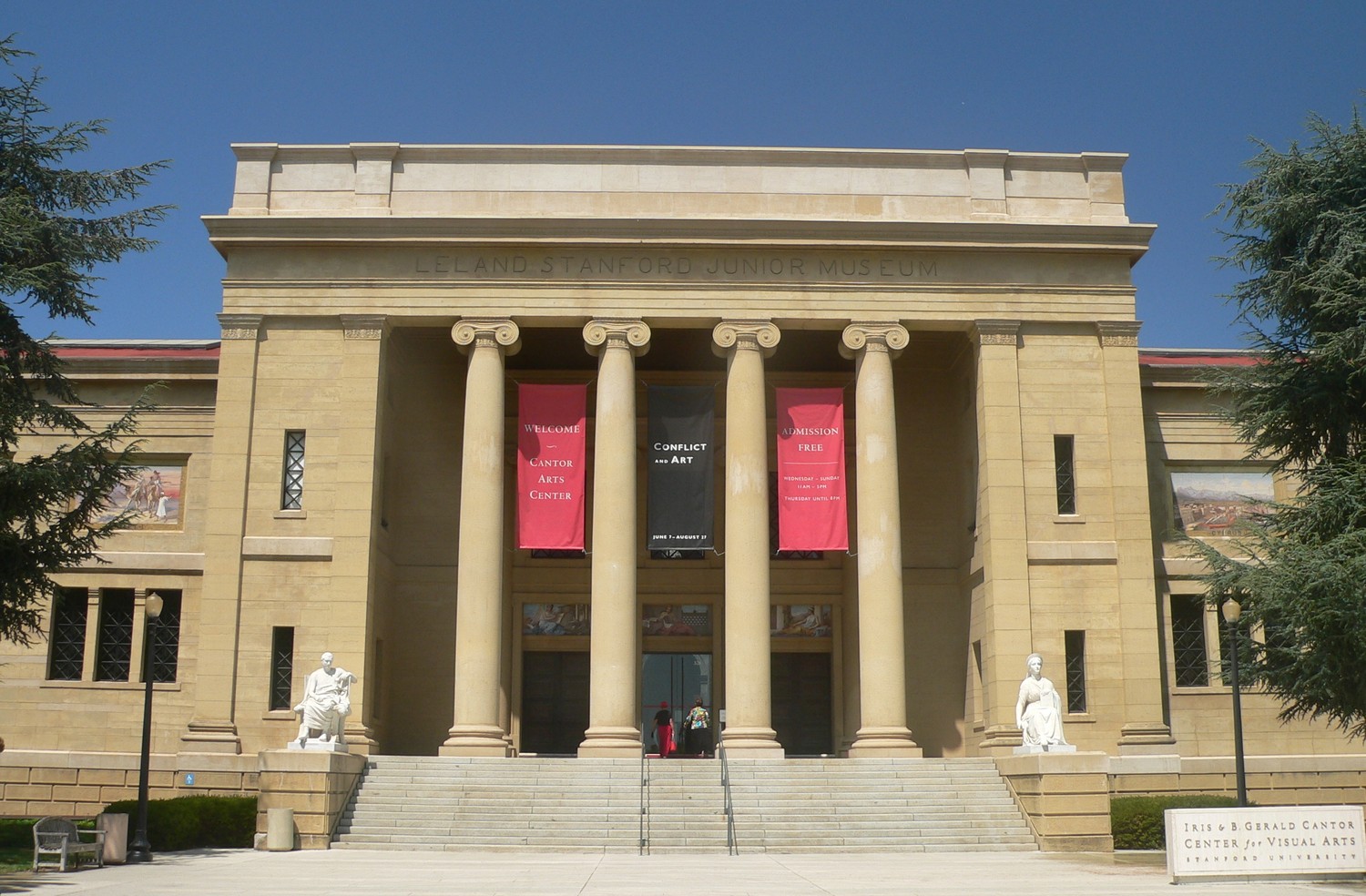
Nestled within the vibrant intellectual landscape of Stanford University’s Silicon Valley campus, the Iris And b. Gerald Cantor Center For Visual Arts stands as a profound testament to the transformative power of human creativity. What began in 1894 as the modest Leland Stanford Museum has blossomed into a world-class institution, shaped significantly by the visionary patronage of Iris and B. Gerald Cantor. This evolution from a university repository to a prestigious cultural beacon reflects a deep commitment to accessibility and groundbreaking exploration, inviting visitors to step out of the frantic pace of modern technology and into a realm of quiet contemplation and scholarly engagement.
The architectural essence of the Cantor Arts Center is a masterwork of deliberate juxtaposition, where the grandeur of Beaux-Arts design meets the clean, thoughtful lines of modern minimalism. This harmonious blend serves as more than just a structural feat; it creates an atmosphere that encourages a silent dialogue between the past and the present. As one wanders through its halls, the building itself becomes part of the narrative, mirroring a collection that spans five millennia of human history. From the silent dignity of ancient Egyptian artifacts to the bold, experimental energy of contemporary installations, the space provides a seamless stage for the diverse mediums of painting, sculpture, photography, and decorative arts.
Masterpieces in Bronze and Beyond
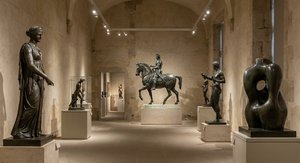
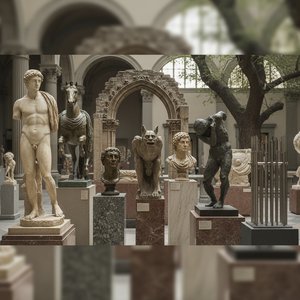
For lovers of sculpture, the museum’s outdoor Sculpture Garden offers an unparalleled experience that integrates art with the natural California landscape. It houses an extraordinary assemblage of over seventy sculptures, most notably featuring one of the largest collections of works by Auguste Rodin outside of Paris. To stand before these monumental bronze figures is to witness the raw emotional resonance and meticulous detail that defined Rodin's mastery. This outdoor sanctuary allows the art to breathe, creating a meditative environment where the heavy, evocative textures of classical sculpture meet the soft light of the garden.
The true depth of the collection is felt in its ability to weave personal narratives into the broader tapestry of art history. The museum’s holdings illuminate the evolution of American art movements with remarkable clarity, guiding collectors and enthusiasts through the delicate nuances of:
- Impressionism , capturing the fleeting beauty of light and atmosphere;
- The visceral energy of Abstract Expressionism ;
- The playful irony of Pop Art .
Beyond these grand movements, the collection holds poignant individual voices, such as Mine Okubo’s moving illustrations that document the realities of WWII internment camp life through a lens of meticulous realism. This ability to balance monumental historical shifts with intimate social commentary is what makes the Cantor Arts Center a unique destination for those seeking art that does not merely decorate a space, but enriches the human soul.