

A Living Chronicle of Human Inquiry
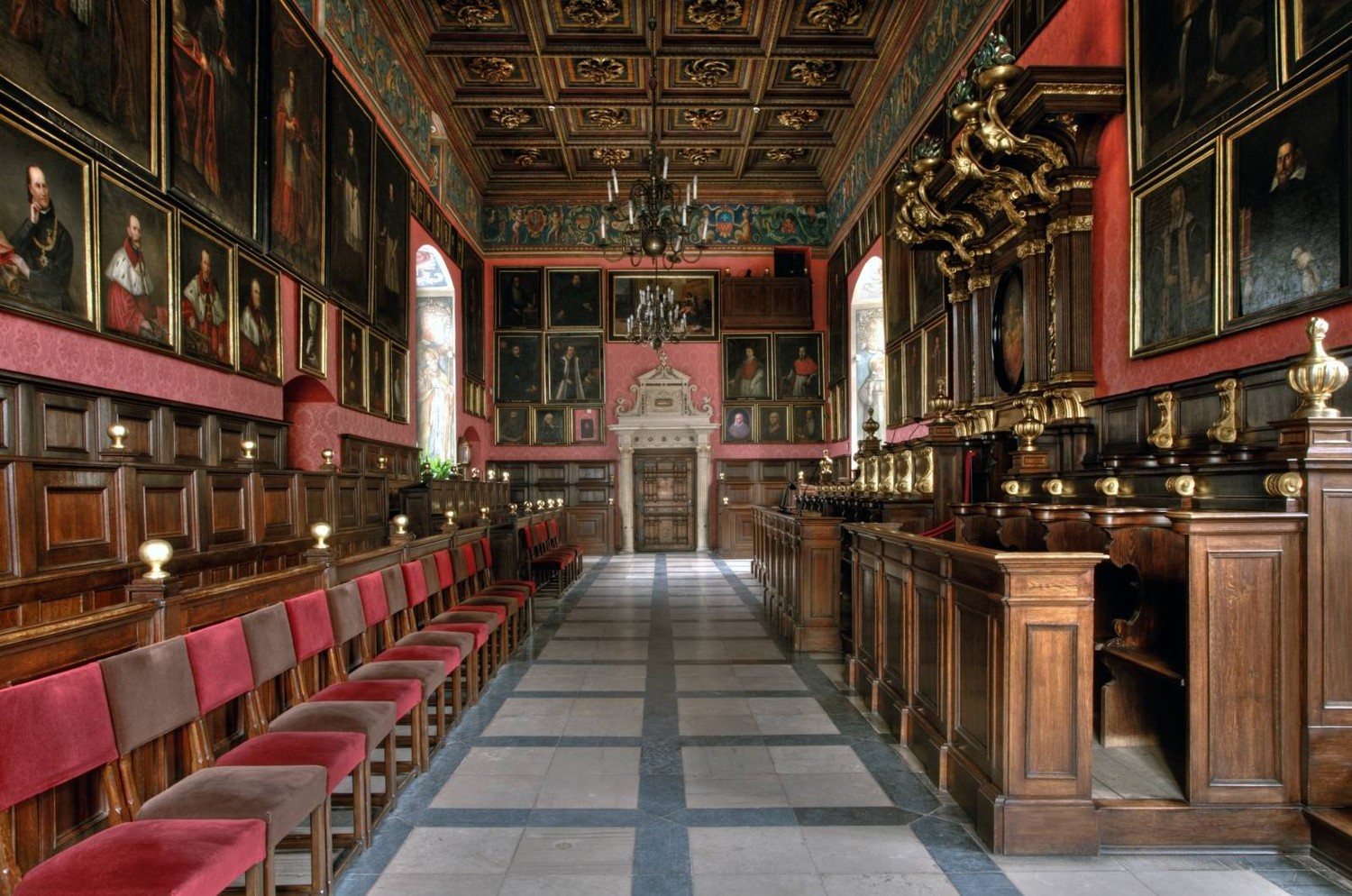
To step within the hallowed halls of the Jagiellonian University in Kraków is to traverse a bridge between the medieval mind and the modern era. This institution is not merely a place of study, but a breathing repository of European intellect, where the very stones of the Collegium Maius seem to pulse with the echoes of centuries of debate. As one wanders through its sun-drenched courtyards, the rhythmic arches and intricate stonework evoke the grandeur of a bygone era, providing a dramatic backdrop that feels more like a stage for history than a mere academic setting. For the art lover and the historian alike, the university offers a profound immersion into a period when science, spirituality, and artistry were inextricably linked, creating a tapestry of knowledge that remains vibrant even in our digital age.
The architectural journey through the university campus serves as an exquisite lesson in stylistic evolution. The Collegium Maius , the crown jewel of the campus, acts as a masterclass in the integration of Gothic, Renaissance, and Baroque elements. For interior designers and lovers of classical aesthetics, the interplay of light and shadow within these ancient lecture halls and cloisters offers endless inspiration, reflecting a time when architecture was designed to elevate the human spirit toward both the divine and the cerebral.
Where Science and Art Converge
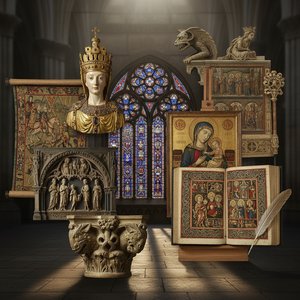
The treasures housed within these walls transcend the boundaries of traditional academic collections, blending the aesthetic with the empirical. The collection is a breathtaking dialogue between the visual and the scientific; one might find themselves mesmerized by the delicate beauty of medieval frescoes depicting saints and biblical narratives, only to turn a corner and encounter the cold, precise elegance of Renaissance scientific instruments. Astrolabes and quadrants, crafted with meticulous artistry, stand as silent witnesses to the era of discovery.
Most poignantly, the presence of Nicolaus Copernicus’ De revolutionibus orbium coelestium serves as a monumental centerpiece—a volume that physically embodies the moment humanity shifted its gaze from the Earth to the heavens, forever altering our cosmic perspective. This unique atmosphere is further enriched by the university's role as a continuous thread in the fabric of Polish and global identity. It is a place where the legacies of luminaries like Pope John Paul II and Nobel laureates such as Wisława Szymborska reside alongside the physical artifacts of their predecessors, creating a unique atmosphere of reverence and innovation.
For collectors of history and admirers of cultural heritage, the Jagiellonian University offers more than just a viewing of objects; it provides an emotional connection to the very dawn of modern thought. The institution invites all who enter to contemplate the enduring power of human curiosity through its diverse holdings:
- Medieval Manuscripts: Including precious autographs and historical chronicles.
- Scientific Instruments: Meticulously crafted Renaissance tools that bridge art and mathematics.
- Architectural Marvels: A seamless blend of Gothic, Renaissance, and Baroque design.
- Historical Artifacts: Physical remnants of the era of discovery and the evolution of European thought.