
A Tapestry of Time: The Soul of Pécs
In the heart of Pécs, a city where the echoes of Roman legions meet the delicate whispers of Baroque grandeur, lies the Janus Pannonius Múzeum . This is not merely a repository for relics; it is a living, breathing chronicle of Baranya County’s artistic and cultural heartbeat. To step into its halls is to wander through a meticulously curated timeline, where the architectural splendor of 18th-century Habsburg-era buildings provides a majestic stage for the treasures within. The museum's primary edifice, an exquisite Baroque canon house, serves as a profound reminder of the city's religious and intellectual history, offering a sense of place that is both intimate and awe-inspiring.
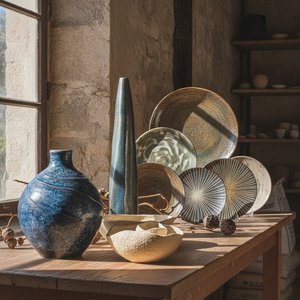
For the art lover and the collector, the museum offers a sanctuary where the weight of history feels lightened by the sheer beauty of its contents. The collection itself is a breathtaking dialogue between different eras and mediums. One cannot traverse these galleries without being captivated by the luminous allure of Zsolnay ceramics . This crown jewel of Hungarian craftsmanship represents a pinnacle of decorative art, where the revolutionary eosin glaze creates iridescent, sculptural forms that seem to glow from within. These pieces, characterized by their vibrant colors and intricate textures, offer endless inspiration for interior designers seeking to infuse modern spaces with historical elegance.
A Dialogue Between Antiquity and Modernity
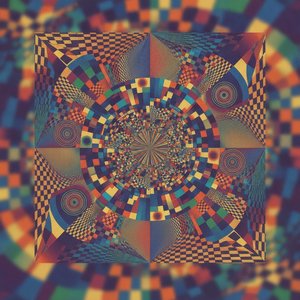
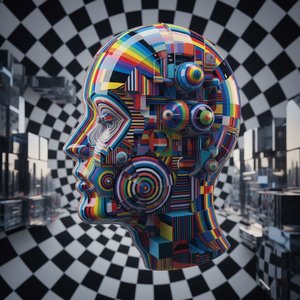
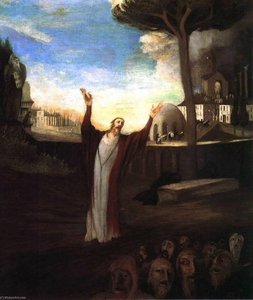
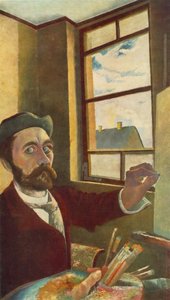
Beyond the ceramic wonders, the museum presents a profound exploration of fine arts, ranging from the emotive, sweeping landscapes of Jeno Gabor to the pulse-pounding, geometric abstractions of Victor Vasarely . The presence of the Vasarely legacy—celebrated through both permanent collections and dynamic exhibitions like those honoring Claire Vasarely —brings a modern, kinetic energy to the museum’s classical foundations. This intersection of archaeology, history, and applied arts creates a holistic experience; one might move from contemplating a delicate piece of Art Deco furniture to marveling at an artifact from antiquity.
The museum's unique character is further defined by its deep dive into the very bones of Hungarian identity. The archaeological treasures unearthed from nearby Roman sites provide a silent, powerful testimony to the imperial influence that once shaped this region, grounding the museum's more decorative offerings in a rugged, ancient reality. It remains a place where tradition does not merely exist in the past but actively embraces innovation, inviting every visitor to witness the continuous evolution of human creativity through notable exhibitions such as:
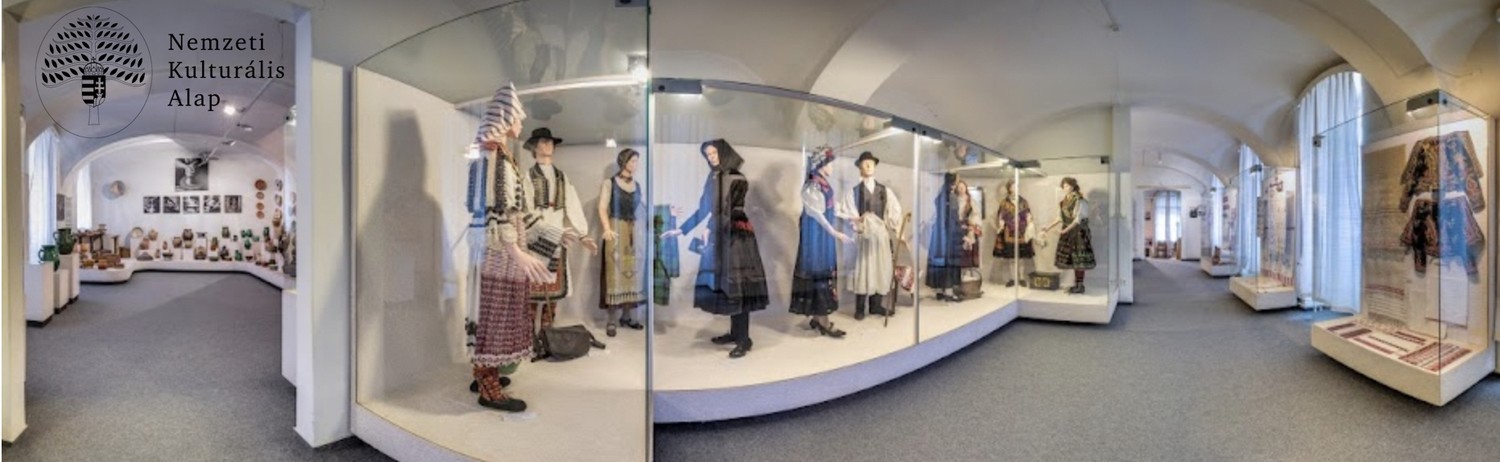
- Spirit of the Place – Genius Loci: A journey through time featuring the museum's archaeological, historical, and ethnographic collections.
- Édenkertek motívumai: An exploration of forms, colors, and variations found within historicizing, Secessionist, and Art Deco Zsolnay ceramics.
- Színekben élt élet: A dedicated retrospective honoring the life and work of Claire Vasarely.