

Origins and History of the Museum
The Koninklijk Museum voor Schone Kunsten was established in 1810. Its foundation is rooted in the legacy of the Antwerp Guild of Saint Luke, an institution that was active from the late 14th century until 1773. The museum's collection began with the artworks owned by this guild, establishing a direct link between the city's mercantile past and its artistic development.
The holdings represent a broad chronological span, encompassing works from the fourteenth to the twentieth centuries. This continuity allows for a study of artistic production in the region across several hundred years. The transition from the guild's private collection to a public institution reflects the shifting social and cultural structures of Antwerp.
The museum's historical development is tied to the evolution of the city itself. The collection includes various media, including paintings, sculptures, and drawings. These objects arrived through different channels, including the dissolution of the guild and the recovery of art following the French occupations in the late 18th century.
The Neoclassical Building and Its Architecture
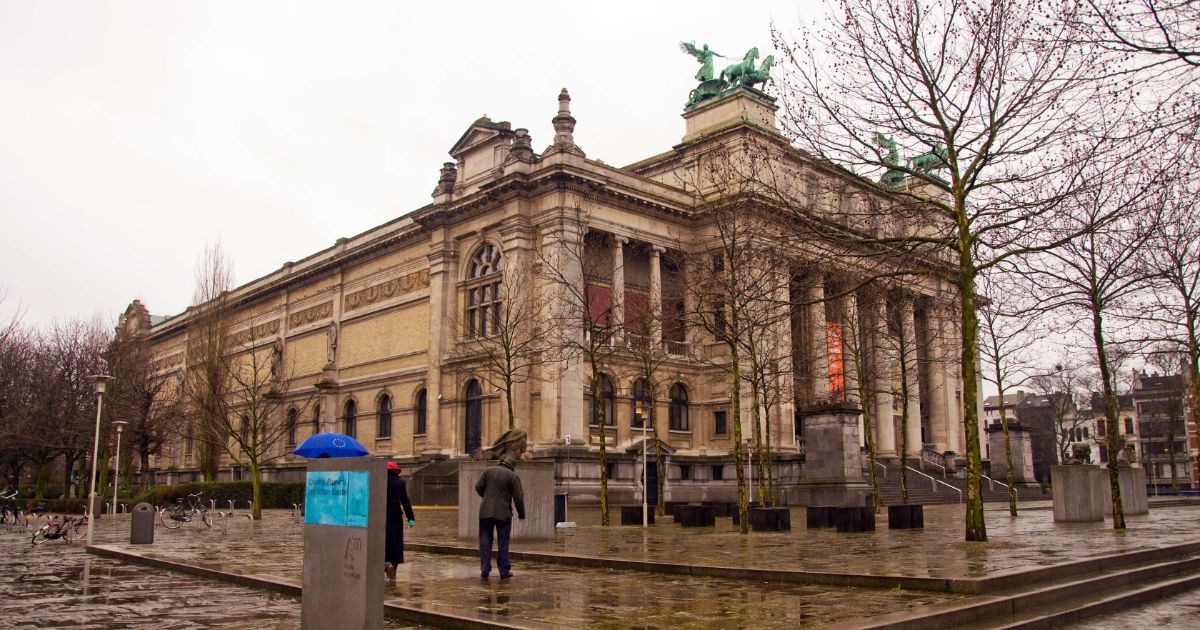
The museum is housed in a neoclassical building situated in Antwerp’s historic Zuid district, overlooking Leopold Square. The structure was conceived by architects Jean-Jacques Winders and Frans Van Dijk. Construction on the site began in 1884, and the building opened to the public in 1890. The project reached completion in 1894.
The exterior façade features intricate sculptures that depict figures from Flemish art history. These sculptural elements include dynamic representations of Pheme, the goddess of eloquence, alongside allegorical figures representing Architecture, Painting, Sculpture, and Graphics. The monumental Keyser Hall, reached via a grand staircase, serves as the primary introduction to the interior spaces. This hall leads into the main galleries, where the historical architecture remains largely untouched. A contemporary wing has been integrated into the original structure, utilizing a minimalist aesthetic to complement the existing neoclassical design.
A Diverse Collection of Flemish Art
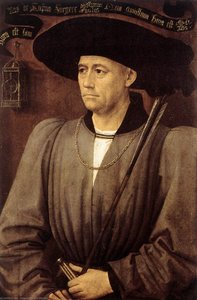
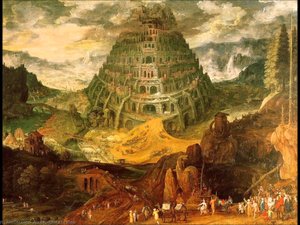
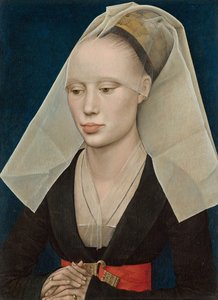
The holdings at the Koninklijk Museum voor Schone Kunsten encompass seven centuries of artistic production. The collection includes paintings, sculptures, and drawings that reflect the specific tastes of Antwerp’s elite during the fifteenth and sixteenth centuries. These works represent a broad spectrum of movements, including Early Netherlandish Painting, the Baroque, and the Dutch Golden Age.
The museum's inventory focuses heavily on the period between the 15th and 17th centuries. This era is represented through various media, from large-scale religious compositions to intimate portraits and detailed drawings. The breadth of the collection allows for a study of how artistic techniques evolved from the late medieval period through the early modern era.
Specific works within the collection include:
- St Barbara, 1437
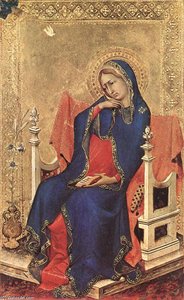
- The Virgin of the Annunciation, 1333
- The Man of Sorrows, 1891
- The Skeleton Painter, 1895
Masterpieces of the Flemish Collection
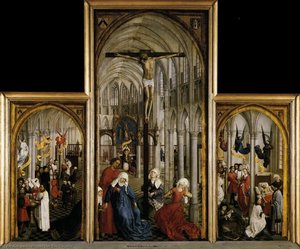
The museum holds significant works from the early Netherlandish period that define the evolution of oil painting. Rogier van der Weyden’s Seven Sacraments Altarpiece, dated 1445, remains a central focus of the collection. This work includes the Seven Sacraments (central panel) from about 1445. Nearby, the 1437 painting St Barbara by Jan van Eyck demonstrates the technical precision characteristic of the era.
The collection also tracks the development of art into the modern age. James Ensor’s 1891 work, The Man of Sorrows, provides a contrast to the earlier religious compositions. In the twentieth century, the museum acquired the 1925 Portrait of Georg Brandes by Lovis Corinth.
Recent Projects and Architectural Innovation
The museum has undergone a significant transformation following a period of closure lasting over a decade. This extended hiatus allowed for a thorough renovation of the institution, a project that required a substantial investment of approximately 100 million euros from the Flemish Government. The revitalization was led by the architectural firm KAAN Architecten, focusing on a complex masterplan that integrates modern requirements into the existing historical framework.
A central feature of this renovation is the new extension, which has been cleverly concealed within the original structure to maintain the integrity of the building. This approach allows the museum to expand its functional capacity without altering its external presence. Inside, the galleries utilize cutting-edge lighting technology, specifically Tunable White LEDs. This system enables curators to adjust color temperatures, ensuring that the specific nuances of the paintings are visible under optimal conditions.