



Origins and History of La Biennale di Venezia
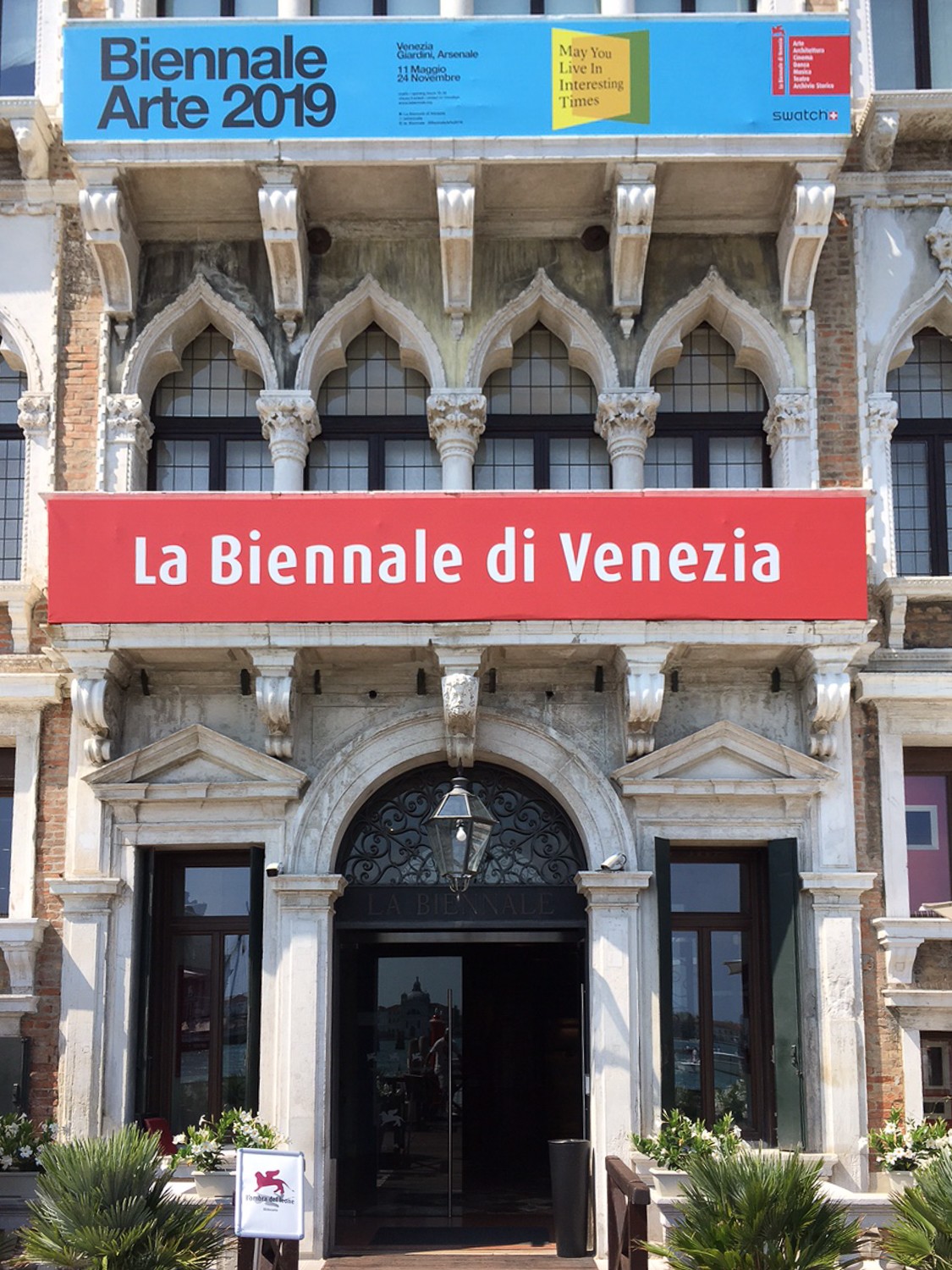
The origins of la Biennale di Venezia trace back to a resolution passed by the Venice City Council on 19 April 1893. This legislative action was the result of a proposal by a group of Venetian intellectuals, led by the mayor at the time, Riccardo Selvatico. The objective was to establish a national art biennial exhibition to stimulate artistic activity and the art market within the city and the unified Italian state. Following this initiative, the first Art Exhibition was launched in 1895, and the institution was formally founded as a cultural society.
Over the following decades, the organization expanded its scope beyond the initial visual arts focus. The institution's structure evolved through the establishment of various specialized sectors, including cinema in 1932, music in 1930, and theatre in 1934. The architecture sector was later added in 1980, and the dance sector was established in 1999. This multidisciplinary growth reflects the changing landscape of contemporary creative practice.
A significant institutional shift occurred in January 2004. Through a legislative reform decree, la Biennale di Venezia was transformed into a Foundation. This change altered its administrative framework while maintaining its commitment to organizing international events and promoting new artistic trends. The institution continues to operate through its various departments, maintaining its presence in Venice through the Giardini di Castello and the Arsenale.
The Diverse Departments of the Biennale
The multidisciplinary structure of the Biennale reflects a long-standing commitment to various forms of creative expression. While the foundation began with the art sector, the institution expanded its scope through the twentieth century. The music sector was established in 1930, followed by the cinema sector in 1932. The theatre sector followed in 1934. These departments allow for a continuous dialogue between different artistic mediums within the Venetian context.
Later developments brought specialized focus to the built environment and movement. The architecture sector was established in 1980. The dance sector was added more recently, in 1999. This evolution ensures that the institution remains a site for contemporary practice across many disciplines. The organization operates through a foundation model, having been transformed by a legislative reform decree in January 2004.
The Major Venues and Their Locations
The exhibition spaces of La Biennale di Venezia are distributed across several distinct sites in Venice and on the Lido. The Giardini di Castello function as a primary location for visual arts and architecture. Within this parkland, thirty national pavilions are situated, including the British Pavilion, a 19th-century neo-classical building that has hosted artists since 1909. The Giardini provide a structured environment for these international displays.
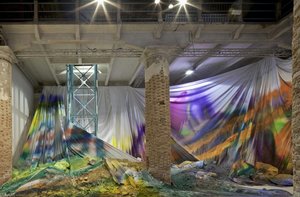
The Arsenale occupies a significant portion of the exhibition landscape. Originally a bustling naval shipyard, this industrial site now hosts visual arts and architecture. The scale of the Arsenale allows for large-scale installations within its historical structures. Nearby, the Teatro alle Tese and Teatro Piccolo Arsenale provide the necessary settings for dance, music, and theatre. These venues accommodate the movement and sound required by the performing arts sectors.
Cinema exhibitions are centered on the Lido. The Palazzo del Cinema and the Palazzo del Casinò serve as the primary venues for these cinematic presentations. The distribution of these sites ensures that the different disciplines of the Biennale are held in environments suited to their specific requirements, from the open spaces of the Giardini to the specialized halls of the Lido.
The British Pavilion and its Legacy
Located within the Giardini, the British Pavilion is a 19th century neo-classical listed building. Originally a café-restaurant, the structure was converted into an exhibition space by E. A. Rickards in 1909. The British Council assumed responsibility for the building in 1937, establishing a long-term presence within the Biennale's grounds.
Since its conversion, more than 600 UK artists have exhibited within the Pavilion. The selection process has evolved over the decades to reflect changing artistic practices. Since the 1970s, the Pavilion has maintained a specific focus, dedicating its space to a single artist or a specific artist practice each year.
The history of the Pavilion is marked by the presence of significant figures in British art. Notable participants include:
- Henry Moore
- Barbara Hepworth
- Francis Bacon
- Lucian Freud
- Anish Kapoor
- Tracey Emin
Exhibitions and Artistic Research
The Biennale operates on a biennial cycle, alternating between art and architecture each year. Public access is maintained for six months annually, from May until November. This schedule ensures a continuous presence in the Venetian cultural landscape, providing a structured rhythm for international participation. The institution maintains its historical continuity through the ASAC, the Historic Archives of Contemporary Arts, which conserves the essential documentation of the Biennale's history.
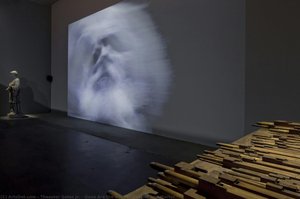
Research and professional development are integrated into the institutional framework. In 2014, the Venice Fellowships programme was launched to support artists and architects. This initiative provides a dedicated space for research, allowing participants to engage with the city and its specific artistic contexts. The programming often addresses complex global themes, including climate change and migration rights, through curated conversations and large-scale installations.
- Nyau Cinema, 2015
- The Anti-Clock Project, 2015
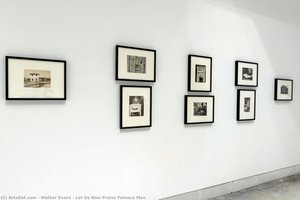
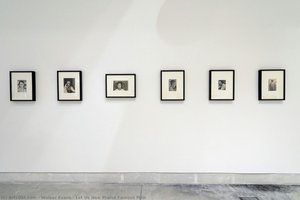
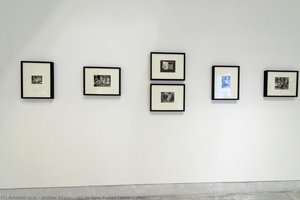
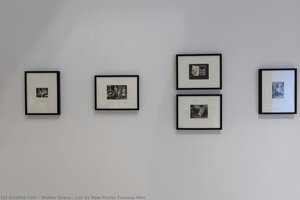
- Let Us Now Praise Famous Men, 1936
Recent and Upcoming Biennale Events
The calendar for the 2023 season encompasses a wide range of disciplines across Venice and the Lido. The Biennale Danza takes place in Venice from 13.07 to 29.07. This is followed by the Biennale Teatro, held in Venice between 15.06 and 1.07. The Biennale Cinema moves to the Lido di Venezia, running from 30.08 to 9.09. Later in the year, the Biennale Musica returns to Venice from 16.10 to 29.10, while the Biennale Architettura spans a longer duration from 20.05 to 26.11.
Looking toward the following year, the Biennale Arte 2024 is scheduled to take place in Venice from 20.04 to 24.11. These scheduled events maintain the institution's multidisciplinary structure, alternating between art and architecture while providing dedicated periods for film, dance, music, and theatre. The programming ensures that the various sectors of the foundation remain active throughout the year.