

A Bastion of Baltic Heritage: The Soul of Lithuania
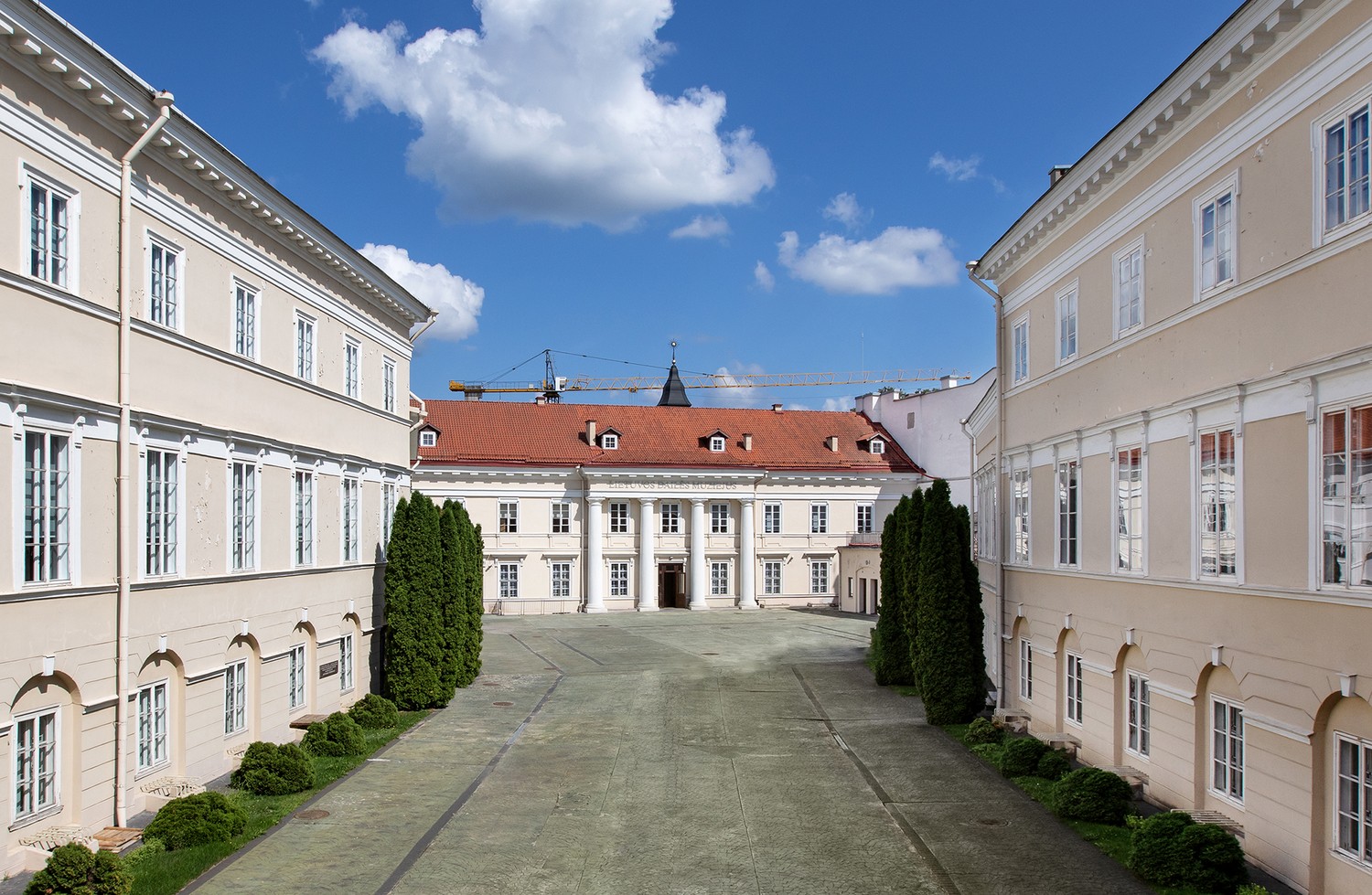
To step into the Lithuanian National Museum of Art is to embark on a profound journey through the very essence of a nation’s identity. Located in the heart of Vilnius , a city where history breathes through every cobblestone and baroque spire, this institution serves as much more than a mere repository for artifacts; it is a vibrant, living chronicle of the Lithuanian soul. The museum's story is one of remarkable resilience, born from a surge of national pride in the early 20th century following the lifting of linguistic restrictions. What began as modest collections gathered by passionate enthusiasts has blossomed into a sprawling cultural empire, encompassing nine unique venues that stretch from the historic streets of the capital to the windswept Baltic coast.
For the art lover and the discerning collector, the museum offers an unparalleled odyssey through centuries of expression, where the weight of history meets the lightness of creative innovation. The narrative arc moves seamlessly from the solemn, spiritual depth of medieval icons preserved in monastic traditions to the bold, experimental aesthetics of the 20th and 21st centuries. It is a place where the museum’s ability to bridge disparate eras fosters a global artistic dialogue, connecting us to our collective past while inspiring our future.
A Tapestry of Grandeur and Golden Light
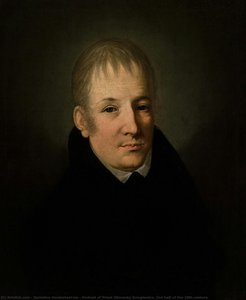
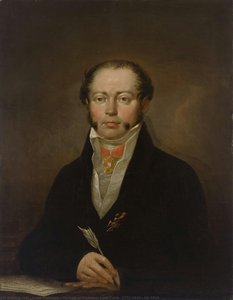
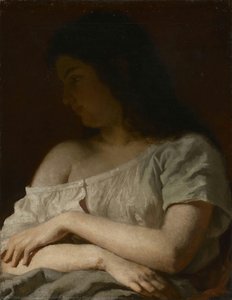
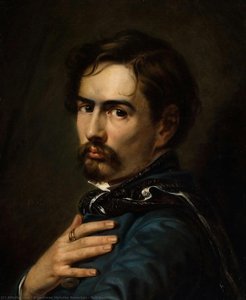
The museum’s collection is a breathtaking tapestry of human achievement, weaving together the sacred and the secular, the ancient and the avant-garde. One cannot wander through the Vilnius Picture Gallery without feeling the commanding presence of the Grand Ducal portraits. These canvases, particularly those depicting the influential Stanisław August Poniatowski , act as windows into a vanished era of nobility. Executed with the meticulous precision of Flemish-inspired techniques, these works capture more than just faces; they preserve the opulent textures of silk, the intricate geometry of lace, and the very aura of Polish-Lithuanian grandeur. This dialogue between light and shadow, achieved by masters such as Jan Vermeulen III and Johann Baptist Peeters , provides a sophisticated aesthetic experience that continues to captivate contemporary collectors and historians alike.
Beyond the realm of oil and canvas, the museum offers a sensory encounter with Lithuania’s most precious treasure: amber. In the Palanga Amber Museum , housed within the exquisitely restored 19th-century Tiškevičiai Palace , visitors are enveloped in a golden glow. This collection is a geological and artistic marvel, featuring tens of thousands of specimens that range from prehistoric fossils containing ancient insects to breathtakingly intricate modern jewelry. To behold these pieces is to witness the intersection of natural science and fine craftsmanship. For the interior designer or connoisseur of decorative arts, the museum’s display of amber mosaics and translucent sculptures serves as a masterclass in how organic materials can be transformed into timeless symbols of purity and resilience.
The institution's breadth is further enriched by its diverse holdings, including:
- The hauntingly emotive sculptures of Edvard Munch that resonate with psychological depth.
- The nationalistic graphic mastery of Piotr Rymsza , a pioneer of Lithuanian professional art.
- Horological wonders found within the Clock and Watch Museum.
- Contemporary Lithuanian masterpieces that push the boundaries of modern aesthetics.