A Tapestry of Time: Unveiling the Machado de Castro National Museum
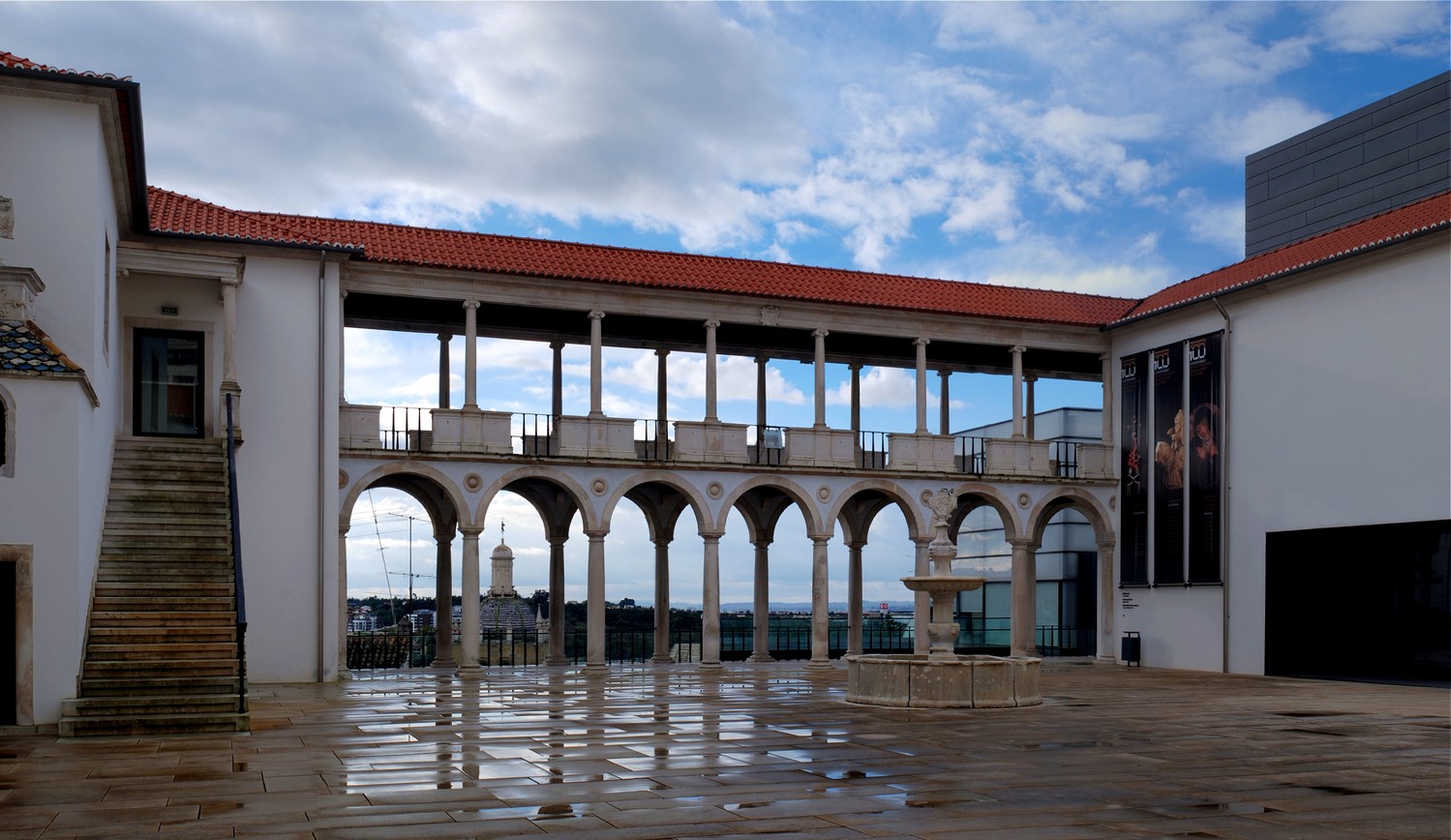
To step into the Machado de Castro National Museum is to embark on a profound journey through the very soul of Portugal, where the boundaries between past and present dissolve into a seamless narrative of human endeavor. Situated in the historic heart of Coimbra, within the majestic walls of the former Bishop's Palace, this museum serves as a living chronicle of cultural evolution. It is a place where Roman foundations whisper tales of antiquity, medieval grandeur echoes through stone corridors, and Renaissance brilliance illuminates centuries of artistic mastery. The museum does not merely house artifacts; it breathes with the history of Aeminium, the ancient Roman settlement that once thrived here, offering a tangible connection to an era of emperors and artisans that predates the modern world.
The architectural experience begins even before one reaches the galleries, as the building itself is a masterpiece of layered history. Descending beneath the palace walls, visitors encounter the breathtaking Cryptoporticus, a subterranean gallery dating back to the 1st century AD. This remarkably preserved Roman marvel offers an intimate glimpse into the structural ingenuity of antiquity, its cool, shadowed corridors resonating with the ghosts of a lost forum. As one ascends through the museum's levels, the architecture shifts from Romanesque arches to Manueline flourishes and neoclassical refinements, creating a harmonious dialogue between different epochs. This architectural metamorphosis was beautifully realized during the transformative renovation led by architect Gonçalo Byrne, an achievement so significant it earned the prestigious Piranesi/Prix de Rome Prize.
The Soul in Stone and the Splendor of Craft
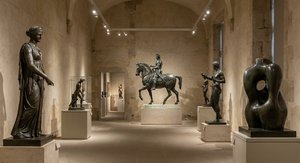
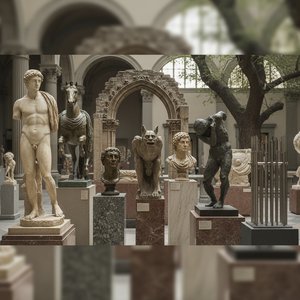
The museum’s sculptural collection stands as its most poignant heartbeat, representing a magnificent celebration of Portuguese craftsmanship and spiritual devotion. Carved primarily from the local, luminous Ançã stone, these works exemplify a distinctive aesthetic characterized by intricate detail and an expressive, dynamic energy. The sculptures are not merely static objects but vessels of profound emotion; pieces such as the hauntingly beautiful
“Christ in His Tomb”
and the solemn
“Black Christ”
invite deep contemplation, reflecting the intense religious fervor that shaped the nation's identity between the 14th and 16th centuries. For the art lover or collector, these works offer a masterclass in how material can be transformed into spiritual transcendence.
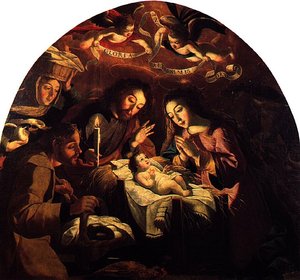
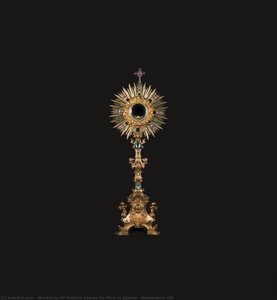
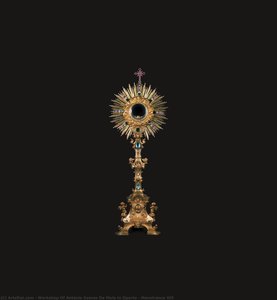
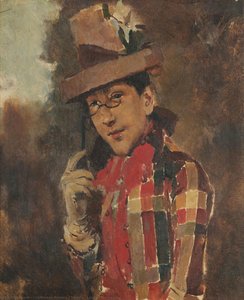
Beyond the stone, the museum offers a visual feast of diverse media that enriches the visitor's understanding of Portugal’s global connections. The collection encompasses an impressive array of paintings that serve as a visual chronicle of stylistic shifts, from Flemish masterpieces that speak to Europe's interconnectedness to regional canvases that capture local traditions. This richness is furthered by exquisite examples of applied arts, where shimmering metals adorned with enamel and precious stones meet the delicate artistry of ceramics and richly textured textiles. For interior designers and enthusiasts of fine decor, the museum provides endless inspiration, showcasing how art, ornament, and history converge to create spaces of unparalleled beauty and cultural depth.
A Legacy for the Discerning Eye
What makes the Machado de Castro National Museum truly unique is its ability to function as both a historical archive and an aesthetic sanctuary. It is a destination where the weight of history meets the lightness of artistic grace, making it an essential pilgrimage for those who seek to understand the roots of European identity. The museum invites a multisensory engagement with the past, offering:
-
The Roman Legacy:
An immersive encounter with the subterranean remnants of Aeminium.
-
Sculptural Mastery:
The ethereal beauty of Ançã stone carvings that define the Portuguese Gothic and Renaissance spirit.
-
Decorative Grandeur:
A curated selection of precious metals, ceramics, and textiles that illustrate the evolution of fine ornament.
In every corner of this institution, there is a lesson in how the preservation of heritage can inspire contemporary beauty, making it a cornerstone of cultural significance in Coimbra and beyond.