

A Palace Breathing History: The Royal Majesty of Madrid
To step across the threshold of the Palacio Real de Madrid is to leave the modern bustle of Spain’s capital behind and enter a realm where time itself seems to pause in reverence. This is not merely a monument of stone and mortar, but a living palimpsest of Spanish identity, an opulent testament to shifting dynasties and the enduring grandeur of the Bourbon crown. As the largest functioning royal palace in Western Europe, its sprawling 135,000 square meters of floor space offer more than just a tour; they provide an immersive journey through centuries of statecraft, coronation, and cultural evolution. The very foundations of the palace echo with the ghosts of monarchs past, from the ambitious architectural visions of Charles III to the turbulent shadows cast by the Napoleonic era. For the art lover, it is a sanctuary; for the historian, a chronicle; and for the dreamer, a gateway to a lost age of elegance.
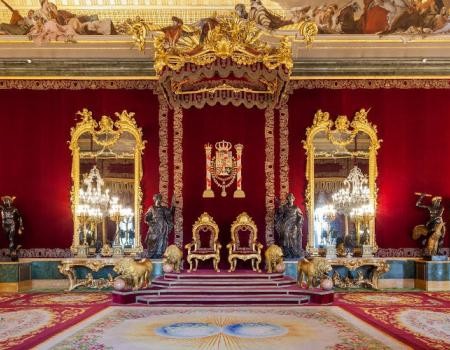
The architecture of the palace presents a breathtaking dialogue between Baroque grandeur and Neoclassical refinement . Designed by visionaries such as Filippo Juvarra, Ventura Rodríguez, and Juan Batostabile, the structure commands the landscape with a symmetrical façade that speaks to stability and absolute power. Upon entering, one is met with an overwhelming sensory experience: marble floors that gleam under soft light, intricate stucco ceilings that defy gravity, and gilded ornamentation that captures every flicker of candlelight. The palace’s design, heavily inspired by the majesty of Versailles, prioritizes a sense of harmony and proportion, yet it retains a uniquely Spanish soul through its vast courtyards and tranquil gardens. For interior designers and lovers of classical aesthetics, the palace serves as the ultimate masterclass in how scale, texture, and precious materials can coalesce to create an atmosphere of incomparable prestige.
A Treasury of Canvas and Steel
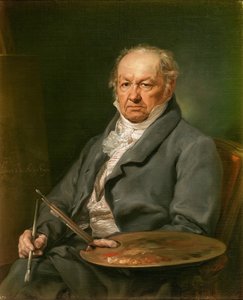
Beyond its architectural splendor, the true heart of the Palacio Real beats within its galleries, which house one of the most significant collections of art in the world. The halls are a panorama of Spanish artistic prowess, spanning from the Renaissance to the heights of Romanticism. To stand before the works of Diego Velázquez is to witness the mastery of light and the psychological depth of the Spanish court; his brushstrokes breathe life into the very fabric of history. Similarly, the dramatic, often haunting canvases of Francisco Goya offer a searing look at the human condition, particularly in his depictions of historical struggle and royal portraiture, such as the elegant Queen María Luisa Wearing a Mantilla . These masterpieces do not merely hang on walls; they command the space, inviting viewers into a complex interplay of perspective, symbolism, and raw emotion.
The palace’s treasures extend far beyond the medium of oil on canvas, offering a holistic view of royal life through the decorative arts. Collectors will find themselves captivated by the exquisite porcelain, intricate tapestries, and ornate furniture that reflect the height of European craftsmanship and royal patronage. Complementing this artistic delicacy is the formidable Royal Armoury , a magnificent assemblage of weaponry and armor that chronicles the evolution of Spanish military might. From the medieval period through to the Napoleonic era, the display of elaborately crafted helmets, breastplates, and swords provides a tangible, metallic rhythm to the palace's narrative of power and defense. It is this rare combination—the delicate beauty of a silk tapestry alongside the cold strength of a steel shield—that makes the Palacio Real a singular destination, an essential pilgrimage for anyone seeking to understand the soul of Spain.