
A Legacy of Sail and Artistic Splendor
Nestled within the vibrant, salt-sprayed heart of Rotterdam’s harbor district, the Maritime Museum Rotterdam stands as a profound chronicle etched in wood, canvas, and steel. To step into this institution is to embark on a voyage through time, where the boundaries between historical maritime engineering and fine art begin to dissolve. The museum’s architecture, featuring a modern structure designed by Wim Quist , serves as a sophisticated vessel that houses the echoes of six centuries of naval history, seamlessly blending the industrial strength of Rotterdam with an elegant, curated atmosphere.
For the discerning collector or art lover, the museum offers much more than mere nautical relics; it presents a dialogue between the ruggedness of the sea and the delicate precision of craftsmanship. The collection itself is a breathtaking tapestry of human ingenuity, where one might find themselves moved by the profound spiritual depth of Rembrandt’s Pilgrims at Emmaus , its masterful use of chiaroscuro providing a dramatic tension that rivals any maritime seascape. This unique juxtaposition of structural marvels and fine art creates an immersive experience that celebrates the enduring influence of the ocean on our collective human narrative.
Treasures of the Deep and the Living Harbour
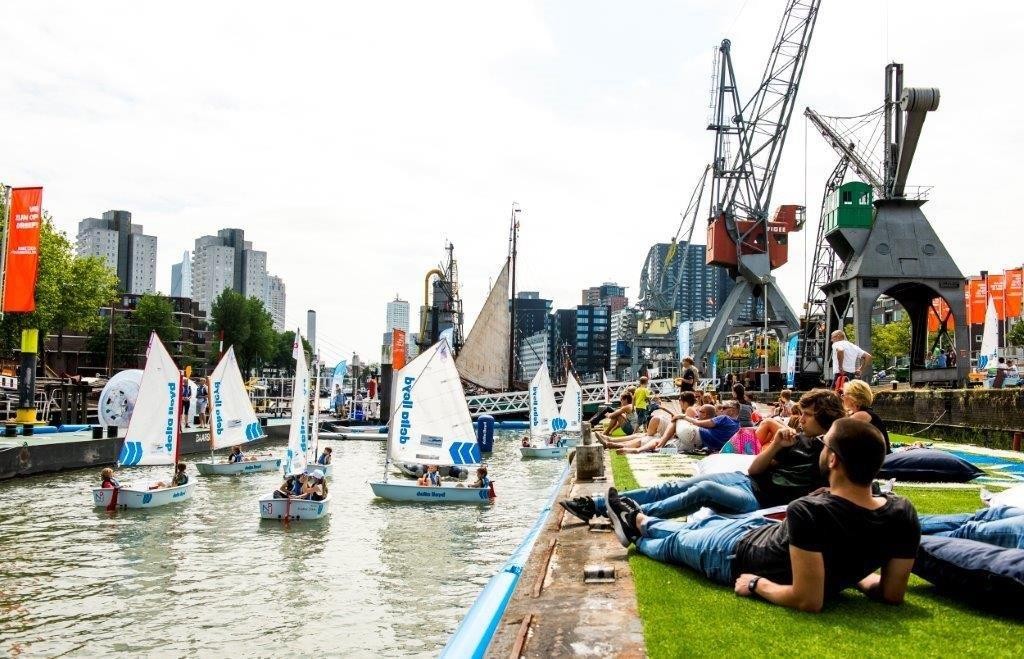
The museum’s holdings are nothing short of extraordinary, offering endless inspiration for interior designers and enthusiasts of historical atmosphere. Among its most treasured pieces is the legendary Mataró Model , a medieval masterpiece recognized for its unparalleled accuracy and meticulous attention to detail. Such objects serve as a testament to an era where precision and artistry were inseparable. Beyond the quiet contemplation of the gallery halls, the experience extends into the living history of the Maritime Museum Harbour .
This expansive, open-air extension allows for a tactile connection to the past, featuring:
- Historic Vessels: A collection of preserved ships that stand as silent sentinels of Rotterdam’s pivotal role in global commerce.
- Working Cranes: Industrial relics that evoke the strength and movement of a bustling port.
- Ironclad Remnants: Notable pieces such as the HMS Buffel , which allow visitors to feel the weight of the Victorian era through forged metal and weathered timber.
For those seeking to evoke a sense of timelessness and adventure in their own spaces, the museum provides a masterclass in texture and materiality. The interplay of heavy canvas, rugged wood, and cold iron offers a rich palette of inspiration, making the Maritime Museum Rotterdam a destination where the maritime present and the storied past converge in a singular, breathtaking display.