



Origins and History of Biblioteca Ambrosiana
Established in 1609 by Cardinal Federico Borromeo, the Biblioteca Ambrosiana emerged from a desire to preserve knowledge and foster intellectual life. It was conceived as a bulwark of Catholic scholarship during the Counter-Reformation, intended to provide a sanctuary for study and research. Named after Ambrose, the patron saint of Milan, the institution was designed to be a haven for learning within the city. Today, the complex is recognized by several names, including the Pinacoteca Ambrosiana and the Veneranda Biblioteca Ambrosiana.
The foundation of the institution was rooted in a specific vision of scholarship. Borromeo sought to create a space where the pursuit of knowledge and the contemplation of beauty could exist in harmony. This purpose drove the acquisition of vast collections, including Greek manuscripts and significant libraries from across Europe. The institution has evolved from its original purpose into a significant cultural center that maintains a continuous link to the Renaissance and the Early Modern period.
The history of the site is tied to the religious and intellectual shifts of the seventeenth century. By opening its doors to scholars, the library became part of a small group of institutions in Europe to grant regular access to the learned. This commitment to accessibility has allowed the collection to endure through centuries of changing academic and religious landscapes.
The Architecture of the Renaissance Building
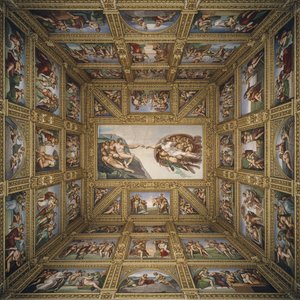
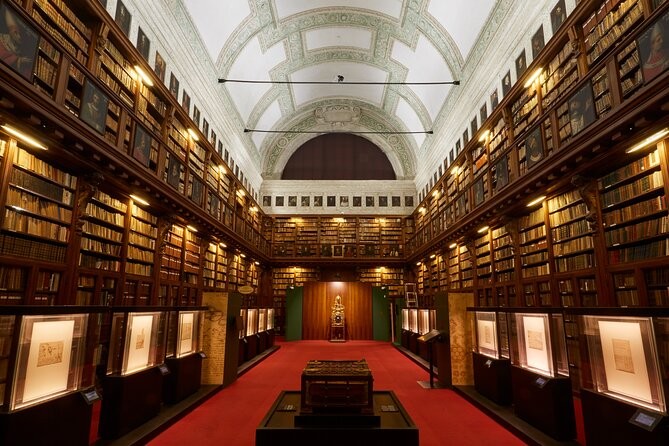
The structure presents a profound example of Renaissance architecture, defined by a sense of balance and scholarly restraint. Its façade follows a strict symmetrical design, anchored by a central loggia. This space is supported by Corinthian columns, which provide a rhythmic verticality to the exterior. Within the building, the grand hall features impressive marble flooring and intricate stucco work that catches the light. High, coved ceilings rise above the rooms, adorned with frescoes that command the gaze upward.
A courtyard exists within the complex, offering a tranquil oasis away from the movement of Milan. This space provides a quiet respite, maintaining the original purpose of the site as a haven for contemplation. The interior layout, while shaped by its ancient bones, creates a curated path through the various levels. Light enters through two enormous semicircular windows located at each end of the grand hall, illuminating the vast reading rooms and the scholarly spaces designed for research.
The Pinacoteca Ambrosiana Art Collection
The Pinacoteca Ambrosiana functions as the art gallery of the complex, housing an extraordinary collection of paintings, drawings, and prints. These works span from the 14th to the 18th centuries, tracing a long evolution of visual language. The collection encompasses the stylistic shifts of the Renaissance, Mannerism, and the Baroque. Each piece exists as a physical presence, offering a direct encounter with the history of European art.
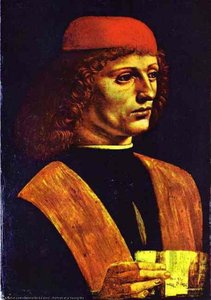
The gallery contains works by masters such as Botticelli and Raphael. These paintings and drawings represent specific moments in the development of classical and post-classical aesthetics. The breadth of the collection allows for a quiet observation of how light and form were handled across several centuries. The presence of these works within the library's walls connects the act of scholarly study with the visual reality of the art itself.
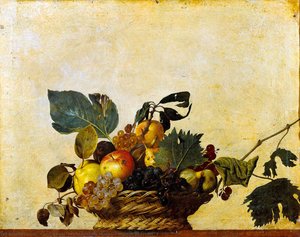
- Basket of Fruit, about 1596 - Caravaggio
- Knight on Horseback, 1512 - Albrecht Dürer
- St Jerome in His Study, 1511 - Albrecht Dürer
- The infant Jesus with a Lamb, 1525 - Bernardino Luini
Masterpieces of the Ambrosiana Collection
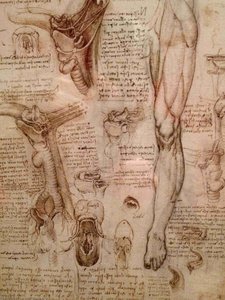
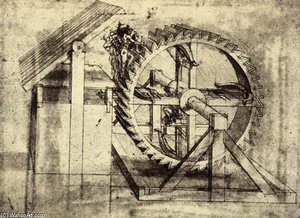
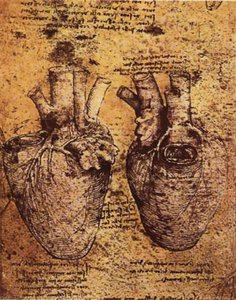
The presence of Leonardo da Vinci within these walls is felt through both his scientific inquiry and his artistic hand. The Codex Atlanticus remains a monumental collection of his drawings and writings, offering a direct encounter with his intellect. Alongside these notebooks, the library holds the rare Multi Barrel Gun, a precise study of mechanical design. Perhaps most significant is the only known copy of his St. John the Baptist, a work that commands attention through its singular existence.
The collection also holds works that define the transition of styles across centuries. Bernardino Luini’s The infant Jesus with a Lamb, dated about 1525, provides a moment of quietude. In contrast, the ceiling frescoes by Domenico Piola embody the Baroque style, utilizing dramatic lighting and theatrical composition to fill the space with movement. These works exist alongside a variety of other significant pieces:
- Basket of Fruit, 1596 - Caravaggio
- Knight on Horseback, 1512 - Albrecht Dürer
- St Jerome in His Study, 1511 - Albrecht Dürer
- Amorous Peasants - Albrecht Dürer
Major Acquisitions and Historical Collections
The depth of the collection is rooted in significant acquisitions that expanded the library's reach across Europe. In 1606, the institution acquired the manuscripts of the Benedictine monastery of Bobbio. This addition brought ancient texts into the Milanese collection, adding to the weight of the library's scholarly holdings. The acquisition of the library of Vincenzo Pinelli from Padua further strengthened these ranks. This specific collection arrived in seventy cases and contained more than 800 manuscripts, contributing to the vastness of the library's archival presence.
The presence of Greek thought is felt through the inclusion of more than a thousand Greek manuscripts. These volumes represent a significant portion of the library's intellectual weight. Among the most delicate items is a sixth-century papyrus of Josephus, which was acquired from Sant'Ambrogio in Milan. Such fragments offer a direct connection to the early centuries of written history.
- Sixth-century papyrus of Josephus
- Vincenzo Pinelli library manuscripts
- Bobbio monastery manuscripts