
A Sanctuary of Japanese Artistry: The MOA Museum of Art
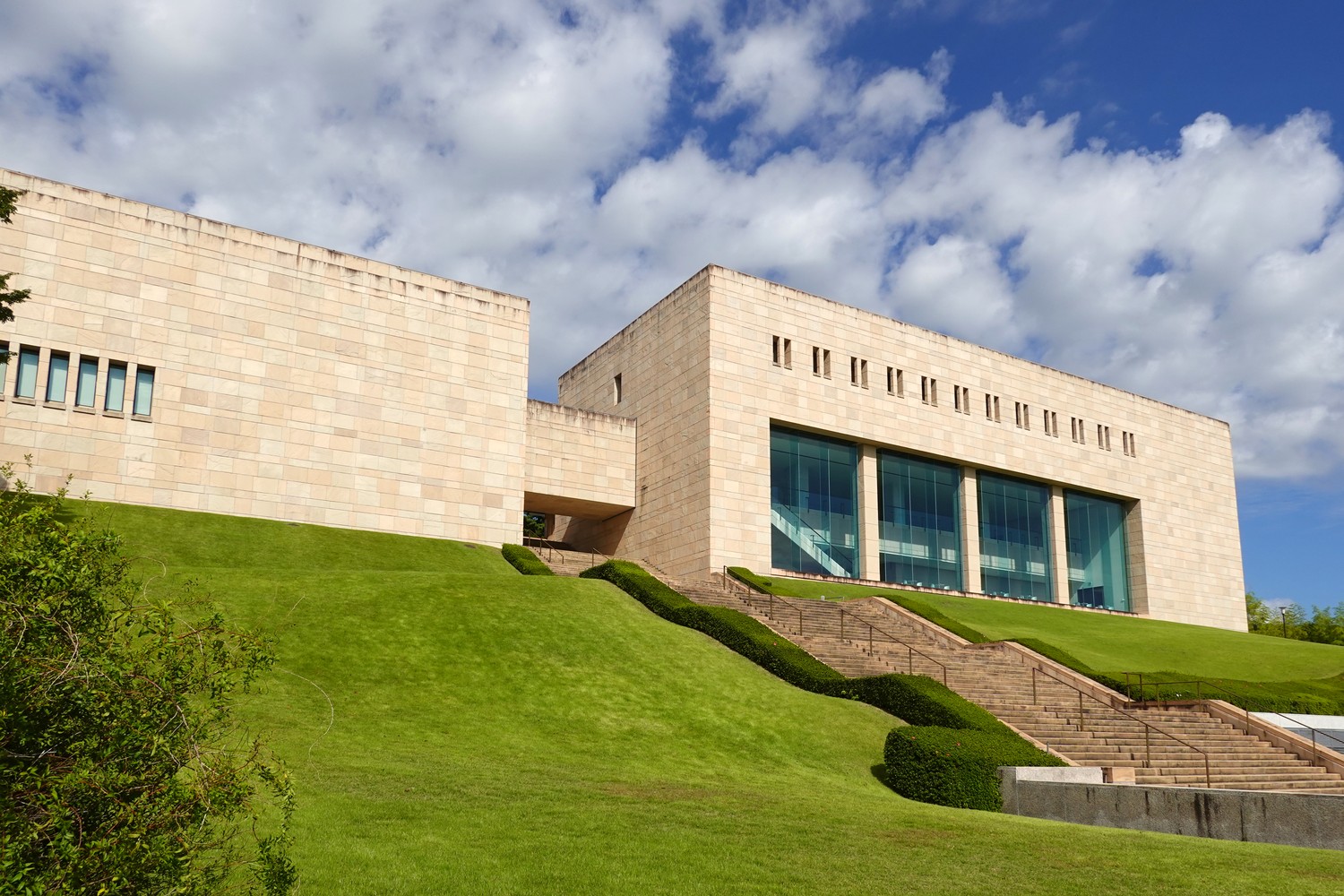
Nestled amidst the verdant, rolling hills that overlook the shimmering expanse of Atami Bay, the MOA Museum of Art stands as a profound testament to the enduring spirit of Japanese aesthetics. Founded in 1982 by Mokichi Okada, this privately owned institution is far more than a mere repository for historical artifacts; it is an immersive sanctuary designed to transport the soul into the heart of tradition. As one approaches the museum, the breathtaking panoramic views of the Pacific coastline serve as a natural prelude to the serenity found within its walls. The very atmosphere of the museum, characterized by a tranquil and contemplative stillness, invites visitors to slow their pace and engage deeply with the delicate beauty of Japan’s artistic heritage.
The heart of the MOA Museum of Art beats through its extraordinary collection, a treasure trove that houses over 3,500 masterpieces, including several designated National Treasures. Among these, Ogata Kōrin's magnificent Red and White Plum Blossoms screen remains an unparalleled icon of the Edo period. This work, with its meticulous brushwork and vibrant, symbolic color palettes, exemplifies the height of classical Japanese painting. Beyond such singular triumphs, the museum offers a profound journey through the art of storytelling via its exquisite emakimono holdings. Scrolls such as the Jōruly Monogatari Emaki and Horie Monogatari Emaki weave intricate narratives through stunning visual artistry, allowing the viewer to witness the seamless blend of historical chronicle and aesthetic mastery that defines the Japanese narrative tradition.
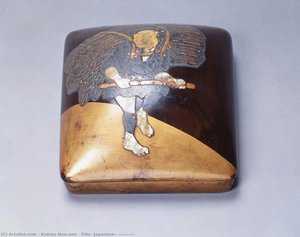
For those with an eye for craftsmanship, the museum’s galleries reveal the meticulous precision of ancient artisans. The collection delves deeply into the tactile world of ceramics, lacquerware, and porcelain, spanning centuries of cultural evolution. Each piece, from the subtle glaze of a tea bowl to the lustrous sheen of a lacquered tray, speaks volumes about the exacting standards of beauty held by generations of Japanese makers. This dedication to material excellence is matched only by the museum's architectural brilliance. Designed under the visionary guidance of architect Sutemi Horiguchi, the building itself is a harmonious fusion of tradition and innovation. By placing approximately three-quarters of the structure underground, the design utilizes an expansive glass roof to flood the subterranean galleries with soft, natural light. This strategic use of illumination creates an ethereal environment that enhances the contemplative experience, making the museum a masterpiece of contemporary design that honors its historical contents.
What truly distinguishes the MOA Museum of Art from other global institutions is its unique ability to foster a living dialogue between the past and the present. It does not merely display objects; it curates experiences that connect the viewer to the historical context and cultural soul of Japan. Through rotating exhibitions that feature both established masters and emerging talents, the museum ensures that the legacy of Japanese art remains a vibrant, evolving force. For the art lover, the collector, or the designer seeking inspiration in the balance of light, texture, and tradition, the MOA Museum of Art offers an unforgettable journey into a world where history is not just preserved, but profoundly felt.