


A Sanctuary of Light and Nature: The Soul of Newfields
To step onto the sprawling 152-acre campus of Newfields is to leave the frantic pace of modern Indianapolis behind and enter a sanctuary where the boundaries between human creativity and the natural world dissolve. The Indianapolis Museum of Art, an integral part of this expansive landscape, serves as much more than a mere repository for historical artifacts; it is a living, breathing odyssey through time and culture. Within its halls, one encounters a profound dialogue between the curated and the wild, where the whispers of historic homes meet the monumental presence of contemporary sculpture. This immersive environment invites visitors to lose themselves in a rich tapestry woven from global art collections, breathtaking gardens, and an architectural legacy that honors both the past and the burgeoning future of artistic expression.
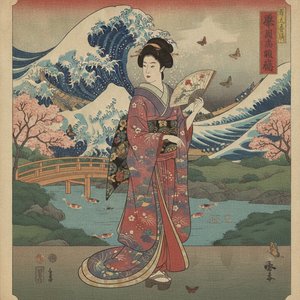
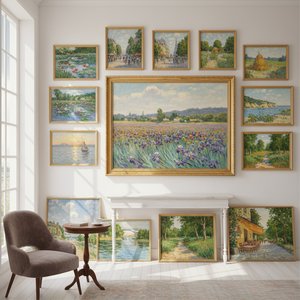
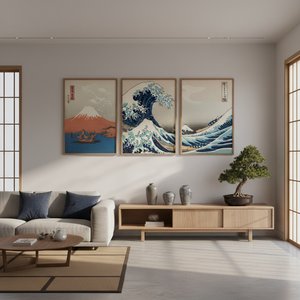
The museum’s soul is perhaps most vibrantly felt in its luminous exploration of light and color, particularly through its celebrated Neo-Impressionist and Japanese Edo period collections. There is a certain magic in wandering through galleries where the revolutionary techniques of the Pont-Aven School come to life. One can almost feel the meticulous patience of artists like Paul Gauguin and Claude Monet , whose mastery of pointillism and light transformed the canvas into a meditation on atmospheric beauty. These works do not merely represent landscapes; they capture the ephemeral essence of a moment, frozen in layers of pigment that dance under the gallery lights. This pursuit of serenity finds a beautiful counterpart in the museum’s exquisite assemblage of Edo period art. The delicate scrolls and intricate screens from Japan offer a window into a world of refined aesthetics, where masterful brushwork conveys deep cultural values of harmony and quiet contemplation, providing a sophisticated balance to the bold strokes of Western Impressionism.
A Global Panorama of Human Heritage
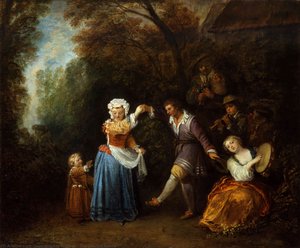
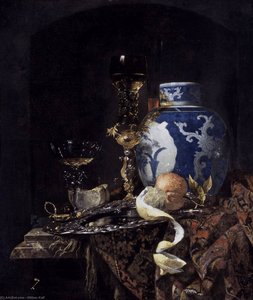
Beyond these celebrated movements, the collection expands into a vast panorama of human heritage, offering treasures that resonate with collectors and designers seeking depth and narrative. The museum’s encyclopedic reach spans continents, offering a curated journey through the diverse expressions of the human spirit. For those with an eye for exquisite craftsmanship, the Chinese ceramics collection provides endless inspiration, featuring porcelain vases where floral motifs communicate a silent language of grace and prosperity. This global breadth is matched by a deep commitment to American art, ranging from the sweeping emotional landscapes of the Romantic era to the energetic, fractured planes of Abstract Expressionism. Each piece serves as a testament to the enduring power of artistic impulse, making the museum a vital resource for anyone seeking to understand the evolution of visual storytelling.
The museum’s strength lies in its ability to connect disparate eras and geographies through a unified aesthetic experience. Visitors may find themselves moved by the rhythmic textiles and powerful sculptures of Africa, only to be met with the commanding presence of monumental bronzes from China. This diversity creates a space where history is not just studied, but felt. For the interior designer or the passionate collector, these galleries serve as a masterclass in texture, form, and the timeless application of color across different cultural epochs.
A Visionary Legacy: From 1883 to the Modern Era
The history of this institution is one of visionary growth, beginning in 1883 under the leadership of the suffragist May Wright Sewall. What started as the Art Association of Indianapolis has blossomed into a world-class cultural beacon, seamlessly blending the grandeur of the historic Lilly House with the innovative spirit of the Virginia B. Fairbanks Art & Nature Park. This unique juxtaposition—where monumental sculptures interact playfully with expansive lakes and gardens—creates an unparalleled dialogue between art and environment. It is a place where the man-made and the organic exist in a state of constant, beautiful tension.
Today, Newfields continues to shape the future of engagement through its dedication to accessibility and technological innovation. Whether through periodic free admission days that invite all socioeconomic backgrounds to partake in the beauty, or through its embrace of open-source platforms, the museum remains a steadfast guardian of culture. It ensures that the transformative power of art continues to inspire, provoke dialogue, and illuminate the human experience for generations to come, standing as a testament to the enduring importance of communal beauty and shared history.