
A Treasury of Human Legacy
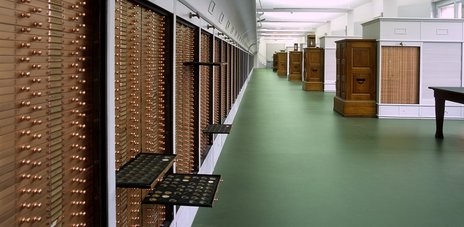
In the heart of Berlin’s storied Museum Island, where the Spree River whispers secrets of a bygone era, lies a sanctuary of miniature masterpieces known as the Münzkabinett . To step into this institution is to embark on a profound journey through the very pulse of human civilization. Unlike traditional galleries that gaze upon the grand scale of canvas and sculpture, the Münzkabinett invites a more intimate communion with history. Here, the narrative of humanity is told through the delicate medium of metal—through coins, medals, and tokens that have survived the rise and fall of empires. It is a place where the weight of gold and the luster of silver serve as tangible anchors to our collective memory, offering a tactile connection to the triumphs and tribulations of the past.
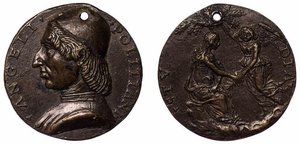
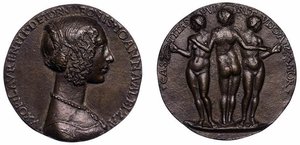
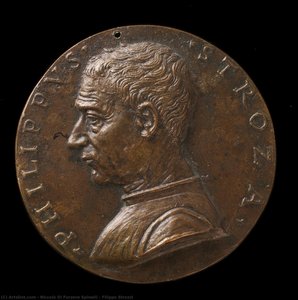
The collection itself is nothing short of breathtaking, representing one of the most significant numismatic repositories on the planet. With an expansive hoard of over 500,000 objects, the museum offers a chronological tapestry that stretches from the dawn of minting in Asia Minor during the 7th century BC to the contemporary innovations of the 21st century. Collectors and scholars alike find themselves spellbound by the sheer variety on display; one might wander from the sharp, authoritative profiles of ancient Greek currency to the intricate, symbolic splendor of Islamic art. Each coin is a tiny, struck poem, capturing the political ideologies, religious fervor, and artistic movements of its time with an enduring precision that larger artworks often struggle to match.
Architectural Grandeur and Material Culture
The architectural setting of this treasure trove adds a layer of profound grandeur to the visiting experience. Housed within the magnificent Bode Museum , the Münzkabinett resides in a structure that is itself a triumph of German Romantic idealism. Designed by Ernst von Ihne and completed at the turn of the 20th century, the building’s Baroque Revival splendor—with its soaring ceilings and opulent ornamentation—provides a majestic stage for the delicate artifacts within. As a recognized part of the UNESCO World Heritage Site, the museum's environment evokes the spirit of the Wilhelmine era, wrapping the visitor in an atmosphere of historical weight and aesthetic harmony.
What truly distinguishes the Münzkabinett is its holistic approach to the study of material culture. It transcends the boundaries of a simple coin gallery by integrating numismatic research with archaeological discovery and artistic interpretation. Visitors can explore not only the evolution of minting technology—from primitive hammering to the sophisticated hydraulic presses that shaped history—but also the broader social implications of currency. The museum’s ability to weave together the stories of dynastic ambitions, trade routes, and cultural exchanges makes it an indispensable destination for those seeking to understand the interconnectedness of our world.
The breadth of the holdings offers a rich experience for every type of enthusiast:
- Ancient Treasures: Including 102,000 coins from ancient Greece and approximately 50,000 Roman coins.
- European Heritage: A vast collection of 169,000 European coins spanning the Middle Ages to the modern era.
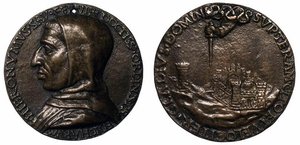
- Diverse Media: Beyond coinage, the collection features an extensive array of medals, banknotes, seals, tokens, and jetons.
- Historical Tools: Displays of historic tools from Berlin and other German mints that illustrate the evolution of craftsmanship.