
A Sanctuary of Stone and Spirit: The Soul of MARQ
Nestled within the historic Montferrand district of Clermont-Ferrand, France, the Musée d'Art Roger-Quilliot (MARQ) offers far more than a mere survey of artistic eras; it provides a profound immersion into the very heartbeat of Auvergne. Housed in the hallowed, restored walls of a seventeenth-century Ursuline convent, the museum serves as a bridge between the terrestrial and the divine. As one enters, the architectural dialogue between the ancient monastic structure and contemporary museographic design begins to unfold. The soaring ceilings and the ethereal light filtering through a central atrium—a modern masterpiece designed by engineer Peter Rice —create an atmosphere where history does not feel like a relic of the past, but a living, breathing presence.
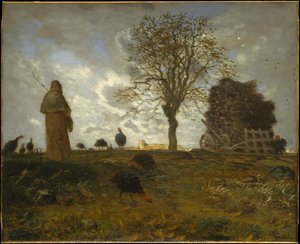
The museum’s brilliance lies in its refusal to remain anchored solely in the past; it embraces the bold, experimental spirit of the modern age with equal fervor. The transition from the nineteenth-century landscapes of Corot and Théodore Rousseau to the fractured, emotive energies of twentieth-century masters like Marie Laurencin , Bernard Buffet , and Jean Fautrier ensures that MARQ remains a vital participant in the contemporary cultural dialogue. This seamless integration of the classical and the avant-garde makes the museum a unique destination—a place where the weight of history meets the pulse of modernity.
A Chronological Tapestry of Masterpieces
To wander through MARQ is to embark on a journey through time, beginning with the solemnity of the Middle Ages. Here, the spiritual intensity of the Auvergne region is palpable in the exquisite Romanesque sculptures and the rare thirteenth-century painting known as the Virgins in Majesty . The museum’s ability to juxtapose the heavy, earthbound textures of Volvic stone—seen in Léonard Sarson’s striking Athena —with the delicate intricacies of decorative arts creates a sensory experience that is both grounding and uplifting. For collectors and historians alike, these medieval treasures offer a window into a period where art was an inseparable extension of faith and regional identity.
As the narrative progresses into the Renaissance and Baroque periods, the galleries transform into spaces of psychological depth, featuring masterful portraits such as Philippe de Champaigne’s Vincent Voiture , where every brushstroke captures the nuanced essence of the sitter. This era of storytelling reaches a crescendo in the magnificent series of twelve large decorative paintings illustrating Ariosto's Roland Furiously , a collection that demonstrates how art can elevate epic literature into a visual spectacle. For interior designers seeking inspiration, this period offers a masterclass in grandeur and the use of light, presenting a palette of textures and compositions that have defined European aesthetic excellence for generations.
The museum's diverse holdings continue to captivate through various artistic movements:
- Medieval Splendor: Rare Romanesque and Gothic art from Auvergne, including the Frise des abbess d'Ennezat and the Savaron casket .
- Classical Elegance: Masterful 17th and 18th-century portraiture and exquisite decorative objects like Clermont-Ferrand earthenware.
- Romantic Landscapes: Evocative works by Théodore Rousseau , Camille Corot , and Victor Charreton .
- Modern Expression: A powerful collection of twentieth-century figurative and expressionist paintings.