


A Symphony of History: Exploring the Museu de la Música de Barcelona
Barcelona, a city pulsating with artistic energy, holds within its vibrant heart a treasure trove for music lovers and cultural explorers alike: the Museu de la Música de Barcelona . More than just a repository of instruments, this museum is an immersive journey through sound itself—a testament to humanity’s enduring relationship with melody, rhythm, and harmony. Housed within the strikingly modern architectural embrace of L'Auditori concert hall, designed by Oriol Bohigas, the museum offers a compelling dialogue between past and present, tradition and innovation. To step inside is to leave the bustling streets behind and enter a sanctuary where the very air seems to vibrate with the echoes of centuries.
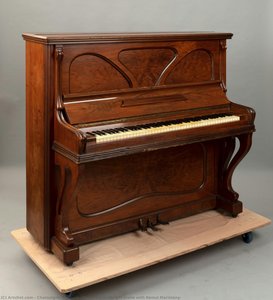
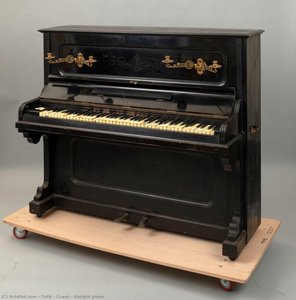
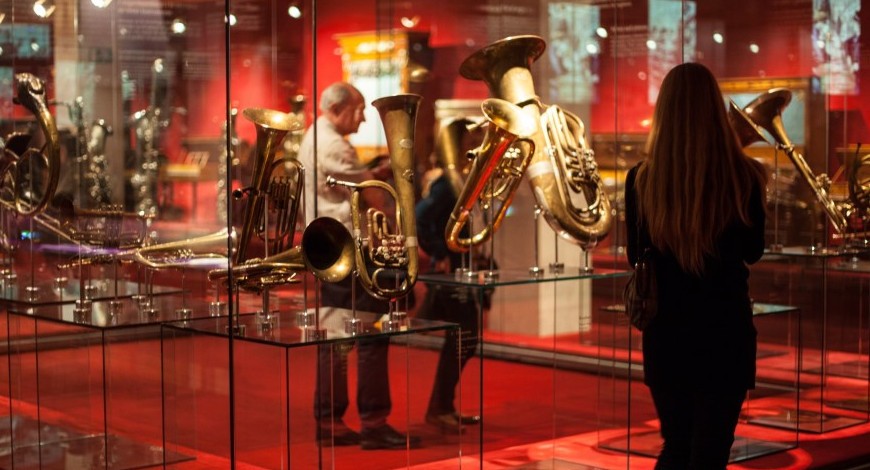
Stepping into the museum is akin to entering a time capsule filled with sonic artifacts that whisper tales of composers and performers long past. The collection boasts over 500 historical instruments on display, each serving as a tangible link to traditions spanning continents and centuries. Guitars—particularly classical guitars representing diverse eras and styles—take center stage, showcasing the instrument’s evolution from humble beginnings to its current iconic status. One can trace the lineage of stringed instruments through meticulously preserved violins, lutes, and harps, each a testament to the craftsmanship of bygone artisans. Yet, the museum's scope extends far beyond strings; keyboard instruments like the exquisite Pérez Molero organ and Zell’s harpsichord stand as monuments to musical ingenuity, while the presence of non-Western instruments, such as an Indian sarangi, broadens the narrative to highlight the universal language of music across all cultures.
A Cultural Anchor in Catalonia
The museum does not merely present a global collection; it deeply honors Catalonia’s rich musical heritage, creating a profound sense of place. Central to this celebration is the cello once owned by the legendary Catalan cellist Pau Casals , a poignant symbol of artistic excellence and national pride. To stand before this instrument—once intimately connected with such a masterful musician—is to feel a tangible link to the region’s vibrant cultural identity. Beyond Casals, the museum diligently preserves scores, documents, and other artifacts that illuminate the lives and works of Catalan composers, ensuring their contributions are remembered and celebrated for generations to come.
What truly sets the Museu de la Música de Barcelona apart is its commitment to making musical history an active, living experience rather than a passive observation. The museum serves as a dynamic learning environment through several unique features:
- Interactive Evolution: Exhibits invite visitors to engage with the evolution of design, exploring how structural changes in instruments directly impacted the development of musical styles.
- Hands-on Exploration: A dedicated interactive gallery provides a unique opportunity for hands-on exploration, where visitors can even try their hand at playing various instruments.
- Architectural Harmony: The building itself— L'Auditori —is integral to the experience. Rafael Moneo’s architectural masterpiece, with its flowing lines and harmonious integration of natural elements, provides a fitting backdrop for the treasures within.
More than just a destination, the museum is an invitation to listen, learn, and connect with the universal power of sound, acting as a cultural hub where history resonates alongside contemporary performances.