
A Sanctuary of Time: The Soul of Musée de Picardie
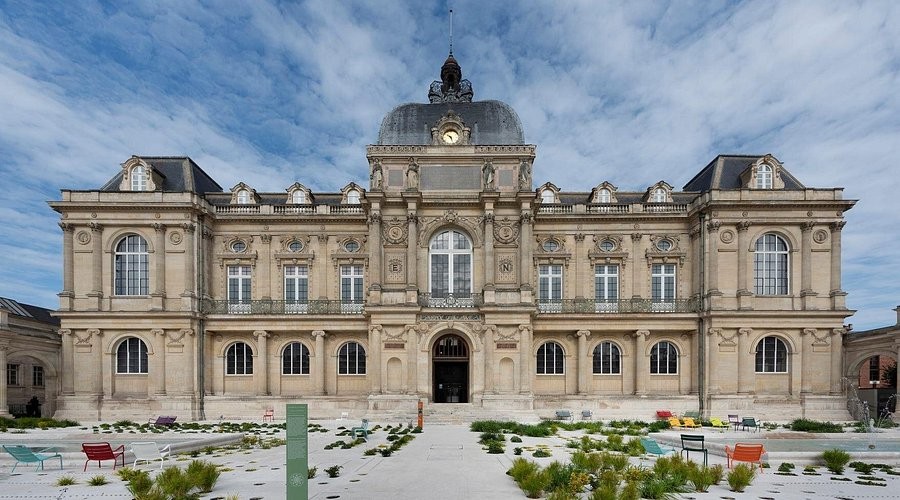
Nestled within the historic heart of Amiens, France, the Musée de Picardie stands as a profound testament to the enduring dialogue between humanity and its creative impulses. To step through its doors is to enter a realm where the boundaries of time dissolve, much like the light that dances through its grand, airy halls. The museum’s very structure, a masterpiece of the Second Empire era crafted by architects Henri Parent and Arthur-Stanislas Diet, serves as a silent narrator of France's cultural ascent. It was a pioneering achievement in architectural intent, serving as a prototype for other French regional museums as the first building constructed exclusively for the purpose of conservation and the exhibition of artworks.
The museum offers a sanctuary of light and tranquility, inviting visitors to lose themselves in the rhythmic beauty of history. With its sweeping spaces and a breathtaking rooftop garden atop the Pavillon Maignan, the institution provides an environment where architectural grandeur meets delicate nuance. For the interior designer or the dedicated aesthete, the building itself represents the ultimate standard of curated excellence, mirroring the way great art breathes life into a home through its seamless blend of permanence and change.
A Curated Journey Through the Human Spirit
The collection within these walls is not merely an assembly of objects, but a curated journey through the human spirit. For the lover of antiquity, the museum offers a hauntingly beautiful encounter with the distant past. One might find oneself standing in silent reverence before the mummified remains of the Egyptian noblewoman Setjaïmengaou , or contemplating the delicate, divine features of the Gallo-Roman God of Amiens . These artifacts act as windows into the religious and social tapestries of ancient Greece and Egypt, grounding the viewer in a shared ancestral heritage.
As one moves through the galleries, the weight of stone gives way to the ethereal grace of the Middle Ages. The collection features exquisite sculptural fragments from the Amiens Cathedral known as the Puys d’Amiens , which remind us of a time when art was an act of profound spiritual devotion, their Gothic intricacies still pulsing with the energy of the medieval world. This seamless transition from archaeological depth to painterly brilliance ensures that every corner of the museum offers a new discovery.
Mastery of Color and Symbolism
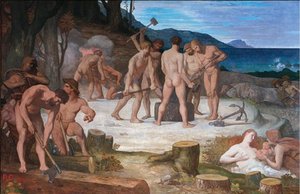
As the narrative shifts toward the modern era, the museum reveals its mastery of color and symbolism. The transition into the 17th through the early 20th centuries is marked by works that challenge the eye and stir the soul. Collectors and connoisseurs will find particular enchantment in the Symbolist masterpieces of Pierre Puvis de Chavannes . His monumental frescoes, such as Peace and War and Labor and Rest , possess a dreamlike, pastoral quality that transforms the museum's main staircase and first floor galleries.
These works do not merely depict scenes; they evoke atmospheres of stillness and contemplation, making them timeless inspirations for those who seek to surround themselves with art that speaks to the subconscious. The museum’s commitment to innovation—using light and modern exhibition practices to breathe new life into ancient stone—ensures that the artistic legacies of Picardy and the wider world remain vibrant, relevant, and deeply moving for generations to come.