
A Royal Canvas: The Soul of the Musée des Beaux-Arts
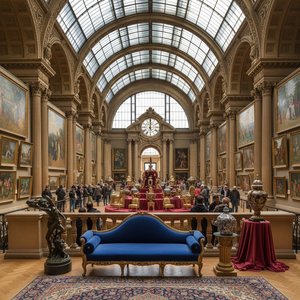
To enter the Musée des Beaux-Arts de Blois is to step through a portal where the grandeur of the French monarchy meets the intimate whispers of artistic genius. Nestled within the storied walls of the Château de Blois , the museum does not merely house art; it breathes alongside it. The architecture itself serves as the first masterpiece one encounters, a magnificent tapestry of stone and history that has evolved under the watchful eyes of kings such as Louis XIII, Louis XIV, and Louis XV. As visitors wander through the opulent halls of the Louis XII wing , the transition from royal residence to cultural sanctuary feels seamless, offering an unparalleled atmosphere where the weight of centuries lends a profound gravity to every brushstroke on display.
The museum’s setting within this historic château provides a rhythmic tension between the structural permanence of the Renaissance and the fluid beauty of the collections. For the interior designer or art enthusiast seeking inspiration, the institution offers more than just visual pleasure; it provides a masterclass in how art can define a space, transforming a mere structure into a living, breathing monument of human emotion and cultural legacy.
A Curated Dialogue Between Eras
The collection is a breathtaking assembly of French paintings that spans from the Renaissance to the nineteenth century, offering a rare encounter with the titans of European art. For the discerning collector, the galleries present a curated dialogue between different aesthetic philosophies. One might find themselves lost in the dramatic, muscular energy of Peter Paul Rubens’ Baroque mastery, only to be met by the serene, disciplined elegance of Jean-Auguste-Dominique Ingres’ Neoclassical precision. This juxtaposition invites viewers to contemplate the shifting tides of art history through a single, cohesive journey.
Beyond the canvases, the museum’s treasures extend into the tactile realm of decorative arts, where exquisite tapestries and sculptures weave a narrative of luxury and craftsmanship that once adorned the very rooms in which they now reside. The collection is further enriched by:
- Luminous works such as those by Paul Signac, which serve as a testament to the museum's commitment to color and light.
- Exquisite tapestries that reflect the opulent textile traditions of the French royal court.
- Sculptural elements that bridge the gap between the architectural grandeur of the château and the intimate scale of fine art.
A Living Monument of Provocation
What truly distinguishes this institution is its ability to bridge the gap between historical context and modern provocation. While its core remains rooted in the Old Masters, the museum has never been a stagnant reliquary. It continues to challenge contemporary perspectives through groundbreaking exhibitions that range from the vibrant, light-drenched experiments of Impressionism to the dreamlike distortions of Surrealism . This dedication to diversity ensures that the Musée des Beaux-Arts remains a vital destination for those seeking to understand both the foundations of classical beauty and the evolution of modern thought.