
A Sanctuary of Enlightenment: The Legacy of Musée des Beaux-Arts et d'Archéologie
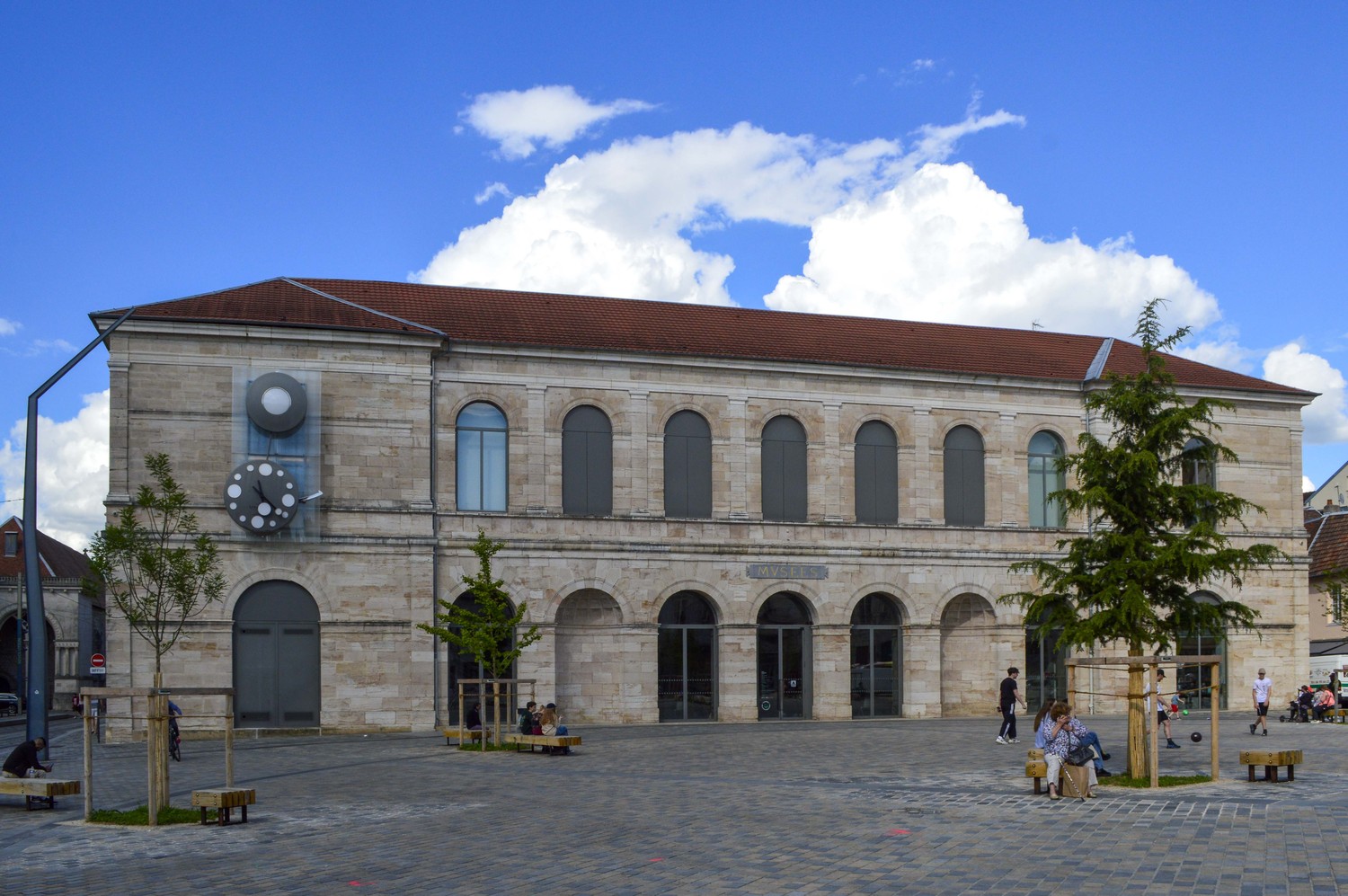
To step into Besançon’s Musée des Beaux-Arts et d'Archéologie is to enter a profound dialogue between the past and the present, a place where the shadows of history meet the luminous clarity of human creativity. As Europe’s oldest public museum, this institution was founded upon a noble, democratic ambition: to bring the splendor of art and scholarship to the hands of all. Nestled within a beautifully restored neoclassical edifice overlooking the Place Jacques Majorelle, the museum serves as more than just a repository for relics; it is a living testament to France’s enduring commitment to its artistic heritage, offering a sanctuary where every corridor whispers stories of ancient civilizations and Renaissance triumphs.
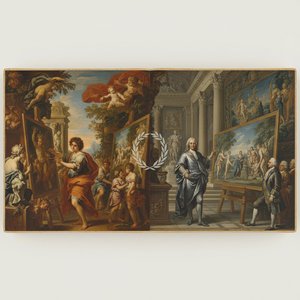
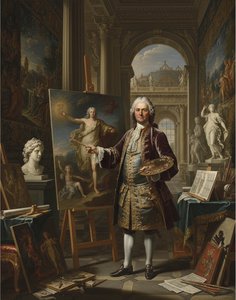
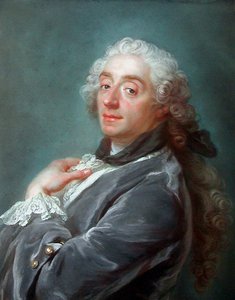
The soul of the museum resides within its remarkable assemblage of European paintings, a collection that traces the very evolution of the Western gaze across centuries. Visitors find themselves swept away by a narrative that flows seamlessly from the structured grandeur of the Renaissance to the fleeting, light-drenched ephemeral moments of Impressionism. The halls are graced by the opulent splendor of the Baroque era, where the majestic presence of works by Louis XIV and François Boucher commands the room with their regal intensity. Yet, amidst this vast sea of masterpieces, it is often the quiet, mesmerizing glow of Jean-Baptiste Corneille’s “The Triumph of Virtue” that captures the heart, its masterful composition and internal radiance acting as a spiritual anchor for the wandering observer.
A Tapestry of Antiquity and Artistic Mastery
Beyond the canvas, the museum offers an intimate encounter with the raw, visionary spirit of masters like Ingres and Delacroix, whose exquisite drawings provide a window into the meticulous technique behind their legendary canvases. This drawing cabinet is one of the most significant in France, housing over 5,500 works from European schools dating from the end of the 15th century to the middle of the 20th century. For the historian or the collector, these delicate lines offer a rare glimpse into the foundational sketches of artistic genius.
The museum's narrative extends deep into the earth through its profound archaeological treasures. The collection provides a breathtaking journey through time, where the following highlights await:
- Ancient Egypt: A fascinating collection of Egyptian artifacts, including the mummies of Seramon and Ankhpakhered, alongside various statuettes representing gods and ushabtis.
- Gallo-Roman Splendor: Remarkable mosaics, such as the mosaïque du Neptune and the mosaïque de la Méduse, which illuminate the ancient roots of the region.
- Prehistoric and Medieval Relics: A rich array of objects from the Neolithic, Bronze, and Iron Ages, complemented by medieval statues and stone sarcophagi.
Architectural Grandeur and Modern Vision
The architectural shell of the museum is itself a captivating marvel, reflecting the historical evolution and prestige of Besançon. Designed by Henri Prost and the legendary Eugène Viollet-le-Duc—the architect whose name is forever etched in history through his restoration of Notre Dame Cathedral—the building is a triumph of the Beaux Arts aesthetic. Its symmetrical facades, adorned with intricate ornamentation and dignified sculptures, command respect from the street, while the interior grand staircase serves as a dramatic centerpiece that transports visitors back to an era of unparalleled elegance.
What truly distinguishes this institution is its ability to blend 19th-century architecture with modern design elements. This unique combination creates a visually stunning backdrop where the ancient and the contemporary exist in harmony. For the interior designer searching for the essence of classical beauty or the art enthusiast seeking an unforgettable journey, the Musée des Beaux-Arts et d'Archéologie offers a space where meticulous conservation ensures that these treasures endure, fostering a living dialogue between the triumphs of the past and the curiosity of the modern world.