
A Tapestry of Thread and Oil: The Soul of Alençon
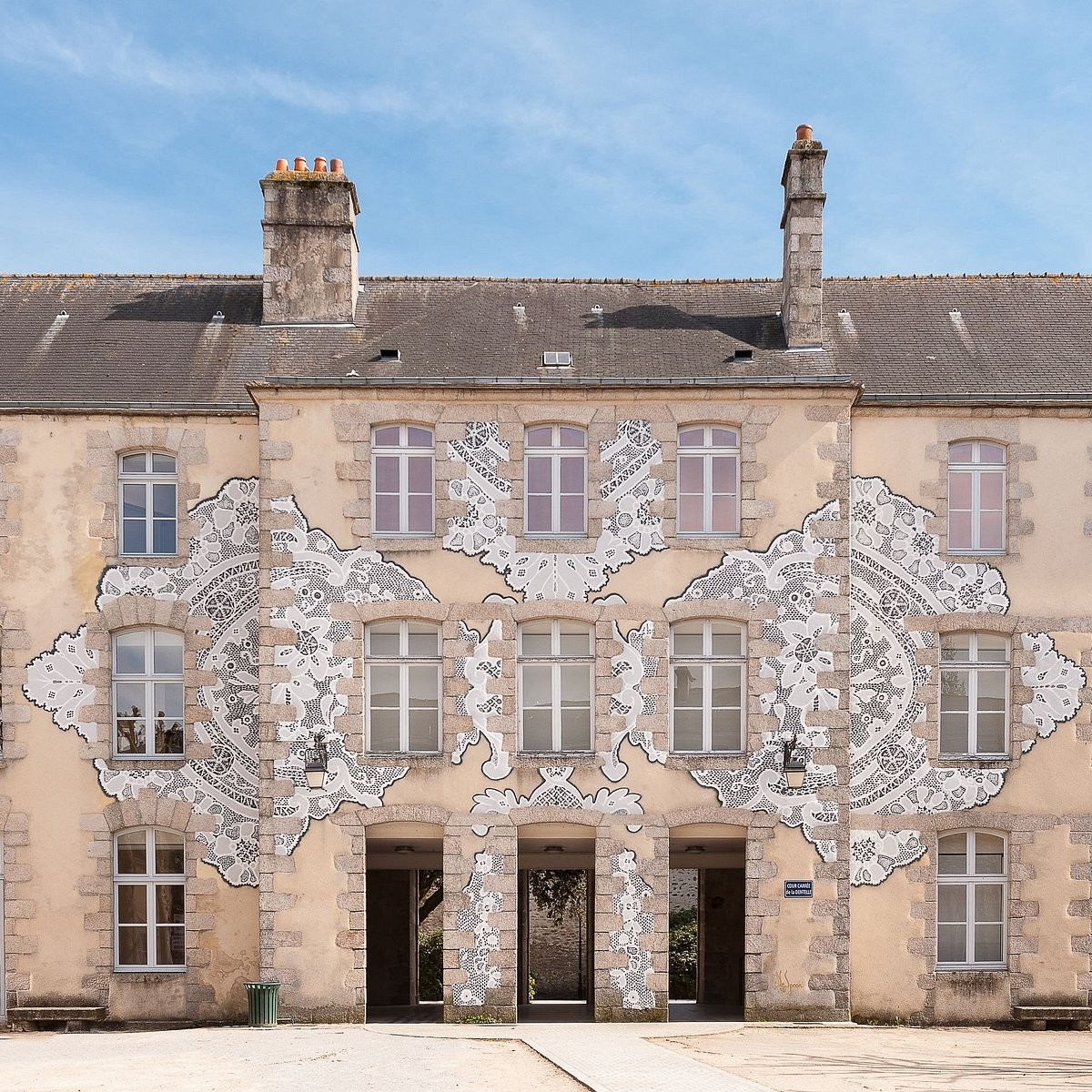
In the heart of Normandy, where the quiet elegance of the French countryside meets a profound legacy of craftsmanship, lies the Musée des Beaux-Arts et de la Dentelle d'Alençon . This is not merely a repository for static objects, but a living dialogue between two seemingly disparate worlds: the grand, sweeping narratives of European oil painting and the microscopic, breathtaking precision of needle lace. Housed within the repurposed, hallowed walls of a former Jesuit college, the museum offers an immersive journey through time, inviting the observer to witness how the dramatic tension of the Baroque era finds its delicate echo in the intricate loops of "the Queen of lace."
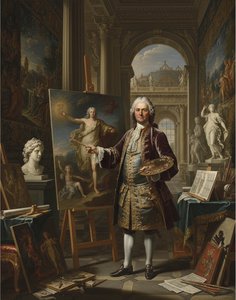
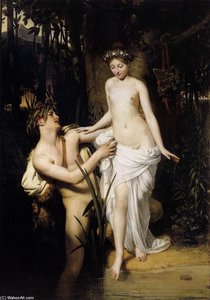
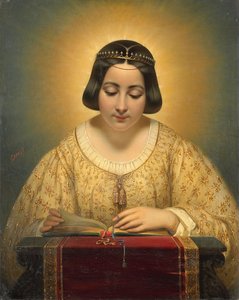
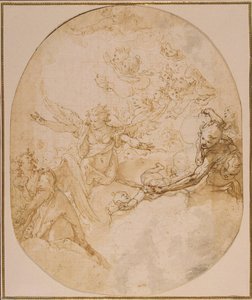
To walk through these galleries is to experience a curated harmony of texture and light. The museum’s collection of fine arts serves as a window into the European soul, featuring an impressive assemblage of French and Italian masterpieces spanning from the 17th to the 20th centuries. One cannot help but be moved by the evocative power of Federico Zuccaro , whose depiction of St. Mennas commands the room with its masterful use of chiaroscuro, casting deep shadows that pull the viewer into a moment of divine fervor. This painterly drama is balanced by the intellectual rigor of artists like Charles Paul Landon , whose precise portraiture and influential art criticism helped shape the very foundations of French aesthetic thought. For the collector or the lover of classical beauty, these works offer a profound sense of historical continuity and artistic triumph.
Yet, the true heartbeat of the museum lies in its unparalleled devotion to Point d’Alençon . This exquisite needle lace, recognized by UNESCO as an Intangible Cultural Heritage of Humanity, represents a pinnacle of human patience and technical mastery. The museum meticulously chronicles the evolution of this craft, which flourished under the royal patronage of Louis XIV. As visitors wander through the displays, they encounter the delicate webs of thread that were once symbols of supreme prestige and royal splendor. The history of Alençon lace is a story of resilience; it is a narrative of artisans who, through centuries of political and social upheaval, preserved a technique so refined that it remains unrivaled in the world. This intersection of textile art and fine painting creates a unique sensory experience, where the heavy impasto of a canvas meets the ethereal lightness of a lace veil.
The architecture of the museum itself contributes to this atmosphere of contemplative grandeur. The former Jesuit college, with its Belle Époque elegance, provides a structural rhythm that complements the curated exhibits. The space is thoughtfully designed to illuminate both the broad strokes of the masters and the minute details of the lace-makers' needles, fostering an environment where art and craft are seen as inseparable. Through seasonal thematic exhibitions and engaging workshops, the museum continues to bridge the gap between historical preservation and living tradition. It remains a sanctuary for anyone—be they interior designers seeking inspiration in classical motifs or historians tracing the threads of French identity—who finds beauty in the delicate balance between strength and fragility.