
A Coastal Sanctuary of Light and Impressionism
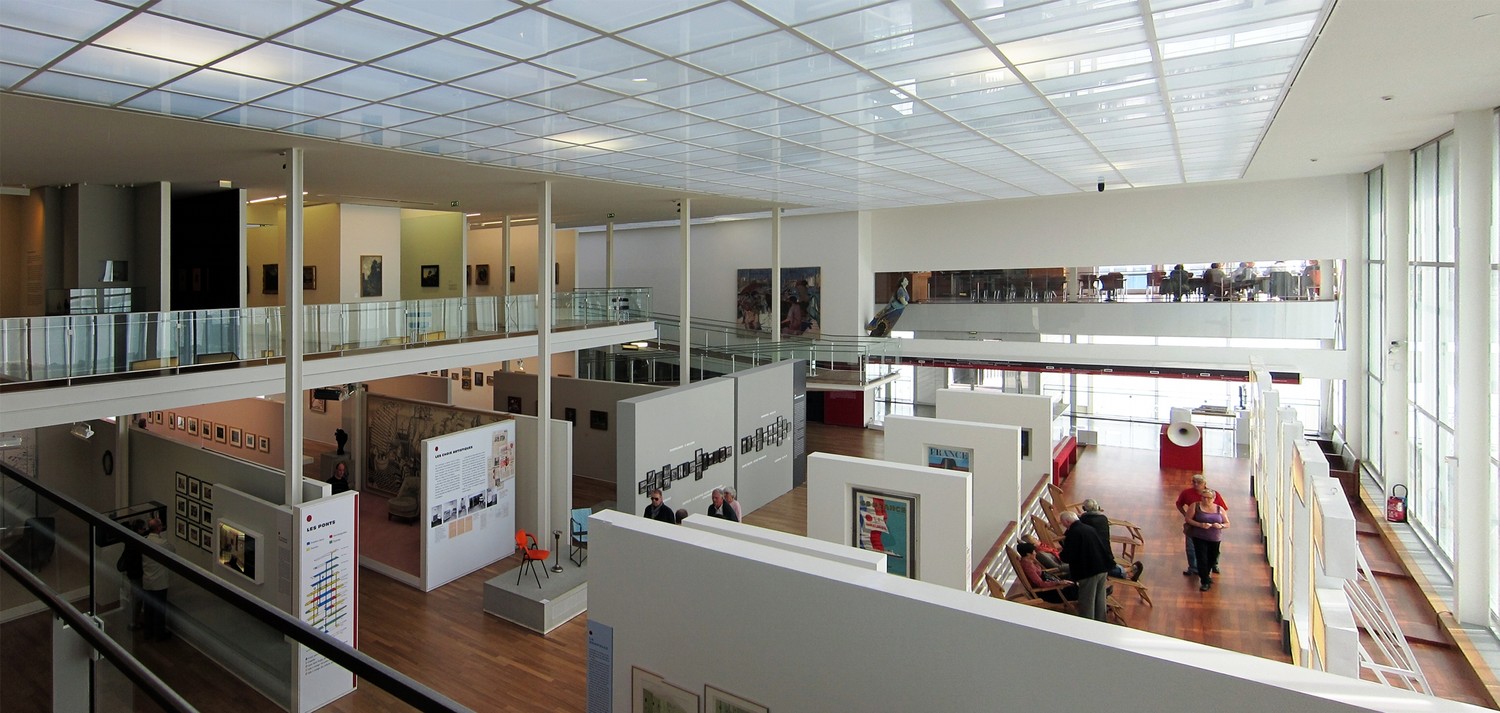
Nestled within the picturesque port city of Le Havre, France, the Musée Malraux stands as a profound testament to artistic revival and architectural innovation. Emerging from the shadows of World War II, this institution is far more than a mere repository for canvases; it is an immersive journey through centuries of human expression, framed against the breathtaking, salt-kissed backdrop of the Normandy coastline. To walk through its halls is to witness a dialogue between the fleeting light of the Atlantic and the enduring spirit of the masters who sought to capture it. The museum serves as a luminous beacon where the maritime spirit of Normandy meets the horizon, offering a rare sanctuary where history, architecture, and nature converge in a seamless, luminous embrace.
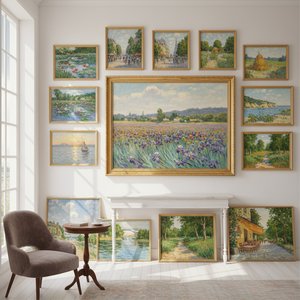
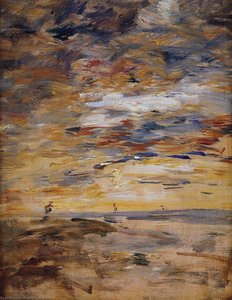
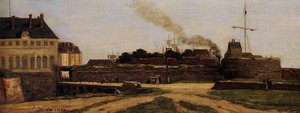
The heart of the museum beats most vibrantly within its unparalleled collection of Impressionist masterpieces, serving as a true pilgrimage site for devotees of Claude Monet . The galleries offer an intimate encounter with the ethereal beauty of the Havre harbor at dawn, where the works of Eugène Boudin capture the shifting maritime atmosphere with breathtaking precision. One cannot help but feel the pulse of Parisian life through the vibrant, rhythmic brushstrokes of Pierre-Auguste Renoir or find a quiet, contemplative peace in the meticulous observations of rural landscapes. These treasures are further enriched by the Olivier Senn Collection , an astounding assemblage that provides an invaluable window into the stylistic evolaniations of the late nineteenth and early twentieth centuries.
From Impressionist Light to Modernist Boldness
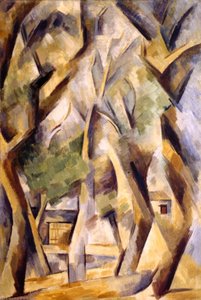
As one moves beyond the soft light of Impressionism, the museum’s narrative expands into the bold, revolutionary territories of Modern Art. Here, the canvas becomes a site of experimentation where artists like Henri Matisse , Fernand Léger , and Zsuzsi Staël wrestled with themes of abstraction and the complexities of urban existence. This transition from the observational to the conceptual reflects the very anxieties and aspirations of a changing era. The museum masterfully weaves these disparate movements together through its maritime-themed exhibitions, reminding every visitor that the sea—the very lifeblood of Le Havre—has always been a primary muse for those exploring the boundaries of form, color, and light.
The architectural experience of the Musée Malraux is as much a part of the art as the paintings themselves. Conceived by Atelier LWD , the building is a triumph of modern design, harmoniously blending with its marine environment through the use of expansive glass panels and translucent materials. This deliberate architectural choice maximizes natural light, creating an atmosphere of profound serenity that invites deep contemplation. The soaring glass façade offers panoramic views of the bustling harbor, blurring the lines between the curated interior and the living landscape outside. For the art lover, the collector, or the designer seeking inspiration, the museum provides a breathtaking stage where the industrial energy of the port meets the delicate nuances of fine art.