

A Venetian Legacy Preserved within the Walls of San Francesco
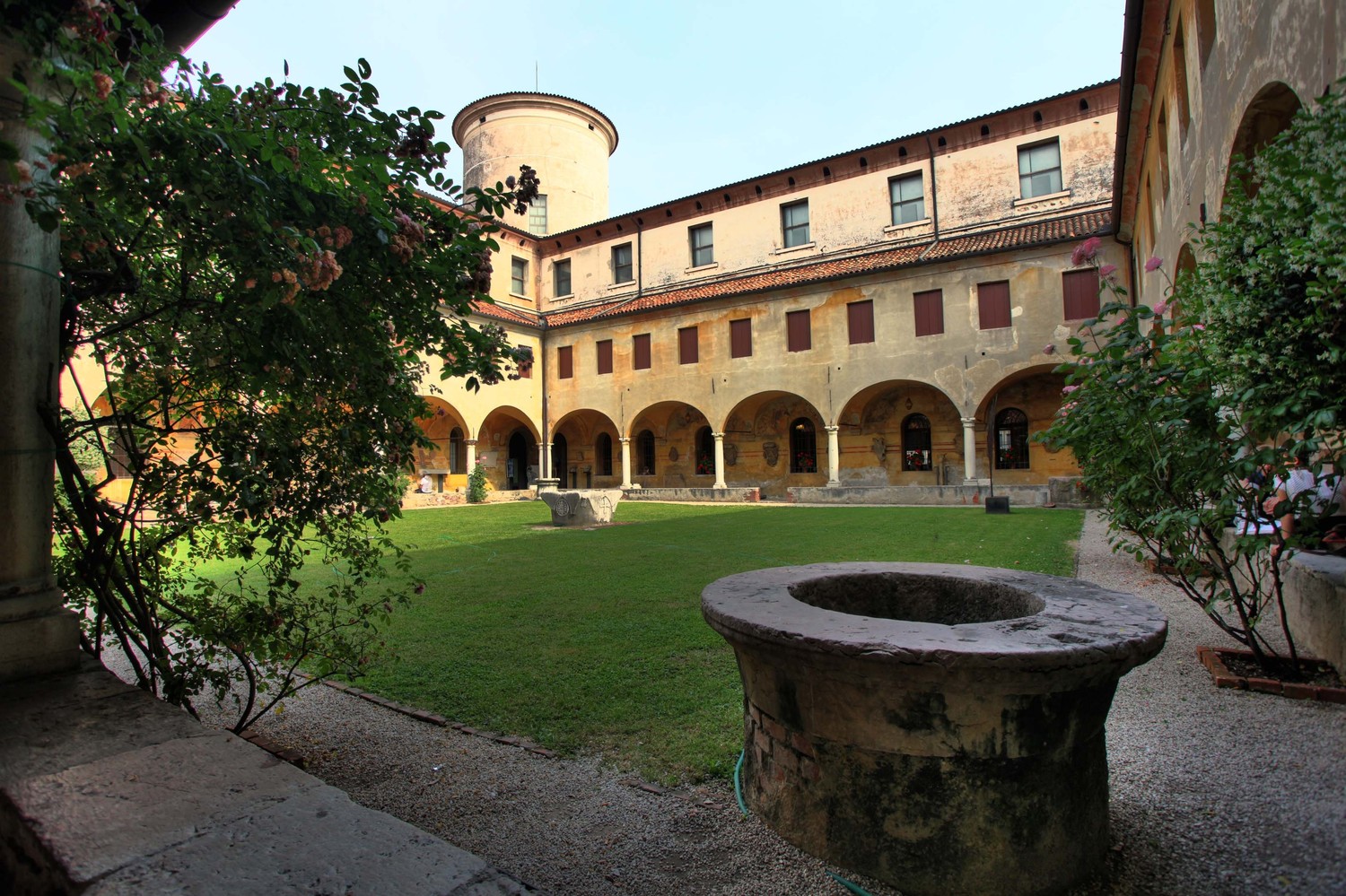
Nestled within the serene and hallowed walls of a former Franciscan convent in Bassano del Grappa, the Museo Civico stands as much more than a mere repository of art; it is a tangible embodiment of the Venetian spirit and a profound chronicle of regional history. To enter this museum is to step back into a time when the Monastery of San Francesco served as a vital center of monastic life, a feeling reinforced by the tranquil cloister that provides a breathtaking, contemplative backdrop for the treasures within. The architecture itself tells a story of endurance, where the 13th-century convent structure offers an atmosphere of timeless sophistication, inviting visitors to wander through centuries of creative achievement and historical narrative.
The museum’s identity is deeply intertwined with its mission to showcase artworks once held by suppressed religious institutions, a purpose that has allowed it to blossom into a cornerstone of the Veneto cultural landscape. For the discerning collector or interior designer, the museum offers a rare glimpse into the creative dynamism of the Renaissance and beyond, weaving together the antiquity of the Mediterranean with the refined elegance of later eras.
The Mastery of Bassano and the Sculptural Legacy
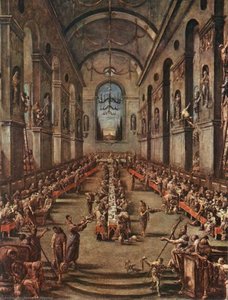
The heart of the collection beats most vibrantly through the works of Jacopo Bassano and his prolific studio. As an unparalleled sanctuary for the master of Bassano, the museum allows enthusiasts to immerse themselves in a style defined by luminous color palettes, masterful illusionism, and a profound connection to the Venetian tradition. These paintings do not merely depict scenes; they breathe with life, often treating biblical themes through the lens of rural genre scenes, where peasants, animals, and the rugged agrarian landscape are rendered with breathtaking acuity. This interplay of light and shadow provides an evocative experience that remains deeply influential.
Beyond the mastery of the Bassano lineage, the museum offers a rich tapestry of human history through its diverse holdings:
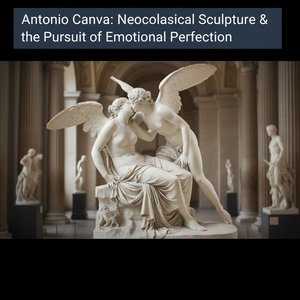
- The Sezione Canoviana: An intimate encounter with the legacy of Antonio Canova , Italy’s most celebrated neoclassical sculptor, presenting a delicate assemblage of drawings, sketches, and monochrome sculptures that reveal the intellectual rigor behind his groundbreaking forms.
- Archaeological Treasures: Significant discoveries, including fragments of pottery, mosaics, and Greco-Roman inscriptions, which illuminate Italy's ancient past and provide a scholarly depth to the collection.
A Continuous Dialogue Between Past and Present
What truly distinguishes Museo Civico is its multifaceted character and its commitment to the evolution of artistic expression. It is a place where history does not remain static; through regular exhibitions that spotlight influential photographers like Robert Capa alongside contemporary artists, the museum fosters a continuous dialogue between past and present sensibilities. This ability to bridge the gap between the classical and the contemporary makes it a unique destination for those seeking to be captivated by the enduring beauty of the human spirit.